
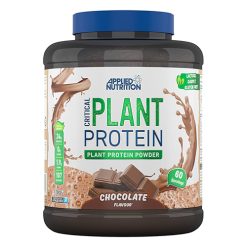
AED 239,00
This product has multiple variants. The options may be chosen on the product page
Plant Supplements – Benefits, Usage, and Examples
What are plant supplements?
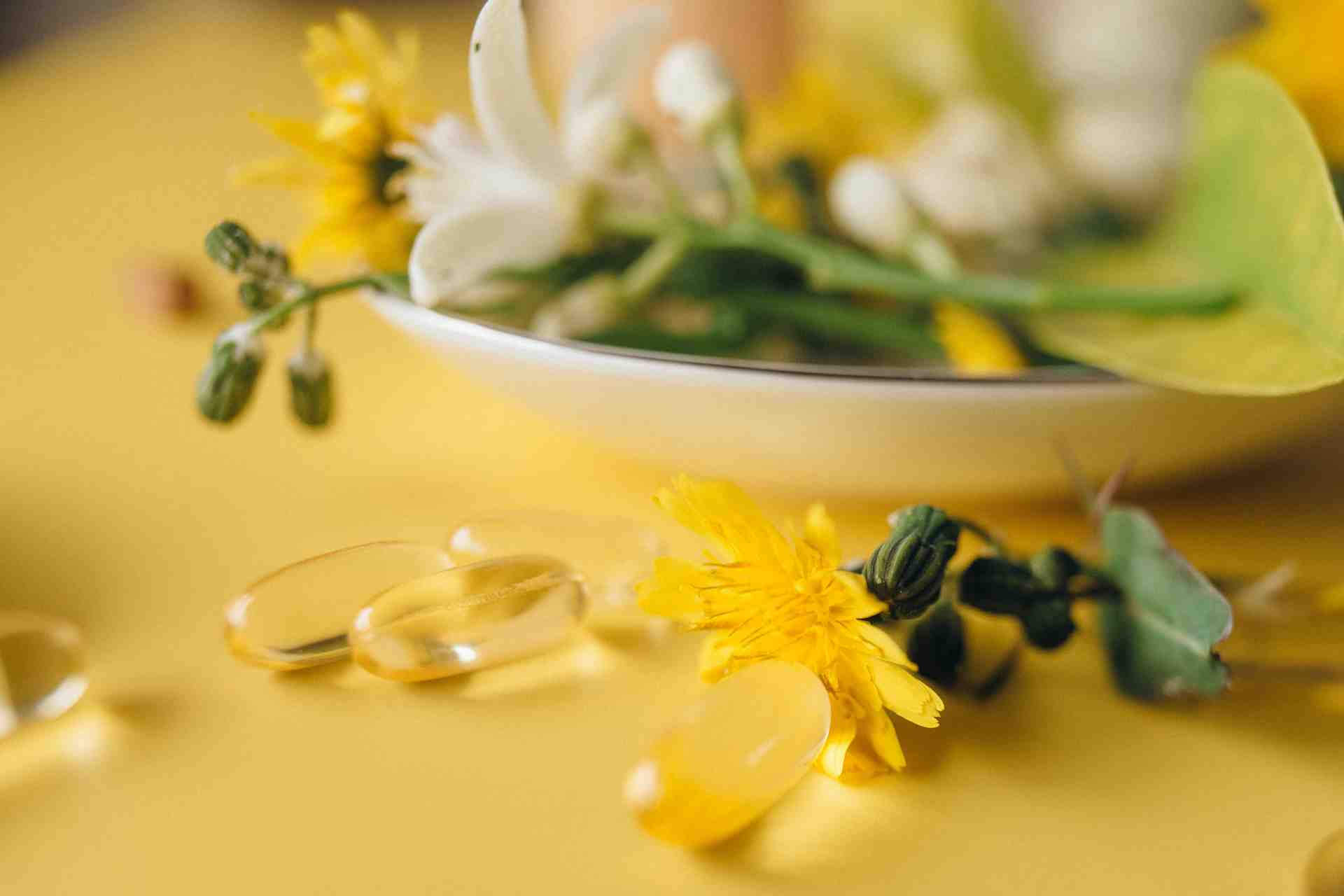
Plant supplements are dietary products made entirely or primarily from plant sources such as herbs, seeds, roots, leaves, fruits, or plant-based extracts. They come in various forms like capsules, powders, tablets, teas, or liquid drops.
Common examples include:
-
Turmeric supplements for anti-inflammatory benefits
-
Ashwagandha for stress relief and better sleep
-
Green tea extract for metabolism support
-
Plant-based protein powders like pea or hemp protein
These supplements are widely used by people who prefer natural, vegan, or allergen-free health options.
Are plant-based supplements good?
Yes – when sourced and used correctly, plant-based supplements can offer many health benefits:
-
Rich in antioxidants and phytonutrients
-
Generally easier to digest for people with dairy or gluten intolerance
-
Suitable for vegan and vegetarian diets
-
Lower risk of synthetic chemical additives
However, their effectiveness depends on quality, dosage, and your individual needs. Always choose supplements from trusted brands with third-party testing to ensure purity and safety.
How to use plant supplements?
-
Follow the product label instructions – Dosage and timing vary depending on the supplement.
-
Stay consistent – Many plant supplements require weeks of regular use to deliver noticeable results.
-
Combine with a balanced diet – Supplements should complement, not replace, healthy eating.
-
Consult a healthcare professional – Especially if you are pregnant, nursing, or taking medication.
Conclusion
Plant supplements provide a natural way to boost health, fill nutrient gaps, and improve overall wellness—especially for those following plant-based diets. Selecting high-quality products and using them correctly is key to achieving the best results.