Category Archives: Women

Steroids: A Comprehensive Guide for Athletes and Bodybuilding Enthusiasts

what-is-Steroids

What is Steroids and Everything You Need to Know Before Starting and After Finishing Their Usewhat-is-Steroids


what is Steroids! Today, steroid use has become very widespread and popular among athletes, and today’s magazine is for a precise understanding of this substance. What are steroids and should we abstain from steroid use or not?

In this magazine, what topics do we address:

  • What are steroids
  • Natural steroids in the human body
  • What are the main types of steroids
  • What do steroids do in the body
  • Steroids and bodybuilding
  • Side effects of anabolic steroids
  • Execution and technical points for a steroid cycle
  • What is a hormonal cleanup cycle
  • What does a steroid cleanup cycle look like?

What is Steroids?

Steroids They are actually a type of lipid (fat) that are naturally found in the human body and other animals and plants. These compounds play vital and diverse roles in our body, from regulating metabolism and inflammatory processes to controlling water and salt balance and the development of sexual characteristics. However, when the word “steroid” is brought up, the meaning is often Anabolic-Androgenic Steroids (Anabolic-Androgenic Steroids – AAS), which are artificially made and are abused to increase muscle mass and improve athletic performance.

men

So, let’s look more closely at what categories steroids fall into:

Natural Steroids in the Human Body

Steroids play a vital role in the body and are divided into a few main groups:

Sex Hormones (Sex Steroids) :This group is responsible for the growth of sexual characteristics, fertility, and muscle structure.

  • Androgens: such as Testosterone (in men)
  • Estrogens: such as Estradiol (in women)
  • Progesterone: for pregnancy and the menstrual cycle

Adrenal Gland Hormones: These hormones play a role in regulating blood pressure, metabolism, and response to stress:

  • Glucocorticoids: Cortisol → controls blood sugar and is anti-inflammatory
  • Mineralocorticoids: Aldosterone → sodium and potassium balance

Other Steroids:

  • Vitamin D: a type of modified steroid
  • Bile acids: for fat digestion

What is the Main Types of Steroids?
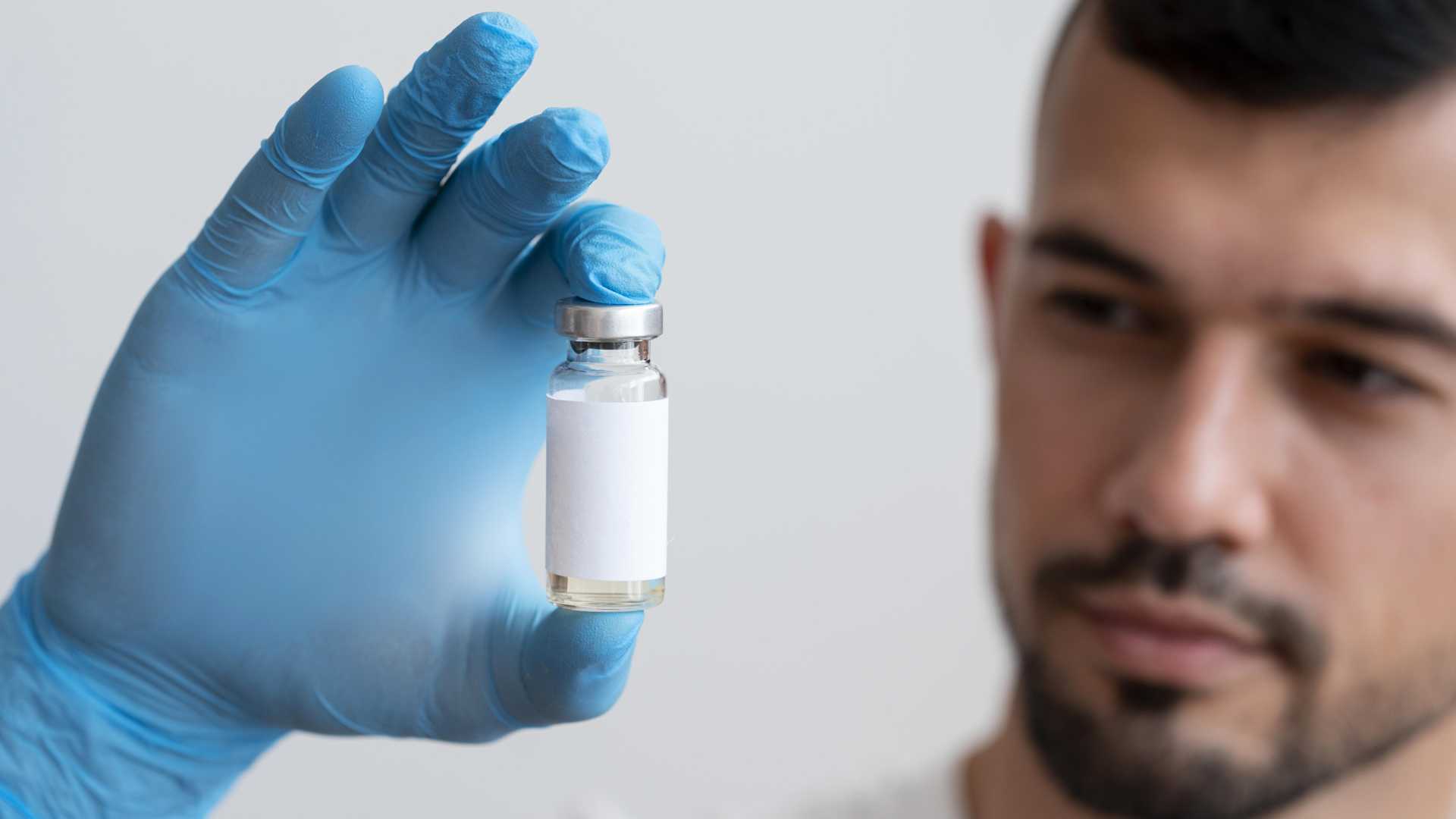
Generally, two main categories of steroids are discussed in medicine and also among athletes:

Corticosteroids: This category of steroids has a function similar to the hormone cortisol, which is produced by the adrenal glands. Corticosteroids have very strong anti-inflammatory properties and are prescribed for the treatment of diseases such as asthma, eczema, rheumatoid arthritis, severe allergies, and autoimmune diseases. These drugs are available in the form of tablets, injections, sprays, and topical creams. Corticosteroids like:

  • Hydrocortisone
  • Hydrocortisone

Anabolic-Androgenic Steroids (AAS): These are synthetic versions of the male sex hormone, testosterone. The “anabolic” part means muscle-building and the “androgenic” part refers to masculine features (such as a deep voice and facial hair growth). This type of steroid has limited medical uses (for example, in the treatment of delayed puberty or muscle wasting from diseases like AIDS) but unfortunately is widely consumed illegally by some athletes to increase muscle strength and mass. Anabolic-Androgenics like:

  • Testosterone Enanthate
  • Testosterone Cypionate
  • Sustanon 250

Now, if I want to briefly say what steroids do in the body, I should refer to the continuation of the article:

What Do Steroids Do in the Body?

  • Regulating the metabolism of fat, protein, and sugar
  • Controlling the immune system
  • Developing sexual characteristics
  • Increasing muscle strength (in case of unnatural use)
  • Regulating water and electrolytes

Steroids and Bodybuilding
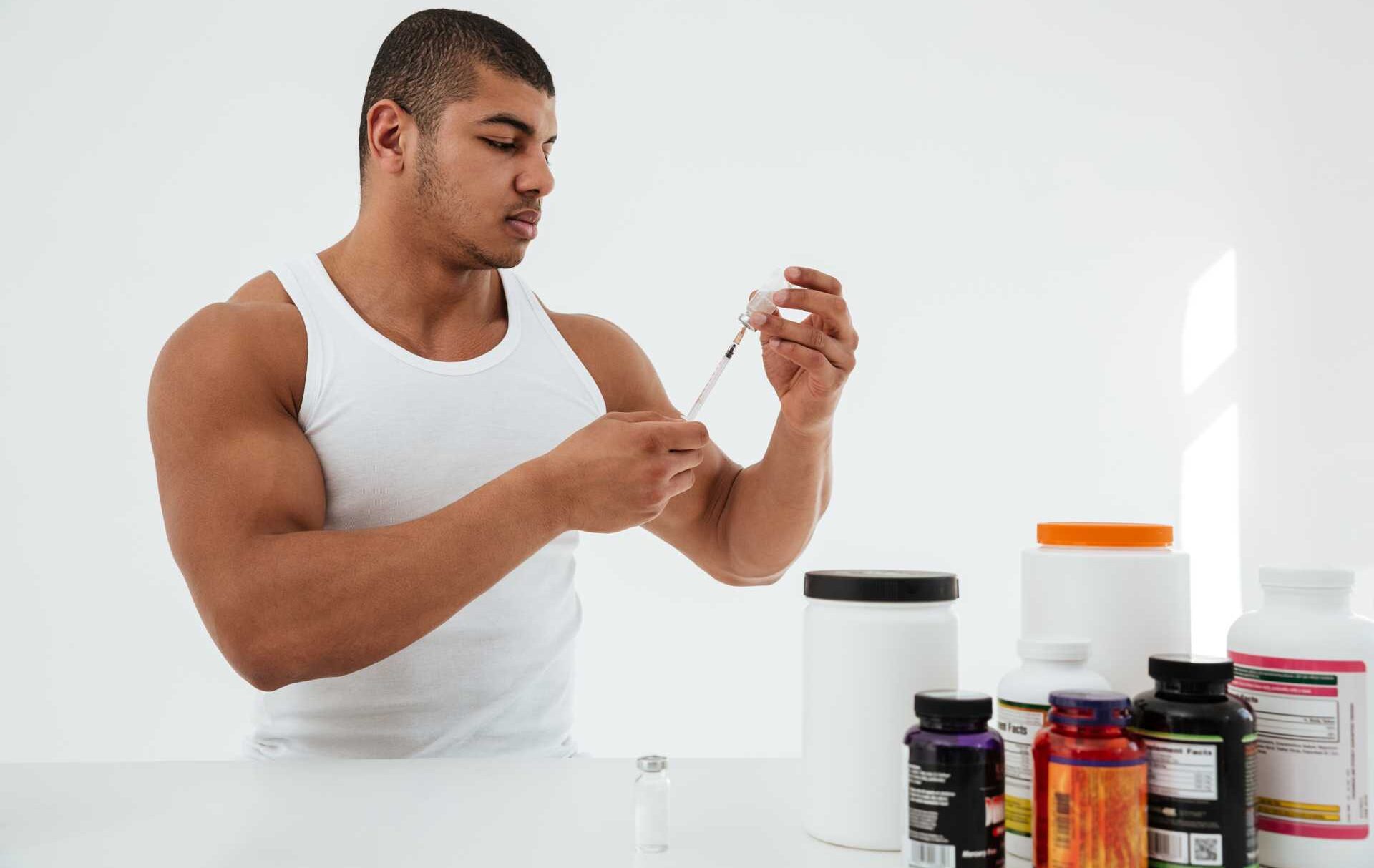
Steroid-and-Bodybuilding

We have reached the point where this substance is popular and there is a lot of discussion about it. The first question that comes to mind with steroids among bodybuilders is why do bodybuilders use steroids? I must say that Anabolic steroids are used in sports to increase muscle mass and strength. The mechanism of action:

  • Increasing protein synthesis in muscles
  • Decreasing protein breakdown
  • Positive nitrogen retention

Result: Rapid muscle growth, increased strength, but with severe side effects

What Are the Side Effects of Anabolic Steroids? (Illegal use)

  • Liver problems (Hepatotoxic)
  • Increased LDL, decreased HDL: risk of heart attack
  • High blood pressure
  • Infertility: due to decreased LH and FSH
  • Testicular atrophy in men
  • Mood swings, aggression
  • Acne, hair loss
  • In women: voice deepening, unwanted hair growth

Execution and Technical Points for a Steroid Cycle

Use should be done in a cycle with a set dose, duration, and rest period, under the supervision of a coach and a doctor. Before starting the cycle, the body must be healthy and ready; exercises before, during, and after the cycle must be planned separately. During use, an increase in the intake of protein, micronutrients, and supportive supplements is of special importance. After the end of the cycle, hormonal cleanup (PCT) is necessary so that the body returns to its natural production of testosterone.

What Is a Hormonal Cleanup Cycle?

Imagine that you have finished your steroid cycle and want to stop using steroids. Is doing this by just not using it anymore correct? No. The hormonal cleanup cycle, or Post Cycle Therapy (PCT), is one of the most important stages after using anabolic steroids. This cycle is designed to return the body’s natural hormone levels to their state before steroid use.

Why is a cleanup cycle necessary? If a cleanup is not done after a steroid cycle:

❌ The person will suffer from testosterone deficiency

❌ Problems such as depression, decreased libido, muscle wasting, rapid fat gain, and infertility will arise

What is the goal of PCT?

  • To stimulate the natural production of testosterone again
  • To prevent the loss of muscle and strength
  • To balance the levels of estrogen and progesterone
  • To protect mental and physical health

What Does a Steroid Cleanup Cycle Look Like?
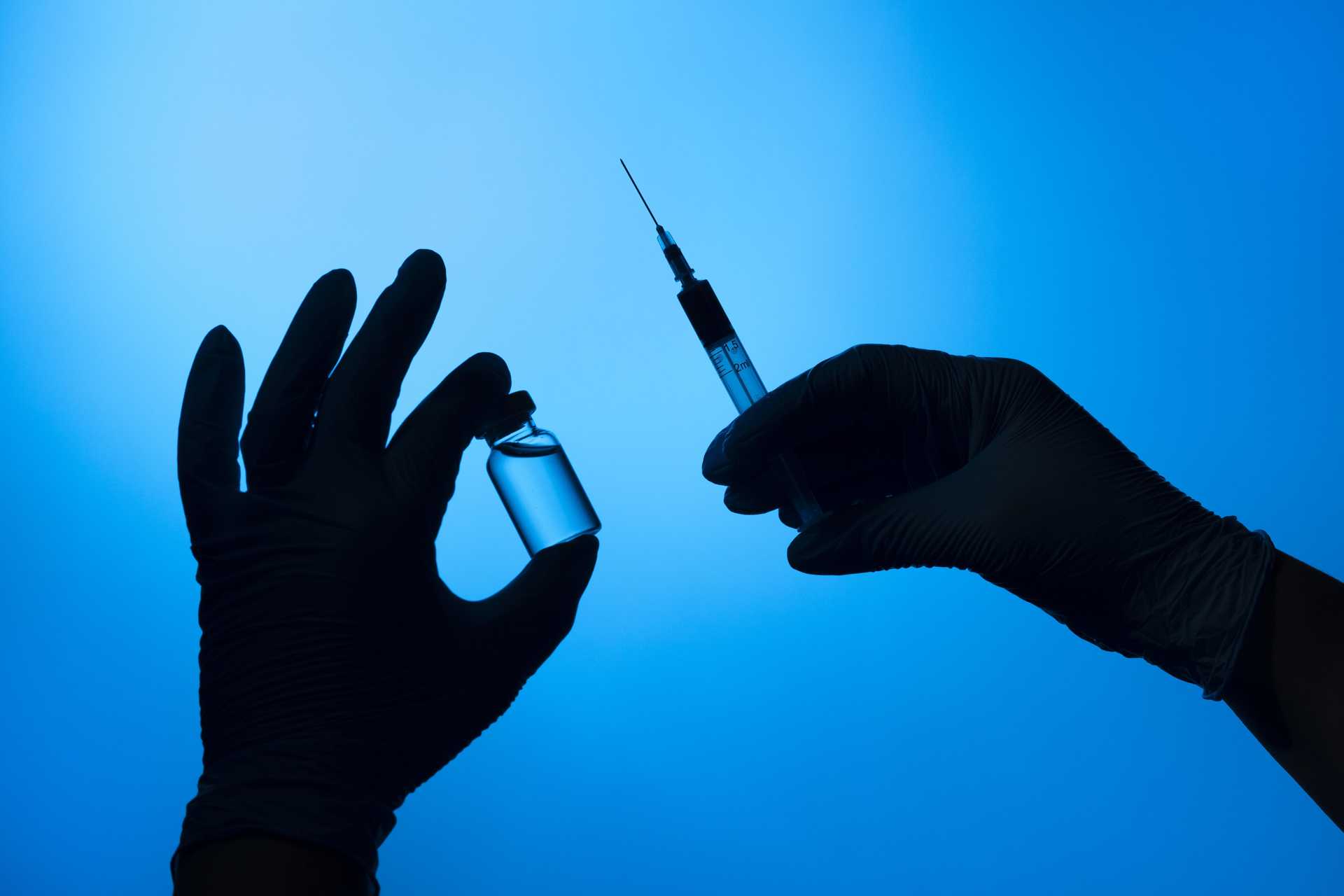
What Does a Steroid Cleanup-Cycle-Look-Like?

This cycle lasts between 4 and 6 weeks depending on the dosage used. The main goal of this cycle is to restore the body’s natural hormonal balance and maintain the muscle gains achieved during the steroid cycle. A typical cleanup cycle usually includes the use of drugs that help restore hormonal balance. The two main drugs used in this cycle are:

  • Tamoxifen (Nolvadex): This drug is a Selective Estrogen Receptor Modulator (SERM). Nolvadex helps prevent gynecomastia by blocking estrogen receptors in specific tissues (such as breast tissue). It also helps increase natural testosterone production by stimulating the secretion of LH and FSH hormones from the pituitary gland.
  • Clomiphene Citrate (Clomid): Clomid is also a SERM and has a similar mechanism to Nolvadex. This drug also helps restore testosterone production by stimulating the secretion of LH and FSH hormones.

Example of a PCT protocol (hypothetical example):

  • Week 1 and 2: Nolvadex (40 mg per day) and Clomid (100 mg per day)
  • Week 3 and 4: Nolvadex (20 mg per day) and Clomid (50 mg per day)
  • Week 5 and 6 (optional): Nolvadex (10 mg per day)

You must take this cycle seriously from the beginning to the end under the supervision and consultation of a doctor.

Conclusion

As we reviewed in this article, steroids are natural and vital compounds in the body that play diverse roles from regulating metabolism and sexual characteristics to controlling inflammation. However, a distinction must be made between their natural and medicinal types. Corticosteroids, which have strong anti-inflammatory properties, are used to treat diseases such as asthma and arthritis. In contrast, Anabolic-Androgenic Steroids (AAS), which are synthetic versions of testosterone, are mainly abused in the world of bodybuilding and sports to rapidly increase muscle mass and strength. The use of AAS in sports, despite the rapid apparent results, is associated with serious and dangerous side effects, including liver damage, heart problems, infertility, and mood changes. For this reason, the consumption of these compounds without medical supervision and adherence to precise protocols is extremely dangerous. Also, to minimize damage and maintain the health of the body, especially after the end of the use cycle, it is completely essential to perform a hormonal cleanup cycle (PCT) under the supervision of a doctor. Finally, a correct understanding of the difference between types of steroids and the consequences of their illegal use can help athletes make informed decisions and not sacrifice their health for short-term and unpredictable results.for mor in formation chack protein for life


Are Vitamins and Supplements Necessary During Pregnancy?

Are-vitamins-and-supplements-during-pregnancy-harmful-or-beneficial

Are vitamins and supplements during pregnancy harmful or beneficial?

Taking supplements during pregnancy is, in most cases, considered a necessary part of medical care and is usually recommended by obstetricians. They play a vital role in the growth and health of the fetus and help prevent anemia in the mother. We will go over these aspects in the following.

In this article, we will cover:

  • Are protein supplements safe during pregnancy?

  • Which supplements should not be taken during pregnancy?

  • Which supplements should be taken during pregnancy?

  • Should pregnancy supplements be continued during breastfeeding?

  • What is the best diet plan for pregnant and breastfeeding mothers?

Are-protein-supplements-safe-during-pregnancy?


Are protein supplements safe during pregnancy?

The best way to get protein is through natural foods like meat, chicken, fish, eggs, dairy, nuts, and legumes. We will later go over a diet that is suitable for both mother and fetus, but if the body’s needs are not met through food,
In short, consuming protein powders during pregnancy is not necessarily dangerous, but should be done with caution and under the supervision of a doctor to avoid any risks to the mother and baby. We’ll go into more detail on this:

Protein: A Vital Nutrient During Pregnancy

Protein is essential for the growth and development of the fetus, especially for the formation of critical tissues such as the brain, skin, and muscles. It also helps the mother’s body adapt, including the growth of breast and uterine tissue.

Why should protein powder consumption be approached with caution?

Are-protein-supplements-safe-during-pregnancy

In general, protein and protein consumption are beneficial and essential for the body, but the main concern lies in the additives and extra compounds, such as:

  • Artificial sweeteners: Some sweeteners like saccharin can cross the placenta and may be harmful to the fetus.

  • Unknown chemicals and fillers: Many supplements lack accurate labeling and may contain ingredients not approved for use during pregnancy.

  • Stimulants: Some protein powders contain stimulants like caffeine, which should be limited during pregnancy.

  • Heavy metals: In some cases, supplements may contain trace amounts of heavy metals due to the manufacturing process, which can be harmful to the fetus.

Conclusion

Protein powders can be a suitable option in situations where the mother cannot meet her protein needs through diet (such as in cases of severe nausea and vomiting). However,
To minimize risks related to protein supplement intake for both mother and fetus, it is recommended to follow these guidelines: prioritize organic and healthy protein-rich foods. If additional protein is needed, consult a doctor. Be sure to use high-quality, approved products and verify their authenticity.


Which supplements should NOT be taken during pregnancy?

Some supplements are banned or risky during pregnancy and should be avoided. The most important include:

  • Vitamin A (Retinol): Excess intake of Vitamin A can cause birth defects and liver damage in the mother.

  • Vitamin E: Some studies suggest that high doses of Vitamin E may increase the risk of premature rupture of membranes.

  • Herbal and medicinal supplements: Many herbal supplements are banned due to a lack of sufficient research on their safety during pregnancy.

  • Weight-loss and sports supplements: Some of these supplements may contain harmful or unapproved substances.

  • Supplements with unknown ingredients: Especially those not regulated by health authorities, as they may contain heavy metals, contaminants, or harmful additives.


Which supplements Should be taken during pregnancy?

1. Folic Acid

  • Why is it essential? Folic acid (or folate) plays a critical role in preventing serious birth defects in the brain and spinal cord (like neural tube defects).

  • When should it be taken? It’s best to start taking folic acid one to three months before pregnancy and continue until the end of the 16th week of pregnancy. If the pregnancy is unplanned, it should be started immediately upon finding out.

2. Iron

  • Why is it essential? The body’s iron needs nearly double during pregnancy. Iron is essential for red blood cell production, oxygen delivery to the fetus, and preventing maternal anemia. Severe anemia can increase the risk of preterm labor and low birth weight.

  • When should it be taken? Iron supplements are usually prescribed by the doctor starting in the second trimester.

3. Vitamin D

  • Why is it essential? This vitamin aids in calcium absorption and is vital for the development of bones and teeth in the fetus, and for maintaining maternal bone health. A deficiency can increase the risk of preeclampsia, gestational diabetes, and preterm birth.

  • When should it be taken? Due to the high prevalence of vitamin D deficiency, supplementation is usually recommended before and during pregnancy.

4. Calcium

  • Why is it essential? Calcium is crucial for forming strong bones and teeth in the fetus. If not enough calcium is consumed through diet, the mother’s body will pull it from her bones, potentially leading to reduced bone density.

  • When should it be taken? If dietary calcium intake is insufficient (e.g., from dairy), your doctor may prescribe a calcium supplement.

5. Iodine

  • Why is it essential? Iodine is vital for proper thyroid function in the mother and for the development of the baby’s nervous system and brain. Deficiency can lead to hypothyroidism in the fetus and developmental delays.

6. Omega-3

  • Why is it essential? Omega-3 fatty acids, especially DHA, are critical for the baby’s brain and vision development.

  • When should it be taken? It is beneficial throughout pregnancy. If you don’t eat fatty fish regularly, you may need to take a supplement.

Many doctors recommend prenatal multivitamins to ensure all nutrient needs are met. Again, always consult a physician before starting any supplement.


Should pregnancy supplements be continued during breastfeeding?

Yes, taking supplements during breastfeeding is just as important as during pregnancy. A mother’s body needs more nutrients to produce high-quality milk and maintain her own health. The supplements mentioned for pregnancy also support the mother’s health and the quality of breast milk during the postpartum period.


What is the best diet plan for pregnant and breastfeeding mothers?

What-is-the-best-diet-plan-for-pregnant-and-breastfeeding-mothers

The best diet plan for pregnant and breastfeeding mothers is a balanced and varied one that meets all the body’s nutritional needs for fetal development and quality milk production.

General principles of a healthy diet:

  1. Protein sources: Lean meat, chicken, fish, eggs, legumes (lentils, beans), nuts, and dairy

  2. Carbohydrates: Whole grain bread and cereals, brown rice, vegetables, and fruits

  3. Healthy fats: Avocados, nuts (walnuts, almonds), seeds (flaxseed, chia), and olive oil


Tips for each phase:

During pregnancy:

  • Managing morning sickness: Eat small, frequent meals and avoid fatty or spicy foods.

  • Staying hydrated: Drink at least 8 to 10 glasses of water per day.

  • Avoiding risky foods: Stay away from undercooked foods such as sushi or rare meats, as they may contain harmful bacteria.

During breastfeeding:

  • Increased calories: Your body needs more calories to produce milk. Try to include nutrient-dense, energy-rich foods in your main meals and snacks.

  • Increased fluids: Drink plenty of water and fluids to ensure sufficient milk supply.

  • Watch for baby’s reaction: Some foods (like cabbage, broccoli, onions) may cause gas in babies. If your baby becomes fussy after you eat a certain food, try eliminating it from your diet.

Which products women should definitely use and what they are for

Which products women should definitely use and what they are for

Which products should women definitely use, and what are they for?

Which products women should definitely use and what they are for

In the world of vitamins and supplements, there are many products suitable for women—whether athletes, homemakers, or working professionals. Women-specific supplements and vitamins differ from other products in several key ways, mostly related to physiological needs, hormones, and lifestyle:

Which nutrient compounds are used in women’s supplements and vitamins

women's-supplements

Compounds considered for women usually contain:

  • Iron: Women of reproductive age need more iron due to monthly blood loss.

  • Calcium and Vitamin D: More attention is given to maintaining bone health and preventing osteoporosis.

  • Vitamin B12

  • Folic acid and other B vitamins: Important for energy and nervous system health.

How beauty supplements and vitamins help rejuvenate and enhance women’s appearance

How beauty supplements and vitamins help rejuvenate and enhance women's appearance

Many women’s supplements contain biotin, collagen, and vitamin E to support the beauty of skin, hair, and nails. But to look more precisely:

1. Skin health and wrinkle reduction:

  • Vitamin C: Increases collagen synthesis and protects the skin from free radical damage.

  • Vitamin E: A powerful antioxidant that helps reduce skin inflammation and prevents premature aging.

  • Oral collagen: Taking collagen supplements can improve skin elasticity and softness and reduce wrinkles.

2. Hair strengthening and preventing hair loss

  • Biotin (Vitamin B7): Strengthens hair follicles and promotes natural hair growth.

  • Zinc: Prevents hair loss and maintains scalp health.

  • Vitamin D and Iron: Deficiency in these nutrients can lead to hair loss, so adequate intake is essential.

3. Nail health

  • Biotin and B-complex vitamins: Strengthen nails and prevent brittleness.

  • Omega-3: Helps maintain nail moisture and overall nail health.

4. Antioxidants and cell protection

  • Supplements containing antioxidants such as Vitamins C, E, and Selenium protect skin cells from environmental damage like pollution and UV exposure and slow the aging process.

5. Increasing vitality and energy

  • B vitamins and iron help energy production and make the skin and overall appearance look fresh and healthy.

Which compounds can help maintain hormonal health

Which-compounds can-help-maintain hormonal-health

Women’s hormonal health greatly affects energy, mood, skin, hair, and even body weight. Some natural and vitamin compounds can help balance hormones. The most important supplements and vitamins for women’s hormonal health include:

  • Vitamin D: One of the most important vitamins for women, helping regulate sex hormones (estrogen and progesterone), reproductive health, metabolism, and menstrual cycle regulation.

  • B vitamins: Vitamins B6, B12, B3 (niacin) are influential in the production, regulation, and balance of hormones, especially estrogen and progesterone.

  • Zinc: Important for thyroid hormone production, estrogen and progesterone regulation, and reducing PMS symptoms. Adequate zinc levels improve fertility and menstrual health.

  • Magnesium: Supplements or magnesium-rich foods like nuts and leafy vegetables help reduce stress, menstrual pain, support uterine health, and modulate female hormone function.

  • Omega-3: Omega-3 fatty acids help regulate body inflammation and improve sex hormone function. Omega-3 supplements or consumption of fatty fish, walnuts, and chia seeds are recommended.

  • Vitamin C: Supports adrenal glands, cortisol production (stress hormone), fertility, and ovarian health. Supplementation or fresh fruit intake is recommended.

  • Some compounds such as Vitamin B6, magnesium, and zinc can help balance hormones and reduce PMS symptoms.

  • Other vitamins like E and A also contribute.

Products designed to support women’s fertility

  • FemiBest, Eva Plus, Ovehill, Evazitol, Inopregna, Oofit, EvaHealth, Pregnazon: Their formulations typically include Vitamin D, folic acid, B vitamins, Omega-3, zinc, selenium, CoQ10, and antioxidants. Each helps regulate the menstrual cycle, improve egg quality, balance hormones, reduce PCOS symptoms, and support fetal growth.

  • OvaBoost supplement: Contains CoQ10, B vitamins, Vitamin C, zinc, selenium, supporting egg quality.

  • Fertile Aid for Women: Includes Vitamin D3, Vitamin E, Vitamin A, ginseng, iron; improves ovarian function and hormone regulation. Available in 90–120 tablet daily packs.

  • FertileCM: Contains folic acid, arginine, CoQ10, Vitamin E; improves ovulation, supports healthy fetal growth, and increases fertility chances.

General features of fertility products

Feature Product description
Hormone regulation Vitamin D, zinc, inositol, iron, gender-specific herbal ingredients
Improving egg and sperm quality Antioxidants, Omega-3, folic acid, selenium, CoQ10, B vitamins
Increasing sperm count, motility, and health Arginine, L-carnitine, zinc, CoQ10, Vitamins C and E
Reducing oxidative stress Antioxidant compounds such as selenium and Vitamins E and C
Supporting fetal growth Folic acid, B vitamins, iron
Free from serious side effects Many reputable products are free from serious side effects and produced under license. Dosage and composition differ for women compared to general supplements:

The amount and ratio of nutrients are adjusted to meet women’s needs without excessive intake. However, it is recommended that all supplements, vitamins, and medicines be used under medical supervision for better and safer results.

For more information about your body and to prevent common women’s health issues, I recommend reading the article :  What is a Urinary Tract Infection (UTI) | Medical and Home Treatments

Final note

With a healthy diet and high-quality supplements, combined with proper physical activity, you can maintain your health, beauty, and vitality at all stages of life—like a young woman. For medicines, vitamins, and supplements, always consult your doctor as much as possible. Contact us for a free consultation.

What is a Urinary Tract Infection (UTI) | Medical and Home Treatments

Home-Remedies

What is a Urinary Tract Infection (UTI) and What Causes It? | Medical and Home Treatments

What is a Urinary Tract Infection (UTI)

Urinary tract infection (UTI) occurs when pathogenic agents—mainly bacteria such as Escherichia coli, which naturally exist in the digestive system—enter the urinary tract through the urethra and, in most cases, reach the bladder and begin to multiply. (This disease is more common in women.)
It should be noted that the urinary system usually has defense mechanisms (such as the continuous flow of urine and the antimicrobial properties of the mucosa) that prevent infection, but in cases where the number of bacteria increases or the immune system is weakened, these agents grow and cause inflammation and damage to the bladder and urethral walls.
In this article, we want to talk about what exactly this disease is, what effects it has on the body, and what the treatment is.

Causes of Urinary Tract Infection

Urinary tract infections occur when bacteria enter the urinary tract through the urethra and multiply in the bladder. Normally, the urinary system has mechanisms to eliminate bacteria. But sometimes these mechanisms don’t work properly, which leads to infection.

In most cases, the infection affects the bladder and urethra, but there are different types of UTIs that I will mention below.


Types of Urinary Tract InfectionsTypes-of-Urinary-Tract-Infections

1. Bladder Infection (Cystitis)

This type of infection occurs in the bladder and is usually caused by the entry of bacteria (especially E. coli) from the digestive system into the bladder. Symptoms include burning sensation, frequent urination, pain and discomfort in the lower abdomen, and sometimes blood in the urine.

2. Urethral Infection (Urethritis)

In this case, the urethra becomes inflamed and infected. The main cause is the transmission of bacteria or pathogens from the anus or surrounding skin to the urethra. Symptoms often include burning sensation and discharge.

3. Kidney Infection (Pyelonephritis)

This is a more severe type of infection that reaches the kidneys. Symptoms include severe pain in the side and back, fever and chills, nausea, and sometimes vomiting.
Note: This type of infection requires immediate treatment to prevent serious kidney damage.

4. Ureter Infection (Ureteritis)

Sometimes the infection spreads to the ureters (the tubes connecting the kidneys to the bladder). This condition is less common but is considered one of the types of UTIs and should also be taken into account.

In general, urinary tract infection based on the affected area includes cystitis (bladder), urethritis (urethra), pyelonephritis (kidney), and ureteritis (ureters); although the first two types (bladder and urethra) are more common.


What Are the Risk Factors for UTIs?

What-Ar-the-Risk Factors-for-UTIs?


This disease is somewhat more common in women because:

The female urethra is shorter than the male’s, which allows bacteria to reach the bladder more easily.

Some women may get this disease multiple times in their lifetime, so knowing the causes and how to prevent it is vital and important. These factors include:

  • Sexual activity: Higher sexual activity and changing partners increase the risk of infection.

  • Contraceptive devices: Such as diaphragms and spermicidal gels, which may create an environment conducive to bacterial growth.

  • Female anatomy: The female urethra is shorter, making it easier for bacteria to reach the bladder.

  • Hormonal changes: Pregnancy and menopause cause changes in the urinary system and increase the risk of infection.

  • Previous UTI history: People who have had a UTI before are more likely to experience it again.

  • Incomplete bladder emptying: Holding urine too long or not emptying the bladder completely allows bacteria to grow.

  • Long-term use of catheters: This directly allows bacteria to enter the bladder.

  • Urinary tract obstructions: Such as kidney stones, enlarged prostate, or structural problems that disrupt normal urine flow.

  • Weakened immune system: Diseases like diabetes or taking immunosuppressive drugs weaken the body’s defense against infections.

  • Other factors: Such as poor personal hygiene and insufficient fluid intake.

These factors allow bacteria to enter and multiply in the urinary tract, leading to infection.


Ways to Prevent UTIsWays-to-Prevent-UTIs

  • Drink plenty of water to dilute and flush bacteria out of the urinary tract.

  • Maintain genital hygiene, including wiping from front to back after bowel movements.

  • Completely and promptly empty the bladder, especially after sexual intercourse, to expel any bacteria that may have entered.

  • Avoid using irritating products like deodorant sprays and scented powders in the genital area.

  • Wear loose-fitting cotton underwear to prevent moisture buildup.

  • Avoid tight clothing and non-breathable fabrics that trap moisture.

  • Postmenopausal women may use estrogen creams to maintain urinary tract health.

  • Consider changing contraceptive methods if needed.

  • In some cases, doctors may prescribe a low-dose antibiotic for prevention.

  • Take probiotics to improve vaginal and urinary tract flora and reduce infection risk.

By following these guidelines, you can significantly reduce your risk of developing a UTI.

(Note that the first condition for maintaining a healthy body is keeping your immune system strong through physical activity like regular exercise and taking care of your body.)
Now, if despite all precautions, you suspect a urinary tract infection, what should you do and how can you tell if it really is a UTI?


UTI Diagnosis :

As soon as you experience symptoms like burning during urination, frequent urination, or changes in urine smell or color, see a doctor. The doctor can determine the cause of burning or bad-smelling urine and begin appropriate treatment.
If you experience more severe symptoms like fever, back pain, or vomiting, seek immediate medical attention.

Tests and methods for diagnosing UTIs include:

  • Urine test to check for white blood cells, red blood cells, or bacteria

  • Urine culture to identify the type of bacteria causing the infection (this helps select the right medication)

  • Imaging tests like ultrasound, CT scan, or MRI

  • Cystoscopy to view the urethra and bladder


Treatments for Urinary Tract InfectionTreatments-for-Urinary-Tract-Infection

Medical Treatments Prescribed by Doctors:

  • Antibiotics
  • Supplemental and supportive medications
  • Pain relievers and analgesics :  are usually prescribed at the start of treatment to reduce bladder pain and burning.
  • Increased fluid intake : is recommended to help flush out bacteria quickly.
  • Severe infection treatment : In cases where the infection has spread to the kidneys or is severe, hospitalization and intravenous antibiotics may be required.

Home Remedies:Home-Remedies

  • Drink plenty of water

  • Garlic

  • D-mannose

  • Green tea

  • Parsley tea

  • Chamomile tea

  • Mint tea

  • Cranberry juice

  • Apple cider vinegar


What Supplements and Vitamins Help Prevent UTIs?

  • Omega-3 fatty acids: Fish oil supplements or cold-water fish consumption are beneficial due to anti-inflammatory properties and improved urinary tract health.

  • Inositol-6-phosphate (Phytic Acid): Found in seeds and whole grains; has antioxidant properties and supports kidney health.

  • Vitamin C: Ascorbic acid makes urine more acidic, making it harder for bacteria to grow.

  • Zinc: Plays an important role in strengthening the immune system and can help prevent infections.

  • Vitamin D: Supports the immune system and helps reduce the risk of chronic UTIs.

  • Ashwagandha or immune-boosting herbs: Some antioxidant and anti-inflammatory herbs can help protect bladder tissues and reduce inflammation.


Final Word

Urinary tract infection is a very common disease that often affects women. However, it can also impact men and children.
If you experience symptoms, see a urologist or infectious disease specialist immediately.

With proper physical activity and nutrition, make your body resistant to these kinds of infections, and most importantly, with mental well-being, you can make this journey easier and more beautiful for yourself.

Thank you for being with me in this article.
You can contact us for a free consultation and make us happy with your comments.

PROTEIN FOR LIFE – Trusted provider of top health brands