Category Archives: whey

5 Vitamin and Mineral Supplements You Shouldn’t Take Together

Iron-and-Calcium

5 Vitamin and Mineral Supplements You Shouldn’t Take Together

Many questions arise about supplements: Are they harmful? Should we take them? Are they essential for our lives? Is long-term use okay? At Protein for Life, we answer all of these questions, but today’s discussion focuses on a different one: Which supplements should not be taken together? This is a very important topic. It’s true that supplements are designed and made to improve our health and wellness, but we must pay attention to how we use them—what dose we’re taking, if we’re even taking the right supplement for us, and which supplements we shouldn’t take together to avoid harming our bodies. In the following, I will introduce these supplements and explain why they shouldn’t be consumed together, so stay with me.

1. Iron and Calcium
Iron-and-Calcium

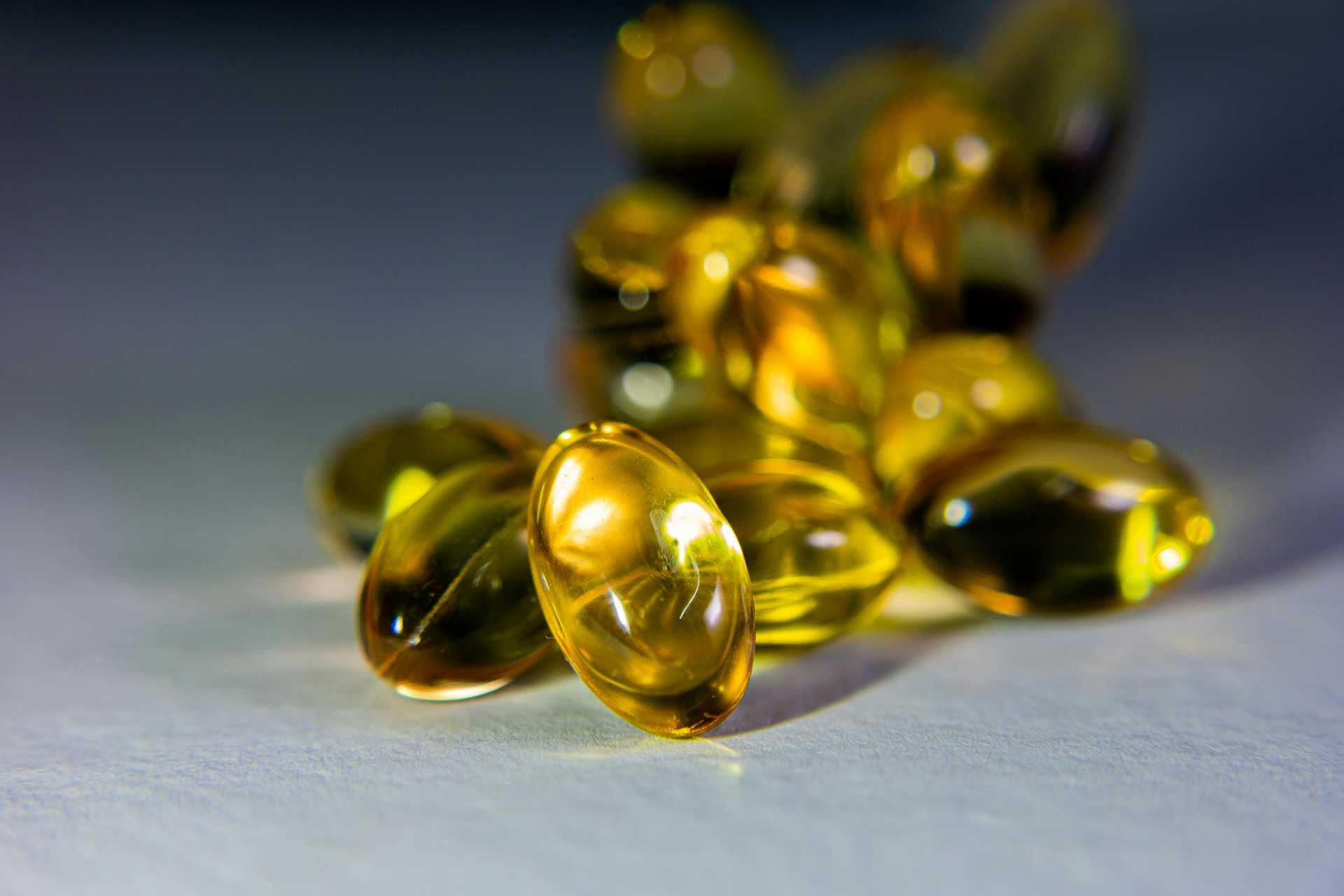
The first supplements you should avoid taking together are iron and calcium. Why? These two supplements compete with each other for absorption and effectiveness in our bodies, and they suppress one another. Calcium wins this struggle and reduces the absorption of iron in the body by 40 to 60 percent. This is especially important for people who suffer from iron-deficiency anemia and are taking iron supplements to compensate. If calcium is taken with their iron supplement, its effectiveness is severely reduced.

How to take iron and calcium together: It’s best to separate the consumption of iron and calcium by 3 to 4 hours. For example:

Taking iron on an empty stomach: Iron supplements are usually better absorbed on an empty stomach (in the morning, before breakfast). Taking calcium with food: Calcium supplements (especially calcium carbonate) are better taken with food or in the evening and at night. By observing this time gap, both minerals can be absorbed by the body effectively and to their maximum potential.

2. Iron and Zinc

Iron-and-Zinc

Taking iron and zinc supplements simultaneously can potentially reduce the absorption of both minerals, but this interaction is not as strong as the one between iron and calcium. The main reason for this interaction, like with calcium, is competition for absorption in the intestines.

Main reasons for the interaction: The main reason for the interaction between iron and zinc is that they use a similar transport system in the small intestine for absorption into the body. When both are consumed simultaneously and in high doses, they compete for the use of these transporters.

Effect of zinc on iron absorption: Studies show that high doses of zinc can interfere with iron absorption and reduce the effectiveness of iron supplements. Effect of iron on zinc absorption: The opposite is also true. High doses of iron can affect zinc absorption and reduce it. If you need both supplements, the best solution is to consult a doctor or pharmacist. They can provide a suitable timing for their consumption based on your health status and required dosage.

Recommended solution: To get better results, separate their consumption by 2 to 4 hours. It is suggested to take zinc with food and iron on an empty stomach.

3. Iron and Vitamin E

Which compounds can help maintain hormonal health

The issue of interaction between iron and vitamin E is a bit more complex than the interaction with calcium or zinc, and its mechanism is not fully clear. However, based on initial research and biological mechanisms, the main reasons why it is recommended not to take these two supplements together are:

Competition for absorption: Some evidence shows that they may interfere with each other’s absorption. This interference can disrupt the body’s absorption of vitamin E. Interference with antioxidant function: Iron can reduce the effectiveness of vitamin E in fighting oxidative stress. Effect on hemoglobin in premature infants: The simultaneous consumption of iron and vitamin E supplements has led to a weaker hemoglobin response to the iron supplement. Solution: Like with other interactions, the best way to ensure sufficient absorption of both substances is to take them with a time interval.

4. Vitamin B9 (Folic Acid) and Vitamin B12
Omega-3 Fatty Acids (Fish Oil): Anti-Inflammatory Ally

The main reason it’s recommended not to take folic acid (vitamin B9) and vitamin B12 together or in high doses is that it can mask the symptoms of a serious disease, which could lead to permanent nerve damage. To better understand this issue, we need to know the role of both vitamins in the body and the symptoms of their deficiency:

Vitamin B12: It is vital for two main functions: blood production and nerve function. Vitamin B9 (Folic Acid): It plays a role in the production and division of cells, especially red blood cells. Its deficiency also causes “megaloblastic anemia.” Where is the dangerous interaction?

The main risk: Taking high doses of folic acid hides the blood-related symptoms of vitamin B12 deficiency, while the nerve damage (which is irreversible) continues. The correct solution: To treat a vitamin B12 deficiency, you must take a B12 supplement itself. Taking high doses of folic acid on your own to treat anemia, without being sure of your body’s B12 status, is dangerous. Multivitamin supplements: In most standard multivitamins, the dosage of B12 and folic acid is balanced and usually does not cause a serious concern. This problem arises more often with the consumption of high-dose single supplements. Always consult a doctor before taking high-dose single-vitamin supplements, especially if you have symptoms of anemia, chronic fatigue, or nerve problems.

5. Whey Protein and Supplements Containing Calcium or Phosphorus
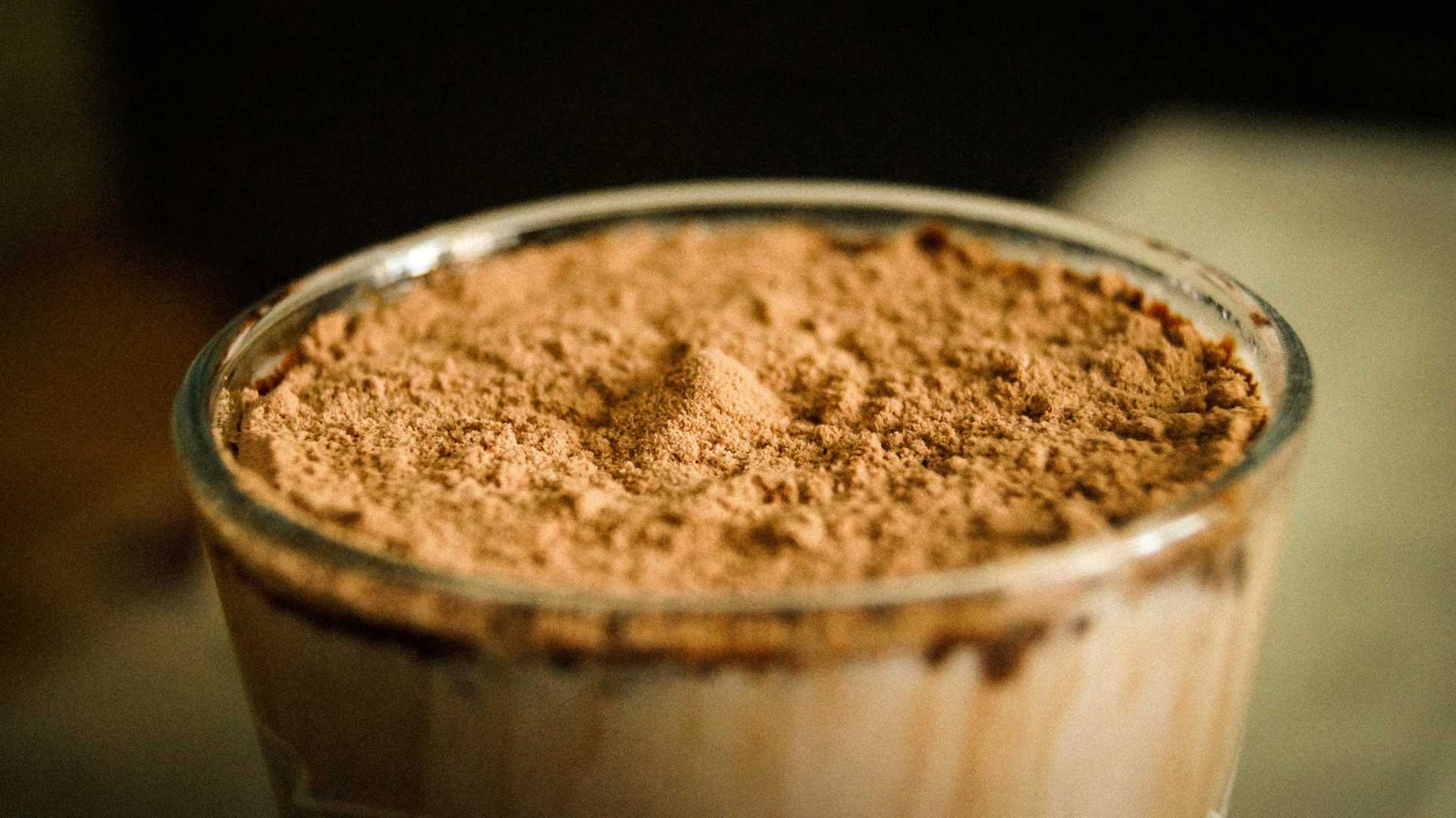
Reason for the interaction: Whey protein contains large amounts of phosphorus. Calcium and phosphorus compete with each other for absorption, and their balance in the body is very important. Effect of the interaction: Excessive consumption of phosphorus from whey protein can reduce calcium absorption. This interaction is especially important for people who are looking to strengthen their bones. Solution: You don’t need to stop taking whey protein. But if you are taking separate calcium or phosphorus supplements, consume them with a suitable time interval (at least 2 hours) from the whey protein.


Are Vitamins and Supplements Necessary During Pregnancy?

Are-vitamins-and-supplements-during-pregnancy-harmful-or-beneficial

Are vitamins and supplements during pregnancy harmful or beneficial?

Taking supplements during pregnancy is, in most cases, considered a necessary part of medical care and is usually recommended by obstetricians. They play a vital role in the growth and health of the fetus and help prevent anemia in the mother. We will go over these aspects in the following.

In this article, we will cover:

  • Are protein supplements safe during pregnancy?

  • Which supplements should not be taken during pregnancy?

  • Which supplements should be taken during pregnancy?

  • Should pregnancy supplements be continued during breastfeeding?

  • What is the best diet plan for pregnant and breastfeeding mothers?

Are-protein-supplements-safe-during-pregnancy?


Are protein supplements safe during pregnancy?

The best way to get protein is through natural foods like meat, chicken, fish, eggs, dairy, nuts, and legumes. We will later go over a diet that is suitable for both mother and fetus, but if the body’s needs are not met through food,
In short, consuming protein powders during pregnancy is not necessarily dangerous, but should be done with caution and under the supervision of a doctor to avoid any risks to the mother and baby. We’ll go into more detail on this:

Protein: A Vital Nutrient During Pregnancy

Protein is essential for the growth and development of the fetus, especially for the formation of critical tissues such as the brain, skin, and muscles. It also helps the mother’s body adapt, including the growth of breast and uterine tissue.

Why should protein powder consumption be approached with caution?

Are-protein-supplements-safe-during-pregnancy

In general, protein and protein consumption are beneficial and essential for the body, but the main concern lies in the additives and extra compounds, such as:

  • Artificial sweeteners: Some sweeteners like saccharin can cross the placenta and may be harmful to the fetus.

  • Unknown chemicals and fillers: Many supplements lack accurate labeling and may contain ingredients not approved for use during pregnancy.

  • Stimulants: Some protein powders contain stimulants like caffeine, which should be limited during pregnancy.

  • Heavy metals: In some cases, supplements may contain trace amounts of heavy metals due to the manufacturing process, which can be harmful to the fetus.

Conclusion

Protein powders can be a suitable option in situations where the mother cannot meet her protein needs through diet (such as in cases of severe nausea and vomiting). However,
To minimize risks related to protein supplement intake for both mother and fetus, it is recommended to follow these guidelines: prioritize organic and healthy protein-rich foods. If additional protein is needed, consult a doctor. Be sure to use high-quality, approved products and verify their authenticity.


Which supplements should NOT be taken during pregnancy?

Some supplements are banned or risky during pregnancy and should be avoided. The most important include:

  • Vitamin A (Retinol): Excess intake of Vitamin A can cause birth defects and liver damage in the mother.

  • Vitamin E: Some studies suggest that high doses of Vitamin E may increase the risk of premature rupture of membranes.

  • Herbal and medicinal supplements: Many herbal supplements are banned due to a lack of sufficient research on their safety during pregnancy.

  • Weight-loss and sports supplements: Some of these supplements may contain harmful or unapproved substances.

  • Supplements with unknown ingredients: Especially those not regulated by health authorities, as they may contain heavy metals, contaminants, or harmful additives.


Which supplements Should be taken during pregnancy?

1. Folic Acid

  • Why is it essential? Folic acid (or folate) plays a critical role in preventing serious birth defects in the brain and spinal cord (like neural tube defects).

  • When should it be taken? It’s best to start taking folic acid one to three months before pregnancy and continue until the end of the 16th week of pregnancy. If the pregnancy is unplanned, it should be started immediately upon finding out.

2. Iron

  • Why is it essential? The body’s iron needs nearly double during pregnancy. Iron is essential for red blood cell production, oxygen delivery to the fetus, and preventing maternal anemia. Severe anemia can increase the risk of preterm labor and low birth weight.

  • When should it be taken? Iron supplements are usually prescribed by the doctor starting in the second trimester.

3. Vitamin D

  • Why is it essential? This vitamin aids in calcium absorption and is vital for the development of bones and teeth in the fetus, and for maintaining maternal bone health. A deficiency can increase the risk of preeclampsia, gestational diabetes, and preterm birth.

  • When should it be taken? Due to the high prevalence of vitamin D deficiency, supplementation is usually recommended before and during pregnancy.

4. Calcium

  • Why is it essential? Calcium is crucial for forming strong bones and teeth in the fetus. If not enough calcium is consumed through diet, the mother’s body will pull it from her bones, potentially leading to reduced bone density.

  • When should it be taken? If dietary calcium intake is insufficient (e.g., from dairy), your doctor may prescribe a calcium supplement.

5. Iodine

  • Why is it essential? Iodine is vital for proper thyroid function in the mother and for the development of the baby’s nervous system and brain. Deficiency can lead to hypothyroidism in the fetus and developmental delays.

6. Omega-3

  • Why is it essential? Omega-3 fatty acids, especially DHA, are critical for the baby’s brain and vision development.

  • When should it be taken? It is beneficial throughout pregnancy. If you don’t eat fatty fish regularly, you may need to take a supplement.

Many doctors recommend prenatal multivitamins to ensure all nutrient needs are met. Again, always consult a physician before starting any supplement.


Should pregnancy supplements be continued during breastfeeding?

Yes, taking supplements during breastfeeding is just as important as during pregnancy. A mother’s body needs more nutrients to produce high-quality milk and maintain her own health. The supplements mentioned for pregnancy also support the mother’s health and the quality of breast milk during the postpartum period.


What is the best diet plan for pregnant and breastfeeding mothers?

What-is-the-best-diet-plan-for-pregnant-and-breastfeeding-mothers

The best diet plan for pregnant and breastfeeding mothers is a balanced and varied one that meets all the body’s nutritional needs for fetal development and quality milk production.

General principles of a healthy diet:

  1. Protein sources: Lean meat, chicken, fish, eggs, legumes (lentils, beans), nuts, and dairy

  2. Carbohydrates: Whole grain bread and cereals, brown rice, vegetables, and fruits

  3. Healthy fats: Avocados, nuts (walnuts, almonds), seeds (flaxseed, chia), and olive oil


Tips for each phase:

During pregnancy:

  • Managing morning sickness: Eat small, frequent meals and avoid fatty or spicy foods.

  • Staying hydrated: Drink at least 8 to 10 glasses of water per day.

  • Avoiding risky foods: Stay away from undercooked foods such as sushi or rare meats, as they may contain harmful bacteria.

During breastfeeding:

  • Increased calories: Your body needs more calories to produce milk. Try to include nutrient-dense, energy-rich foods in your main meals and snacks.

  • Increased fluids: Drink plenty of water and fluids to ensure sufficient milk supply.

  • Watch for baby’s reaction: Some foods (like cabbage, broccoli, onions) may cause gas in babies. If your baby becomes fussy after you eat a certain food, try eliminating it from your diet.

Elevating Wellness: Luxury Gym Supplements in Dubai’s Elite Circles

Introduction

In the glimmering skyline of Dubai, where wellness meets opulence, gym culture is more than just a trend—it’s a lifestyle benchmark. From Dubai Marina to Downtown, Palm Jumeirah, and Jumeirah, elite residents seek not just fitness but a complete, scientifically supported experience. That includes premium nutrition, backed by clinically proven, bioavailable, organic, and sustainably sourced supplements. The term “Luxury gym supplements Dubai” is no longer a niche—it’s a booming market segment shaping the future of health and prestige.


1. Why Luxury Matters in Gym Supplementation


1.1 Aesthetic Goals + Performance Synergy

Luxury supplements serve both worlds—beauty and strength. They’re meticulously formulated with pharmaceutical-grade ingredients, high-performance adaptogens, and grass-fed collagen, offering support for muscle gain, recovery, radiant skin, and joint health. In a city where image and vitality walk hand in hand, this dual benefit is essential.

1.2 Safety and Certification: No Compromises

Premium consumers demand transparency. They prefer third-party tested, non-GMO, heavy-metal free supplements free from banned substances. Certifications like Informed-Sport, NSF Certified for Sport, and USP Verified are now mandatory expectations in Dubai’s elite fitness circles.

“Third-party testing isn’t a luxury—it’s a necessity for elite athletes.” – Dr. Shawn Talbott, PhD in Nutritional Biochemistry


2. Essential Luxury Gym Supplements in Dubai

Supplement Type Why It’s Luxury Key Benefits
Whey Protein Isolate Pharmaceutical grade, enzyme-enhanced Muscle building, fast absorption
Grass-fed Collagen Sustainably sourced, hydrolyzed Skin, joints, hair, nails
Multivitamin Complex Clinically backed, broad-spectrum Overall body function
Omega-3 (Triglyceride) High purity, molecular distillation Heart, joints, inflammation
Adaptogens & Nootropics Organic, ancient medicine backed by science Stress, mental clarity

3. Top Recommended Luxury Supplements

3.1 Whey Protein Isolate (High-Performance)

Leading luxury protein products in Dubai include:

  • Optimum Nutrition Gold Standard 100% Whey

  • Isopure Zero Carb

  • MyProtein THE Whey+

These isolates are bioavailable, low-lactose, enzyme-infused, and third-party tested.

3.2 Collagen Peptides (Grass-Fed, Hydrolyzed)

Dubai’s wellness elite use collagen for anti-aging, hair strength, and joint support.
Top brands include:

Most offer hydrolyzed, non-GMO, and sustainably sourced collagen with high bioavailability.

“Hydrolyzed collagen peptides from grass-fed sources absorb up to 1.5x faster than traditional collagen.” – Harvard Health

3.3 Multivitamins (Clinically Proven)

Luxury multivitamins bridge micronutrient gaps caused by stress and intense training.
Top picks:

  • Garden of Life MyKind Organics

  • Pure Encapsulations O.N.E. Multivitamin

  • Thorne Research Basic Nutrients 2/Day

These are third-party tested, non-GMO, and often vegan.

3.4 Omega-3 in Triglyceride Form

For heart, brain, and anti-inflammatory support, TG-form Omega-3s provide up to 70% better absorption than ethyl ester forms.
Premium brands:

3.5 Adaptogens & Nootropics

  • Ashwagandha, Rhodiola, Lion’s Mane are clinically linked to stress balance and brain performance.

  • Preferred brands in Dubai include:

    • Onnit Alpha Brain

    • Four Sigmatic Mushroom Elixirs

    • Moon Juice SuperYou

“Adaptogens modulate cortisol and enhance stress resilience. I personally recommend Rhodiola rosea.” – Dr. Andrew Huberman, Stanford Neuroscientist


4. Bioavailability: The Core of Efficacy

Bioavailability determines how much of a nutrient your body actually absorbs. In luxury supplementation, every ingredient is engineered for maximum delivery.

  • Hydrolyzed collagen peptides = 1.5x faster absorption

  • TG Omega-3s = ~70% more bioavailable

  • Multivitamin chelates = higher cellular uptake


5. A Sample Daily Luxury Supplement Routine

Time of Day Supplement Function
Morning TG-form Omega‑3 + Multivitamin + Matcha nootropic Energy, brain health, baseline nutrients
Post-Workout Whey isolate + Grass-fed collagen Muscle recovery, skin/joint support
Evening Adaptogen stack + Magnesium glycinate Cortisol balance, sleep support

This is not a one-size-fits-all plan. Personalized plans based on lab testing are available via Dubai’s top-tier wellness clinics in Jumeirah and Downtown.


6. Where to Buy in Dubai

Top luxury retailers for supplements in Dubai:

  • The Organic Pharmacy (Dubai Mall)

  • BinSina Pharmacy (Palm Jumeirah, Marina)

  • TK Supplements Boutique (City Walk)

  • iHerb UAE (Online)

  • Vitamincorner.ae (Premium line only)

Look for labels marked Informed-Sport, USP Verified, or Made in GMP Facilities.


7. Expert-Backed Tips for Choosing the Best

  • Go for third-party tested and non-GMO supplements.

  • Prefer single-ingredient transparency over “proprietary blends.”

  • Choose clinically backed ingredients with peer-reviewed studies.

  • For the most discerning buyers, DNA-based supplement personalization is available via clinics like DNA Health & Wellness (DIFC).


8. SEO Strategy: “Luxury Gym Supplements Dubai”

To rank on Google for Luxury gym supplements Dubai, follow these guidelines:

  • Place the keyword in the title, URL, meta description, and H1.

  • Use supportive phrases:

    • “organic gym supplements Dubai”

    • “clinically proven Dubai supplements”

    • “bioavailable fitness nutrition UAE”

Also use branded names like “Vital Proteins collagen Dubai” and “Optimum Nutrition whey UAE” throughout the blog content.


Conclusion

In a city like Dubai where health and prestige go hand-in-hand, your supplement shelf is as much a reflection of your identity as your car or watch. From grass-fed collagen to TG-form Omega-3, adaptogenic nootropics to pharmaceutical-grade protein isolates, the elite in Dubai demand nothing short of science-backed luxury.

So whether you’re training on the rooftop gym of a Marina tower or rejuvenating after pilates in Jumeirah, let your supplements echo the same elegance as your lifestyle.

Because in Dubai, wellness isn’t just personal—it’s powerful.

5 Essential Supplements for Starting Bodybuilding

5 Essential Supplements for Starting Bodybuilding (Backed by Science)

Beginner’s Guide to Smart Supplementation 5 Essential Supplements for Starting Bodybuilding

Starting bodybuilding can be both exciting and overwhelming. With so many supplements available on the market, it’s difficult for beginners to know what truly works. The good news is, science has narrowed it down to a few essentials that can effectively support muscle growth, recovery, and overall performance. Here’s a breakdown of five evidence-backed supplements that are ideal for anyone new to the world of bodybuilding.


1. Whey Protein: Foundation for Muscle Growth

Whey Protein: Foundation for Muscle Growth

Scientific Insight:
Whey protein is a complete protein derived from milk and contains all nine essential amino acids. It is rapidly digested and absorbed, making it ideal for post-workout recovery. Studies show that whey protein supplementation enhances muscle protein synthesis, particularly when consumed after resistance training.

Expert Opinion:
According to Dr. Stuart Phillips, a leading protein researcher at McMaster University:

“Whey protein is probably the most effective protein supplement available in terms of supporting muscle growth, particularly for novices.”
(Source: Phillips SM et al., Journal of Applied Physiology, 2009)

How to use it:
Take 20–30 grams of whey protein within 30–60 minutes post-workout for optimal results.

You can find top-rated whey supplements at Protein for Life – trusted by athletes and beginners alike.


2. Creatine Monohydrate: Power and Strength Booster

Creatine Monohydrate: Power and Strength Booster

Scientific Insight:
Creatine monohydrate is one of the most extensively studied sports supplements. It works by increasing phosphocreatine stores in your muscles, allowing for more ATP production — the energy currency of the cell — during high-intensity exercise. It enhances strength, muscle mass, and performance.

Expert Opinion:
Dr. Darren Candow, PhD, a creatine researcher at the University of Regina, states:

“Creatine is safe, effective, and one of the best ergogenic aids for athletes, particularly those starting strength-based programs.”
(Source: Candow et al., Nutrients, 2021)

How to use it:
A daily dose of 3–5 grams is sufficient for beginners. A loading phase is optional.

Explore premium creatine monohydrate options now at Protein for Life


3. BCAAs: Anti-Catabolic Shield

Scientific Insight:
BCAAs (leucine, isoleucine, and valine) are crucial for muscle recovery and reducing exercise-induced muscle damage. Leucine, in particular, activates mTOR — a key pathway in muscle protein synthesis. BCAAs also reduce muscle soreness and delay fatigue in beginners not used to intense training.

Expert Opinion:
Dr. Layne Norton, PhD in nutritional sciences, says:

“While whole protein sources are preferred, BCAAs can be beneficial for those training fasted or consuming lower-quality protein sources.”
(Source: Norton et al., Journal of the International Society of Sports Nutrition, 2015)

How to use it:
Take 5–10 grams during or after workouts, especially if your training volume is high.

Visit Protein for Life to choose from our best-selling BCAA formulas.


4. Multivitamins: Nutritional Insurance

Scientific Insight:
Exercise increases the demand for vitamins and minerals due to higher metabolic turnover. Many beginners may not meet their micronutrient needs through diet alone. A high-quality multivitamin can help bridge these gaps and support immune health, energy metabolism, and muscle recovery.

Expert Opinion:
According to the National Institutes of Health (NIH):

“Multivitamins may be useful for filling dietary gaps in certain populations, including physically active individuals.”
(Source: NIH Office of Dietary Supplements, 2023)

How to use it:
Choose a multivitamin designed for active individuals, preferably with higher B-complex and antioxidant levels.

Discover athlete-focused multivitamins today at Protein for Life.


5. Omega-3 Fatty Acids (Fish Oil): Anti-Inflammatory Ally

Scientific Insight:
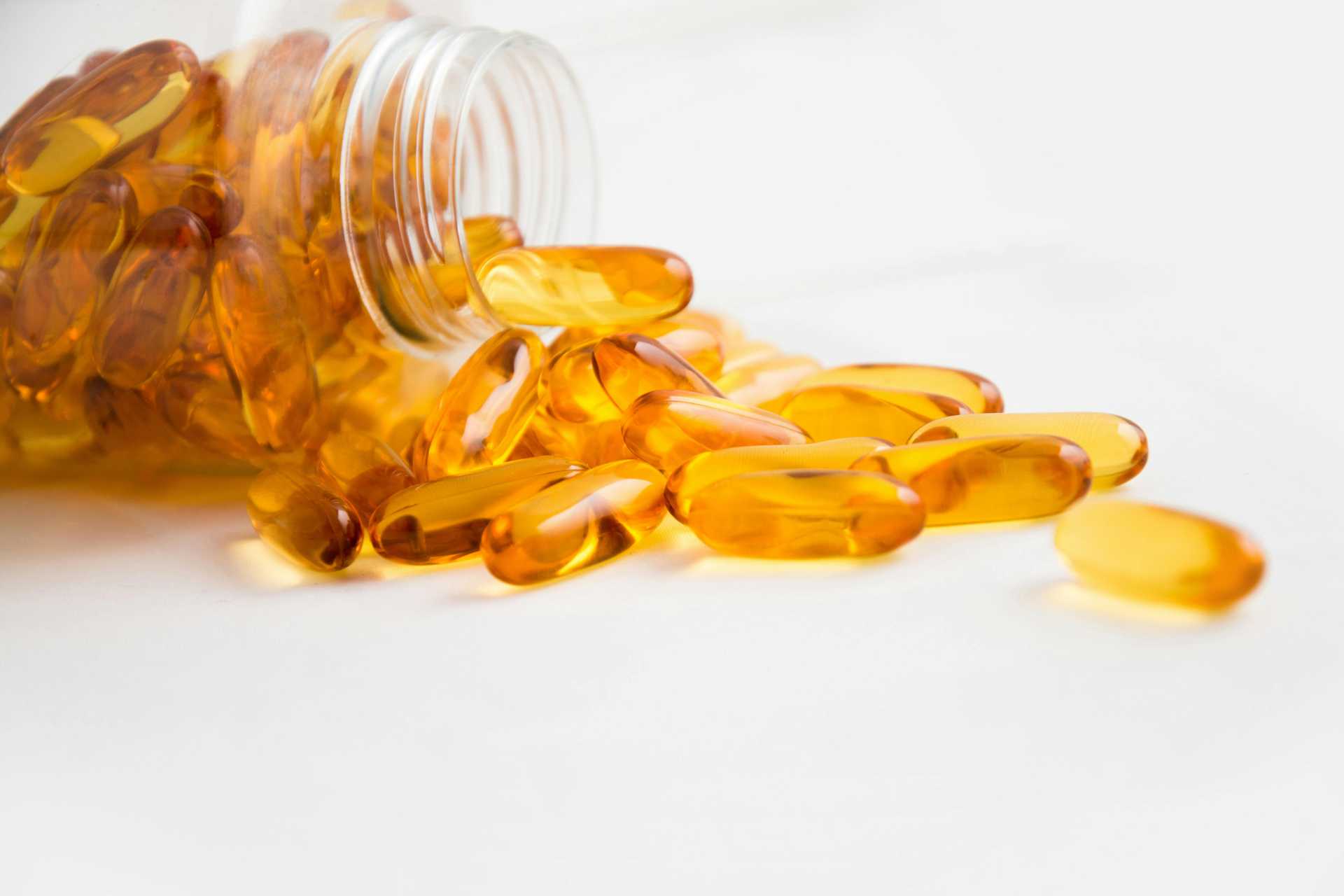
Omega-3s (EPA and DHA) play a vital role in reducing inflammation, improving joint health, and supporting muscle recovery. They may also enhance muscle protein synthesis in response to amino acid intake and training, especially in beginners.

Expert Opinion:
Dr. Philip Calder, an expert in lipid metabolism, notes:

“Omega-3 fatty acids have anti-inflammatory effects that are beneficial for exercise recovery and may support muscle maintenance.”
(Source: Calder PC et al., The American Journal of Clinical Nutrition, 2010)

How to use it:
Consume at least 1–2 grams of combined EPA and DHA per day. Look for high-quality fish oil capsules or liquid supplements.

Check out our omega-3 collection now at Protein for Life.


Conclusion: Start Smart, Supplement Wisely

As a beginner in bodybuilding, it’s crucial to focus on fundamentals — proper training, consistent nutrition, and recovery. Supplements are not a substitute for these pillars but can significantly enhance your progress when used wisely.

Always consult with a healthcare provider or certified sports nutritionist before starting any supplement regimen, especially if you have existing health conditions.


References:

  1. Phillips SM, et al. (2009). Resistance training and protein metabolism. Journal of Applied Physiology.

  2. Candow DG, et al. (2021). Creatine supplementation for older adults and beginners. Nutrients.

  3. Norton L, et al. (2015). Leucine and mTOR in muscle growth. Journal of the ISSN.

  4. NIH Office of Dietary Supplements. Multivitamin/mineral Supplements Fact Sheet.

  5. Calder PC, et al. (2010). Omega-3 fatty acids and inflammation. AJCN.

Does Consuming Protein Cause Acne?

Does Consuming Protein Cause Acne?

Does Consuming Protein Cause Acne?

Understanding the Link Between Protein, Pimples, and Facial Beauty

Protein is essential for muscle growth, immune support, and overall body function. However, some people—especially fitness enthusiasts—worry that protein supplements, especially whey protein, may lead to acne or skin breakouts. Is there any truth to this concern, or is it just another fitness myth? In this article, we explore the science behind protein consumption and acne, clarify common misconceptions, and review expert opinions to help you make informed choices about your skin and supplements.


What Causes Acne?

Acne is a multifactorial skin condition typically caused by a combination of excess sebum production, clogged pores, inflammation, and bacterial growth. Hormonal imbalances, stress, genetic predisposition, and dietary factors can also contribute to the development and severity of pimples.


Is There a Scientific Link Between Protein and Acne?

Much of the concern revolves around whey protein, a dairy-based supplement commonly used by athletes and gym-goers. Multiple studies suggest that whey may influence hormones such as insulin and IGF-1 (insulin-like growth factor 1), both of which are linked to increased oil (sebum) production in the skin—an important trigger for acne.

Key Study:
A 2013 review by Dr. Bodo C. Melnik, published in Dermato-Endocrinology, highlighted that whey protein can stimulate IGF-1 pathways, which may aggravate acne, especially in young adults and teens.
Source: NCBI – Dermato-Endocrinology, 2013


Whey Protein vs. Plant-Based Protein

Unlike whey protein, plant-based proteins (e.g., pea, rice, hemp) typically do not trigger insulin or IGF-1 surges and are thus considered safer for acne-prone individuals.

“Plant-based protein powders are less likely to exacerbate acne and are a safer option for people with sensitive or acne-prone skin,” says Dr. Whitney Bowe, board-certified dermatologist and author of The Beauty of Dirty Skin.


The Role of Dairy and Hormones

Whey protein is derived from milk and contains growth-promoting hormones and bioactive peptides that may influence the skin negatively.

According to Dr. Trevor Cates, known as The Spa Doctor, “Dairy-based products can disrupt the gut-skin axis and may worsen inflammatory skin conditions like acne.”

Moreover, the American Academy of Dermatology (AAD) confirms that dietary choices, including high glycemic foods and dairy, can influence acne, although reactions vary significantly between individuals.


Not All Proteins Are Equal

It’s important to distinguish between natural dietary proteins (like chicken, fish, lentils) and processed protein powders that may contain added sugars, artificial flavors, or fillers. These additives, especially when combined with a poor diet or inadequate hydration, can irritate the skin and worsen acne.


Tips for People with Acne-Prone Skin

If you’re concerned about facial beauty and breakouts related to protein, consider the following practical steps:

  1. Observe Your Skin’s Reaction: If breakouts worsen after using whey protein, try eliminating it for a few weeks to observe changes.

  2. Switch to Plant-Based Protein: Choose pea, rice, or hemp protein powders labeled “clean” or “non-comedogenic.”

  3. Limit Dairy and Sugar Intake: Both are linked to hormonal imbalances and inflammation.

  4. Stay Hydrated and Practice Good Skincare: Proper cleansing and moisturizing reduce pore congestion.

  5. Consult a Dermatologist: Especially before starting new supplements or diet routines.


Does Protein Always Cause Acne?

No—protein in itself does not directly cause pimples. Many people consume protein supplements or high-protein diets without any adverse skin reactions. However, individual responses vary, and certain people—particularly those sensitive to dairy or with hormonal imbalances—may experience flare-ups with whey protein.

Expert Opinions on Protein and Acne

  • Dr. Bodo Melnik suggests a clear hormonal link between whey protein and acne.

  • Dr. Whitney Bowe recommends plant proteins for individuals with acne-prone skin.

  • The American Academy of Dermatology acknowledges that diet, including high glycemic and dairy products, may affect skin condition.

  • Dr. Trevor Cates highlights the importance of gut health and its effect on facial beauty and inflammation.


Final Verdict: Should You Avoid Protein?

Protein remains a critical nutrient for physical health, muscle repair, and immune function. However, if you’re prone to acne, it’s wise to choose your protein sources carefully.

Whey protein may contribute to breakouts in susceptible individuals due to its impact on hormonal activity.
Plant-based proteins are a gentler alternative, supporting both fitness and skin clarity.
Facial beauty is not just about what you apply externally, but also about what you fuel your body with internally.

If you’re looking for plant-based proteins and skin-friendly multivitamins to support both your body and your facial beauty, we recommend visiting Protein for Life — your trusted source for clean, effective wellness solutions.

Does Whey Protein Cause Weight Gain?

Does Whey Protein Cause Weight Gain?

Does Whey Protein Cause Weight Gain? A Complete Guide for Fitness Enthusiasts and Health-Conscious Individuals

Introduction: Why This Question Matters

Whey protein has become one of the most popular and widely used dietary supplements in the world — especially among athletes, bodybuilders, and people focused on maintaining a healthy lifestyle. It’s praised for its high biological value, rapid absorption, and ability to support muscle growth and recovery.

Yet, one common concern continues to arise:
“Does whey protein cause weight gain or make you fat?”

Understanding the answer requires an exploration of how whey protein works, the science of weight gain, calorie balance, and expert opinions.


What Is Whey Protein?

Whey protein is a high-quality protein derived from cow’s milk during the cheese-making process. It contains all nine essential amino acids, making it a complete protein.
Types of Whey Protein:

  • Whey Concentrate: Contains some fat and lactose, typically around 70–80% protein.

  • Whey Isolate: More processed, with higher protein content (90%+) and less fat/lactose.

  • Whey Hydrolysate: Pre-digested for faster absorption, often used in clinical settings or for sensitive digestion.

Whey protein is typically consumed as a supplement in powder form and mixed with water, milk, or smoothies.


Does Whey Protein Cause Weight Gain?

Short Answer:

No, whey protein does not directly cause weight gain — unless it contributes to a calorie surplus.

Weight gain or fat gain occurs when your daily caloric intake exceeds your caloric expenditure. Whey protein itself contains about 4 calories per gram, just like any other protein source.

If you consume whey protein within your daily calorie needs, it will not cause weight gain. In fact, it may help with:

  • Appetite control

  • Fat loss

  • Muscle preservation during dieting


When Whey Protein Might Lead to Weight Gain

While whey protein isn’t inherently fattening, there are certain scenarios where it might contribute to weight gain:

  1. Excessive Consumption Without Tracking Calories
    If you’re adding whey protein on top of an already calorie-rich diet, you could go into a caloric surplus, leading to weight gain.

  2. Low Physical Activity Levels
    When protein is consumed but not used for muscle recovery (through exercise), excess protein calories can still be stored as fat.

  3. Mass Gainer Formulas
    Some whey-based products (mass gainers) are designed to increase weight and contain high levels of sugars, carbs, and fats — not ideal if you’re not trying to gain weight.


Does Whey Help You Lose Fat?

Yes, it can. Research has consistently shown that whey protein can:

  • Increase satiety (feeling full)

  • Help retain lean muscle mass during caloric restriction

  • Support thermogenesis and fat oxidation

Clinical Study Example:

A meta-analysis published in The Journal of the American College of Nutrition (2013) found that whey protein supplementation:

  • Helped reduce body fat

  • Increased lean body mass

  • Improved body composition in both trained and untrained individuals

Reference:
Cribb, P. J., et al. Effects of whey isolate on strength, body composition in resistance-trained men. JACN, 2006.


Muscle Gain vs. Fat Gain: Know the Difference

Many users report a slight increase in body weight after using whey protein — but this doesn’t necessarily mean fat gain. It could be due to:

  • Increased muscle mass

  • Improved glycogen storage (which holds water)

  • Water retention

This kind of weight gain is typically healthy and favorable for overall fitness.


Expert Opinions on Whey Protein and Weight Management

Dr. Stuart Phillips (McMaster University, Canada)

“Whey protein is an excellent tool for managing weight. It promotes satiety and helps maintain muscle mass, especially when dieting.”

Harvard Health Publishing

“Consuming high-quality protein like whey can support weight loss and improve metabolism, especially when used as part of a calorie-controlled diet.”

Source: Harvard Health Publishing, “The Truth About Protein and Weight Loss,” 2021.


How Whey Protein Affects Your Metabolism

Whey is rich in branched-chain amino acids (BCAAs) — especially leucine, which is a key trigger for muscle protein synthesis. This process increases energy expenditure, helps preserve lean mass, and indirectly supports fat loss.

It also boosts your resting metabolic rate (RMR), meaning you burn more calories even while at rest.


Are Supplements Like Whey Protein Safe?

Whey protein is considered safe for most individuals, as long as:

  • It is sourced from reputable brands

  • You follow recommended serving sizes

  • You don’t rely on it as your only source of nutrition

Regulatory Status:

Whey protein is listed as GRAS (Generally Recognized as Safe) by:

  • U.S. FDA (Food and Drug Administration)

  • EFSA (European Food Safety Authority)


Supplement Facts: A Quick Overview

Feature Details
Serving Size ~25-30g per scoop
Calories 100–150 kcal (approx.)
Protein Content 20–25g
Carbohydrates 1–5g
Fat 1–3g
Key Ingredient Whey Protein (Isolate/Concentrate/Hydrolysate)
Additives (if any) May contain flavors, sweeteners

Conclusion: So, Does Whey Protein Cause Weight Gain?

Let’s recap:

 Whey protein does not inherently make you fat
 It can help with muscle gain, fat loss, and appetite control
 Overconsumption, poor diet, and lack of exercise can still lead to weight gain — with or without supplements
 Choose high-quality whey protein and combine it with proper nutrition and physical activity for best results


 Final Tip:

If you’re using whey protein strategically, it can be a powerful ally in building a lean, strong, and healthy body.


Need Help Choosing the Right Protein Supplement?

Visit ProteinForLife.ae for top-rated products and FREE expert consultation on sports nutrition, weight management, and fitness goals.

what is Whey Protein:

Whey protein, derived from milk during the cheesemaking process, has become a staple supplement in the diets of health-conscious individuals around the globe. It is a complete, fast-digesting protein rich in essential amino acids, especially leucine. Due to its effectiveness in building muscle……


Are Supplements Harmful? Facts You Should Know Before You Take Them

Are Supplements Harmful? Facts You Should Know Before You Take Them

Are Supplements Harmful?

In recent years, dietary supplements have become an inseparable part of many people’s lifestyles. From multivitamins to protein powders and herbal capsules, millions rely on supplements to improve health, boost athletic performance, or fill nutritional gaps.

But one essential question always arises:
Are supplements harmful?

In this comprehensive article, we’ll explore what supplements are, their potential benefits and risks, expert opinions from around the world, and how to use them safely. Whether you’re an athlete or someone who cares about your body and well-being, this guide will help you make better-informed decisions.


What Is a Supplement?

According to the U.S. Food and Drug Administration (FDA), a dietary supplement is a product intended to supplement the diet and may contain one or more of the following:

  • Vitamins

  • Minerals

  • Amino acids

  • Herbs or botanical extracts

  • Enzymes or probiotics

Supplements come in various forms such as pills, capsules, powders, beverages, bars, and liquid drops.


Benefits of Supplements

  1. Filling Nutritional Gaps:
    Ideal for people with restrictive diets or vitamin deficiencies.

  2. Enhancing Athletic Performance:
    Supplements like whey protein, creatine, and BCAAs support muscle growth, endurance, and recovery.

  3. Targeted Health Goals:

    • Omega-3: Heart health

    • Calcium & Vitamin D: Bone strength

    • Iron: Treating anemia


Are Supplements Harmful?

Supplements aren’t inherently harmful—but they can become dangerous when misused, overdosed, or sourced from poor-quality brands.

 Common Risks:

  • Overdose & Toxicity:
    Fat-soluble vitamins like A, D, E, and K can build up in the body and lead to toxicity if over-consumed.

  • Drug Interactions:
    For example, St. John’s Wort can interfere with antidepressants or birth control pills.

  • Contamination:
    Some low-quality supplements may contain heavy metals, banned substances, or undeclared drugs.

Real Case:
A 2015 study published in JAMA Internal Medicine found that over 23,000 ER visits in the U.S. each year are linked to dietary supplement-related adverse events.
Source: Geller AI, JAMA Intern Med. 2015;175(2):208–210


What Do Experts Say?

  • Dr. Pieter Cohen (Harvard Medical School):
    “Most people don’t need supplements if they follow a healthy diet. Some supplements can be harmful if taken improperly.”
    Source

  • Dr. Michael Greger (Author of How Not to Die):
    Advocates a whole-food, plant-based diet and recommends Vitamin B12 and D in cases of deficiency.

  • World Health Organization (WHO):
    Advises supplement use only in confirmed deficiency or special medical conditions.
    WHO Guidelines


How to Take Supplements Safely

  1. Always consult a doctor or registered dietitian before use.

  2. Read the “Supplement Facts” label carefully.

  3. Avoid megadoses unless prescribed.

  4. Choose brands with third-party certifications like NSF or USP.

  5. Ignore misleading terms like “all-natural” or “miracle cure.”


How to Read Supplement Labels

  • Serving size and servings per container

  • Amount of active ingredients and % Daily Value

  • Other ingredients (binders, flavors, colors)

  • Manufacturer’s name and contact details

  • Third-party certifications (e.g., NSF, USP)

For a full guide, refer to the NIH Supplement Labeling Resource


What Is the Best Multivitamin for the Body?

The best multivitamin depends on your:

  • Age

  • Gender

  • Dietary habits

  • Activity level

  • Health goals (e.g., muscle gain, weight loss, immune support)

Qualities of a Good Multivitamin:

  • Contains essential vitamins and minerals in balanced doses

  • Free from harmful additives or contaminants

  • Certified by independent labs (NSF, USP, etc.)


Top Multivitamin Brands (2024)

Brand Highlights Certification
Optimum Nutrition Trusted worldwide, known for Gold Standard Whey Informed-Choice Certified
Dymatize Fast absorption, clinically tested, athlete-focused Informed-Sport Certified
Applied Nutrition UK-based, advanced formulas, banned substance tested Informed-Sport Certified

Conclusion

Supplements can support your journey toward better health and physical performance—but only when used wisely, scientifically, and responsibly. No supplement can replace a balanced diet and healthy lifestyle—it can only complement them.


Key Takeaways:

  • Supplements can be beneficial if used correctly

  • Misuse or overuse can be harmful

  • Always consult a professional before use

  • Prioritize whole food nutrition

  • Choose trusted, certified brands only

For original, certified, and safe supplements, visit ProteinForLife—your reliable source for quality sports nutrition.

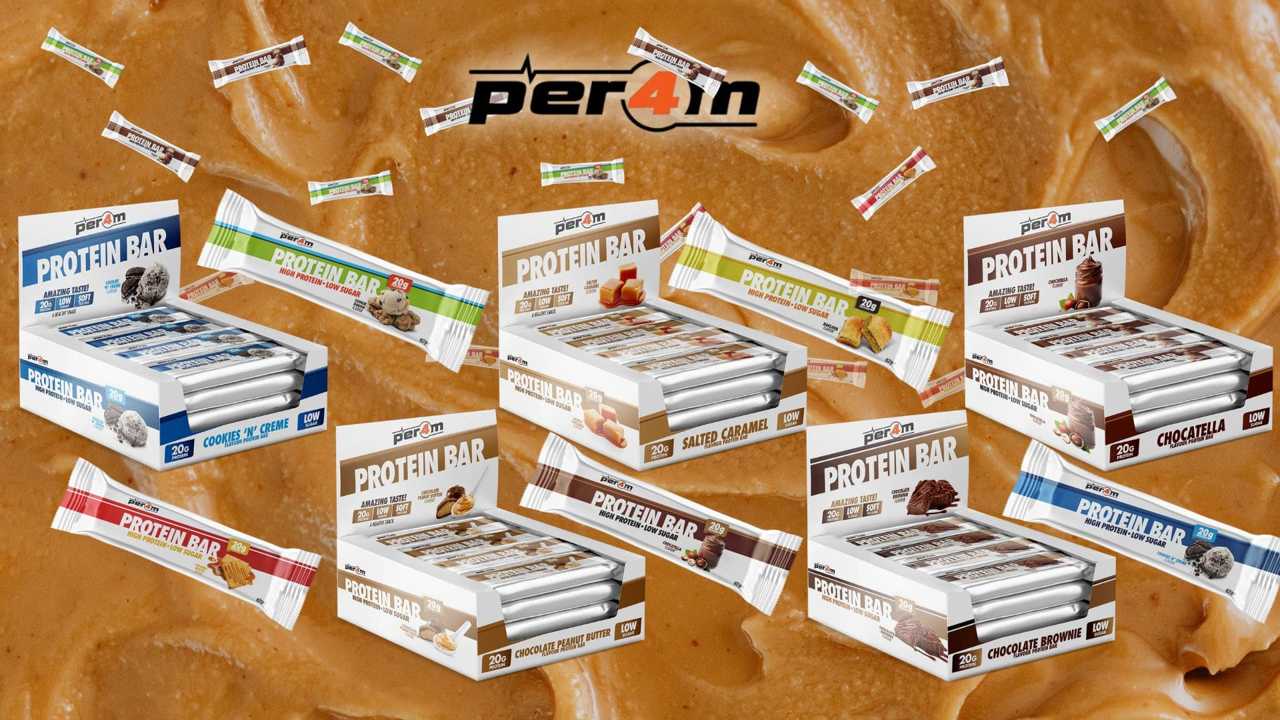
PER4M PROTEIN BAR in Dubai |Complete information about these protein bars

Protein_bar_PER4M

PER4M Protein Bars Now in Dubai – Learn More About These Delicious Protein Bars

PER4M-PROTEIN-BAR-IN-DUBAI

Definition of PER4M PROTEIN BAR from the perspective of a nutrition specialist

PER4M PROTEIN BAR is a nitrate-based dietary supplement designed to provide fast-absorbing protein and sustained energy for athletes, active individuals, and those who carefully manage their daily calorie and macronutrient intake. Each bar contains 20 grams of isolated protein (usually sourced from milk protein, casein, or plant-based protein) per serving, which is beneficial for muscle repair after training or for increasing satiety throughout the day.

In terms of carbohydrates, dis PROTEIN BAR contains low-glycemic index carbohydrates (about 15–20 grams per bar), mainly derived from plant fibers and natural sweeteners (such as isomalt or steviol). This feature ensures that blood sugar levels rise gradually without causing an energycrash.” The fat content in this product (about 5–8 grams per bar) generally comes from healthy sources such as coconut oil or dried fruits, providing omega-3 and omega-6 fatty acids.

A distinctive feature of PER4M is the inclusion of vitamins and minerals such as vitamin D, calcium, and manganese, optimized for bone health and metabolic performance. In addition, this bar is gluten- and lactose-free (in plant-based versions), making it suitable for individuals with lactose intolerance or celiac disease.

In terms of application, PER4M PROTEIN BAR is recommended as a dietary supplement in conditions such as pre-workout (due to quick energy), post-workout (for muscle recovery), or as a healthy snack between meals. However, consumption guidelines include limiting daily intake (usually 1–2 bars) and a warning for individuals with kidney or liver diseases, who should regulate protein digestion under medical supervision.

Overall, PER4M PROTEIN BAR is a functional and balanced product suitable for fitness goals and calorie-controlled diets, but it should not replace a diverse and natural diet Let’s examine these healthy foods in more detail.

WHAT ARE PROTEIN BARS

WHAT-IS-PROTEIN-BARS

Protein bars are nutrient-dense, compact snacks specifically designed to deliver a concentrated dose of protein—usually between 10 and 30 grams per bar—along with varying amounts of carbohydrates, fats, fiber, vitamins, and minerals. So, are these delicious snacks right for you? The complete answer can be found in the full article titled “Are Protein Bars Healthy?”—I recommend you read it click here.


What Makes Per4m Protein Bars Different?

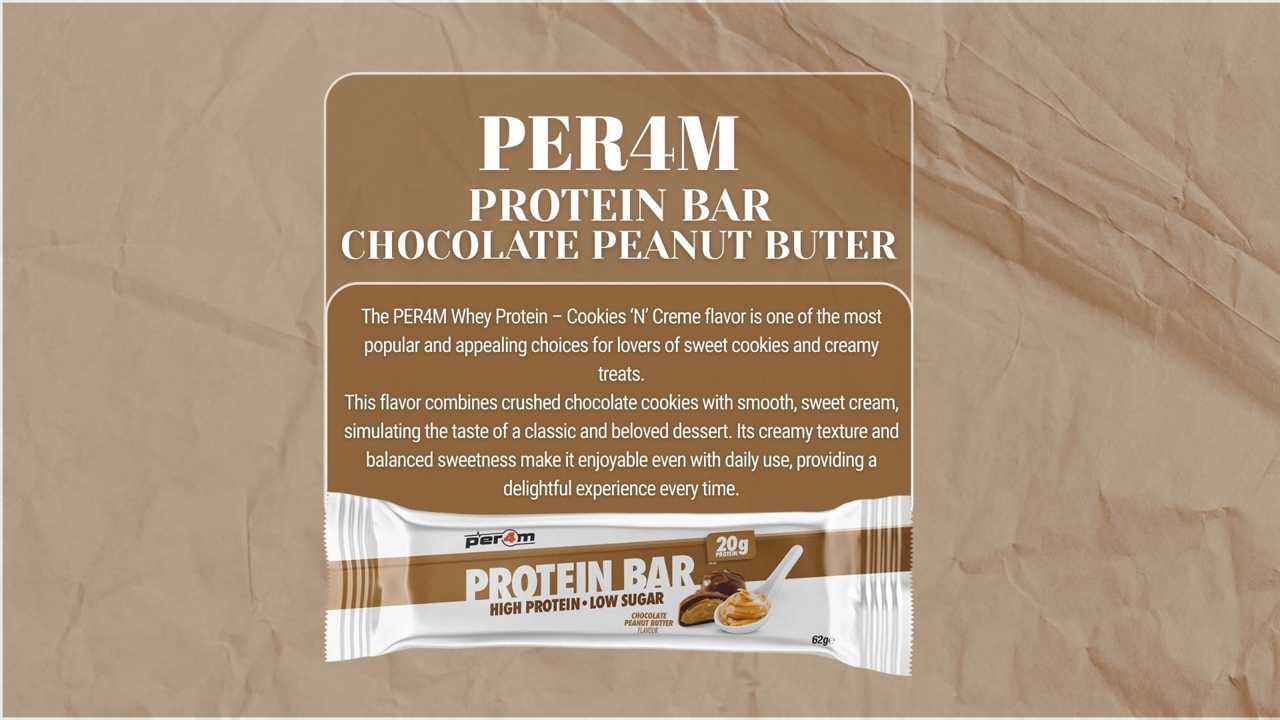
Per4m-Protein-Bar-Chocatella-High-Protein-Low-Sugar-62g

Now that we understand what protein bars are and how they benefit us, let’s look at what sets Per4m protein bars apart from other snacks:

Key Advantages of Per4m Protein Bars

  • High-quality protein: Each bar contains about 20 grams of pure protein, making it an excellent choice for those focused on muscle building or faster recovery.

  • Diet-friendly: With minimal sugar and reasonable calories, Per4m bars are suitable for people on a diet or with diabetes.

  • Significant fiber content: Each bar contains 5–6 grams of fiber, supporting digestion and promoting long-lasting satiety.

  • Real and diverse flavors: This British brand offers over 38 flavors, with new ones constantly being added. Flavor variety is one of the key reasons behind its popularity.

To stay informed about the latest news from this brand, check out their updates.


Most Popular Flavors

Protein_bar_PER4M


  • Dubai Chocolate: Inspired by Dubai’s unique tastes, it delivers a luxurious chocolate experience.

  • Cookies ‘N’ Creme: A creamy and cookie-infused flavor for those who enjoy soft, sweet treats.

  • Cookie Dough: Perfect for fans of rich, creamy, dessert-like flavors.

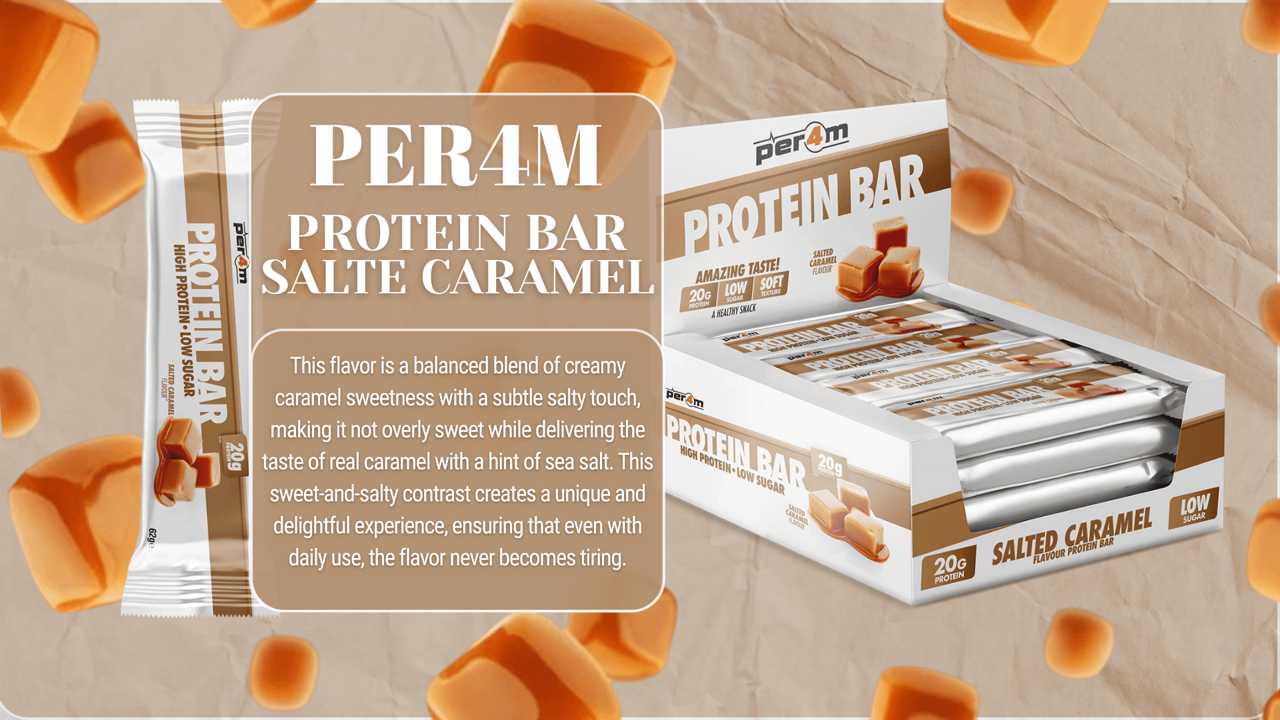
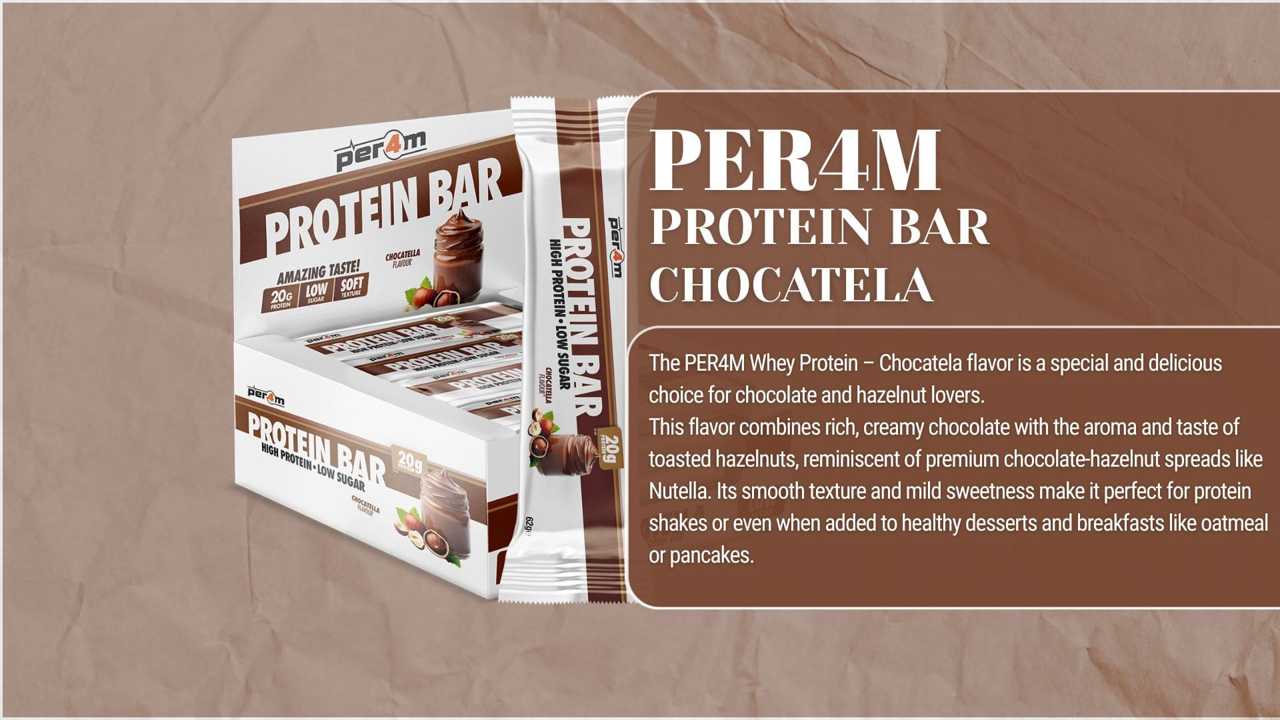
  • Chocatella: A unique blend of milk chocolate, hazelnut, and caramel.

  • Chocolate Brownie: Light and soft texture with a deep chocolate flavor.

For more flavor options, check out the website.

PER4M PROTEIN BAR LIST

Ingredients and Nutritional Value

These tasty snacks are formulated to meet the body’s nutritional needs and promote overall health, including:

  • Whey protein isolate and hydrolyzed collagen

  • Natural chocolate (milk or dark)

  • Low-sugar sweeteners such as stevia or sucralose

  • Dietary fibers for digestive health

Approximate Nutritional Value per 100g:

  • Energy: 320 kcal

  • Protein: 30–32 g

  • Fat: 9 g

  • Carbohydrates: 35–40 g (very low sugar)

  • Fiber: 8–9 g

  • Salt: <0.6 g


Pros and Cons of Per4m Protein Bars

Per4m-Protein-Bar-Cookies ‘N’ Creme High-Protein-Low-Sugar-62g

Pros:

  • Ideal post-workout or as a nutritious snack during the day

  • Supports muscle growth and recovery

  • No added sugar; suitable for diabetics and low-carb diets

  • Balanced texture—not too dry or too soft

  • Premium choice for an active lifestyle in Dubai’s top neighborhoods

Cons:

  • Some flavors may contain allergens such as soy, dairy, or nuts

  • Artificial sweeteners may not be suitable for everyone


Why Is Whey Protein Important?

Per4m bars contain whey protein, so it’s important to understand why whey is beneficial:

Scientific research shows that whey protein is rapidly digested, supports muscle growth, enhances post-workout recovery, helps prevent muscle breakdown, and positively affects athletic performance Learn more . 


Where to Buy Per4m Protein Bars in Dubai

You can purchase Per4m protein bars in Dubai at Protein for Life—both in-store across the city and online via our website or social media channels.


Frequently Asked Questions (FAQ)

With Per4m’s entry into Dubai, many questions have arisen:

1. Who are Per4m protein bars suitable for?
Athletes, busy individuals, those looking to lose weight, and anyone interested in their nutrition can enjoy these bars.

2. Are Per4m chocolates safe for diabetics?
Yes, thanks to their low sugar content and safe sweeteners. However, consult your doctor if needed.

3. Can I consume Per4m protein bars daily?
One to two bars per day—alongside a regular diet and exercise—should be fine. Balance is key.

4. How does whey protein compare to other protein sources?
Whey is one of the fastest, purest, and most complete protein sources, absorbed quickly and often more effective for athletes than plant proteins or casein.

5. Do Per4m protein bars contain gluten or soy?
Ingredients may vary by flavor; always check the product label if you have allergies.

6. Are other Per4m products available at Protein for Life?
Yes, you can access all Per4m products by visiting the dedicated Per4m page on our site.


Conclusion

Per4m protein bars combine excellent taste with superior nutrition, making them an ideal choice for anyone with an active lifestyle in cities like Dubai. These products are a smart solution for those who value health, fitness, and flavor.

Want to learn more about Per4m? Visit our Per4m dedicated page.

Per4m Official Website

What is Whey Protein: Types, Benefits, and Side Effects

Introduction to Whey Protein: Types, Benefits, and Side Effects

What Is Whey Protein?

Whey protein is a complete, fast-digesting protein derived from milk during the cheese-making process. With all the essential amino acids, especially leucine, whey protein is considered one of the most effective supplements for muscle building and recovery. Whether you are an athlete, a fitness enthusiast, or someone aiming to improve metabolic health, whey protein is a popular choice worldwide, including for those searching for high-quality protein whey in Dubai.

Source about how whey protein is made from milk, by Agropur


Types of Whey Protein:

There are three main types of whey protein, each offering unique benefits:

1. Whey Protein Concentrate

Contains some fat and lactose, is less processed, and is a budget-friendly option. It is a great starting point for beginners in the protein whey journey.
2. Whey Protein Isolate

Higher in protein and almost free from lactose and fat. Ideal for those who are lactose intolerant and want pure protein intake.

3. Whey Protein Hydrolysate

This pre-digested form allows for even faster absorption and is gentle on the stomach, making it a suitable option for people with sensitive digestion.


What Is Whey Protein? Benefits, Side Effects, and Uses

Benefits:

  • Muscle Growth: Stimulates muscle protein synthesis, especially after resistance training, making whey protein a top option for athletes and gym-goers.

  • Faster Recovery: Helps restore muscle function and minimizes soreness within 24 to 96 hours after intense exercise.

  • Weight Management & Lean Muscle Preservation: Increases satiety, helps preserve muscle during calorie restriction, and supports fat loss.

  • Improved Metabolic Health: May help control blood pressure, enhance vascular function, improve blood sugar levels, and support healthy cholesterol—especially important for people with type 2 diabetes.

  • Convenience: Easily consumable in shakes, smoothies, or recipes, making it perfect for busy lifestyles, especially for those looking for protein whey in Dubai.


Possible Side Effects:

  • Digestive Discomfort: Some may experience bloating or diarrhea, particularly with concentrate forms which contain more lactose. Opting for isolate or hydrolysate can help.

  • Kidney and Liver Concerns: For healthy individuals, whey protein is safe with moderate use. Those with pre-existing kidney or liver conditions should consult a healthcare professional.

  • Skin and Hormonal Effects: Rarely, excessive use may trigger acne or mood changes, but evidence is not conclusive.

  • Heavy Metals in Low-Quality Products: Always choose whey protein from reputable brands that provide third-party testing, especially when sourcing protein whey in Dubai.


Whey Protein vs. Other Proteins

Unlike casein, which digests slowly, whey protein absorbs rapidly, making it ideal after workouts. Compared to most plant-based options, whey protein provides a more complete amino acid profile for optimal muscle building and recovery.


Frequently Asked Questions

Is daily use safe?

Yes, for healthy individuals, using whey protein daily in appropriate amounts is considered safe. Individuals with kidney or liver issues should consult their doctor.

What if I am lactose intolerant?

Whey protein isolate or hydrolysate contains minimal lactose and is usually well-tolerated by lactose-intolerant individuals.

Who should use ?

  • Athletes and bodybuilders for muscle building

  • Seniors for maintaining muscle mass

  • Anyone who needs a convenient and high-quality protein source

  • Patients recovering from illness or surgery

How do I choose high-quality whey protein in Dubai?

Look for products that are tested by independent laboratories, made by reputable manufacturers, and clearly list their ingredients. For those in Dubai, choosing a trustworthy supplier is crucial.

Conclusion & How to Get the Best Whey Protein in Dubai

Whey protein is one of the best choices for anyone focused on improving health, increasing muscle mass, or supporting weight management. However, the quality and source of your protein whey play a key role in your results.

If you want expert advice and access to the world’s best-quality whey protein in Dubai, you can trust Protein for Life. Enjoy hassle-free guidance and premium products through both our website and via WhatsApp at 0555206867. Our team is ready to provide you with personalized consultation and help you choose the perfect protein whey for your needs.