Category Archives: supplement

Scientific review of egg white powder

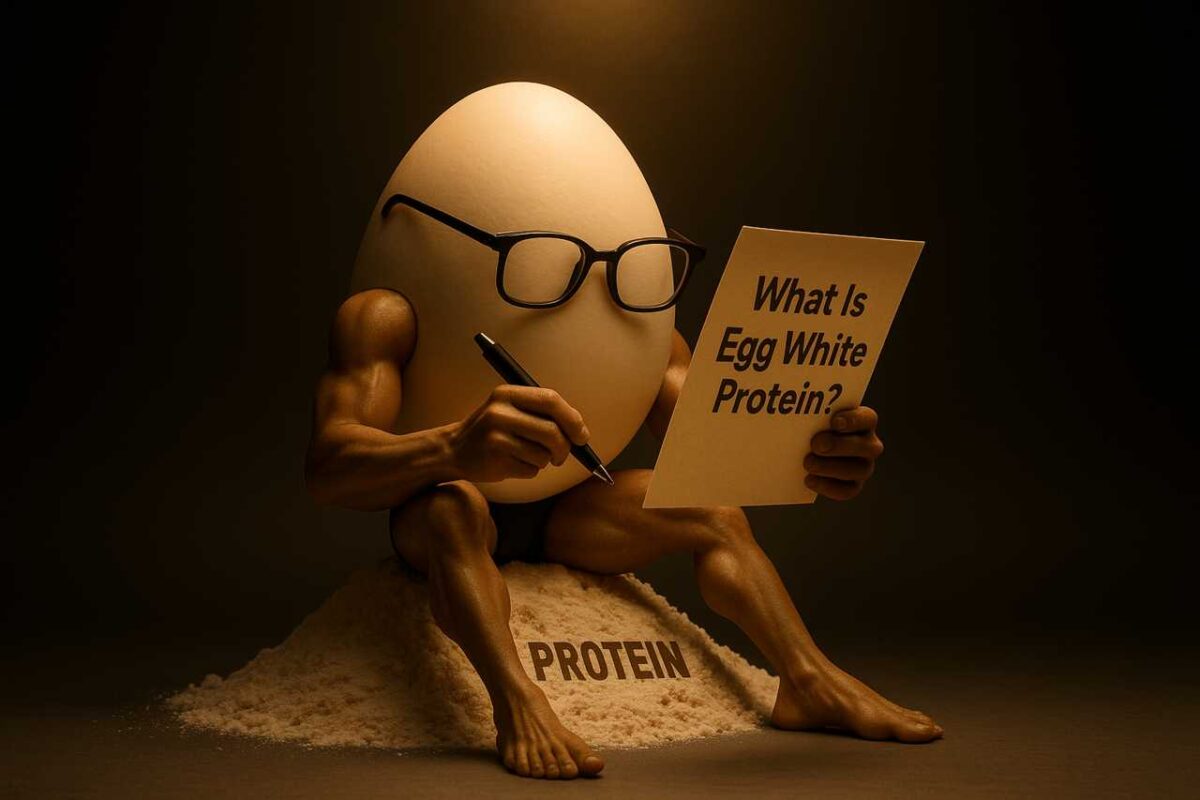
What-Is-Egg White-Protein

Scientific Review, Benefits, Applications, and Introduction to Egg White Protein Powder Supplements

Introduction

You’ve probably heard people say, “Eggs are the king of proteins!” Years ago, bodybuilders even tried to build muscle by drinking raw eggs like Rocky. Thankfully, you don’t need to do anything that extreme anymore. The world of sports nutrition has given you a much easier option: egg white protein powder.

This exciting supplement is becoming increasingly popular among athletes and even everyday people who simply want more protein in their diet. In this article, we’ll take a scientific and comprehensive look at this powder—from what it is and how it’s made, to its health benefits, ways to use it, how it compares to other proteins, and even some brands available in the market.

So if you want to improve your nutrition knowledge or find a new partner on your fitness journey, stay with us!

Headlines

  • What Is Egg White Protein?
  • Scientific and Health Benefits of Egg White Protein

  • Egg White Powder: What It Is and How It’s Produced

  • Comparison With Other Protein Sources

  • Popular Egg White Protein Powders Available in Dubai

  • Who Should Use This Supplement?

  • How to Use Egg White Protein Powder

  • Safety and Precautions

What Is Egg White Protein?
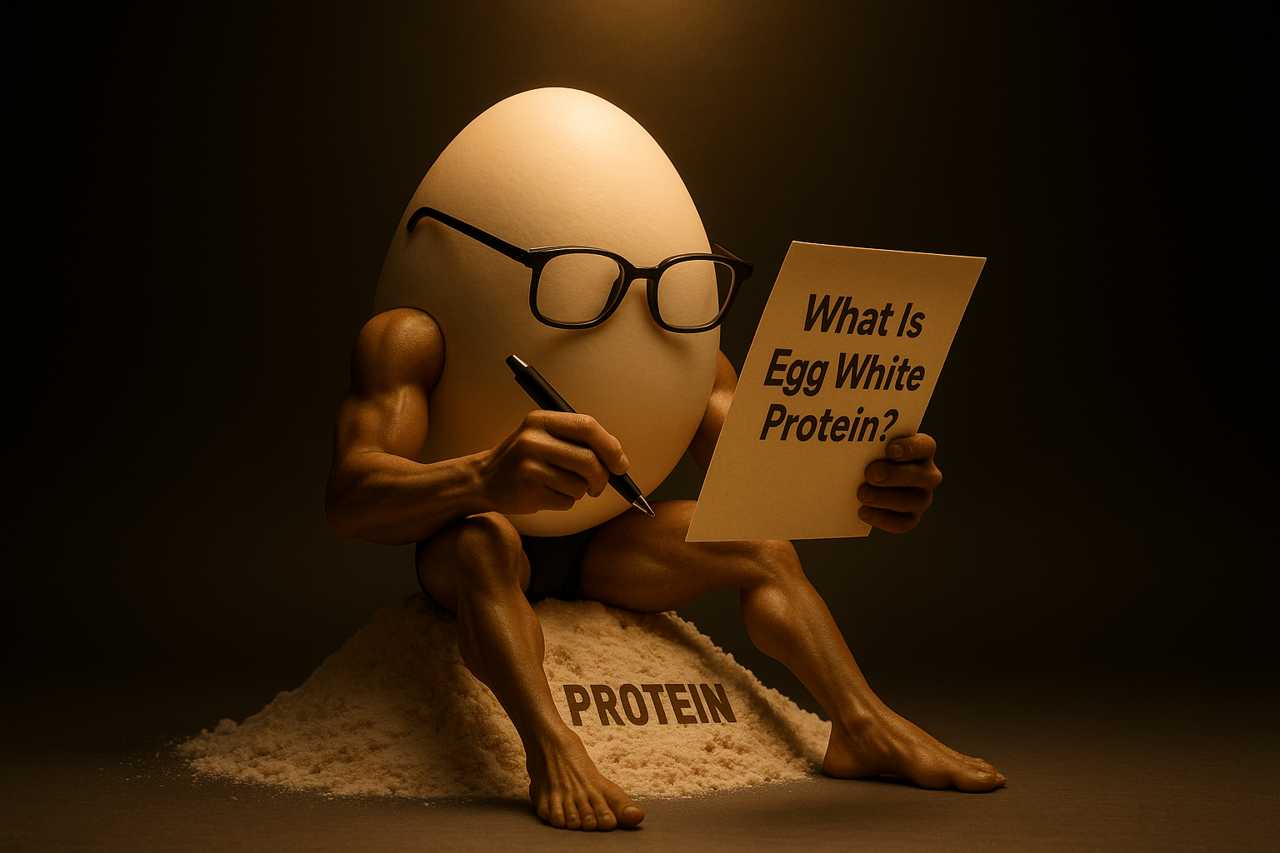
What-Is-Egg White-Protein

Egg white is the clear, colorless part of the egg surrounding the yolk. It’s mostly made of water (about 88%), and the remaining ~10% is protein with virtually no fat or cholesterol. Interestingly, about 56% of all the egg’s protein is found in the white.

The main proteins in egg white include albumin and several other high-quality proteins. When we say “high-quality,” we mean the human body can use them very efficiently. Egg white protein is one of the most complete natural proteins, containing all essential amino acids and being highly digestible. It actually has one of the highest biological values and digestibility scores among all proteins.

So when we talk about egg white protein powder, we mean a powder made from this nutrient-dense part of the egg.

Scientific and Health Benefits of Egg White ProteinScientific-and-Health-Benefits-of-Egg White-Protein

 

Now let’s get into the real question: What does this protein actually do for you? Tons of scientific research has investigated egg protein, and the results are impressive.

  • Muscle building and recovery:
    Egg white protein is excellent for muscle growth because it’s rich in branched-chain amino acids (BCAAs) like leucine. Research even shows that consuming ~20 g of egg protein after workouts can stimulate muscle protein synthesis similar to 20 g of whey protein.

  • Preventing muscle loss in aging:
    Muscle preservation isn’t just for athletes; everyone loses muscle with age (a condition called sarcopenia). Regular consumption of egg protein helps reduce muscle breakdown in older adults and supports strength and mobility.

  • Promotes satiety and weight management:
    If weight loss or appetite control is your goal, this protein is a great tool. Protein is naturally filling, but egg white protein stands out even more—helping you feel full for longer and reducing overall calorie intake.

  • Fat-free and heart-friendly:
    Unlike many animal proteins (like red meat or even egg yolk), egg whites contain no saturated fats or cholesterol. This makes it ideal for those concerned about heart health or cholesterol levels.

In short, egg white protein powder is a complete, high-quality protein that supports muscle building, prevents muscle loss, increases satiety, aids weight management, contains no fat or cholesterol, and even has some antimicrobial properties. Pretty great, right?

What It Is and How It’s Produced

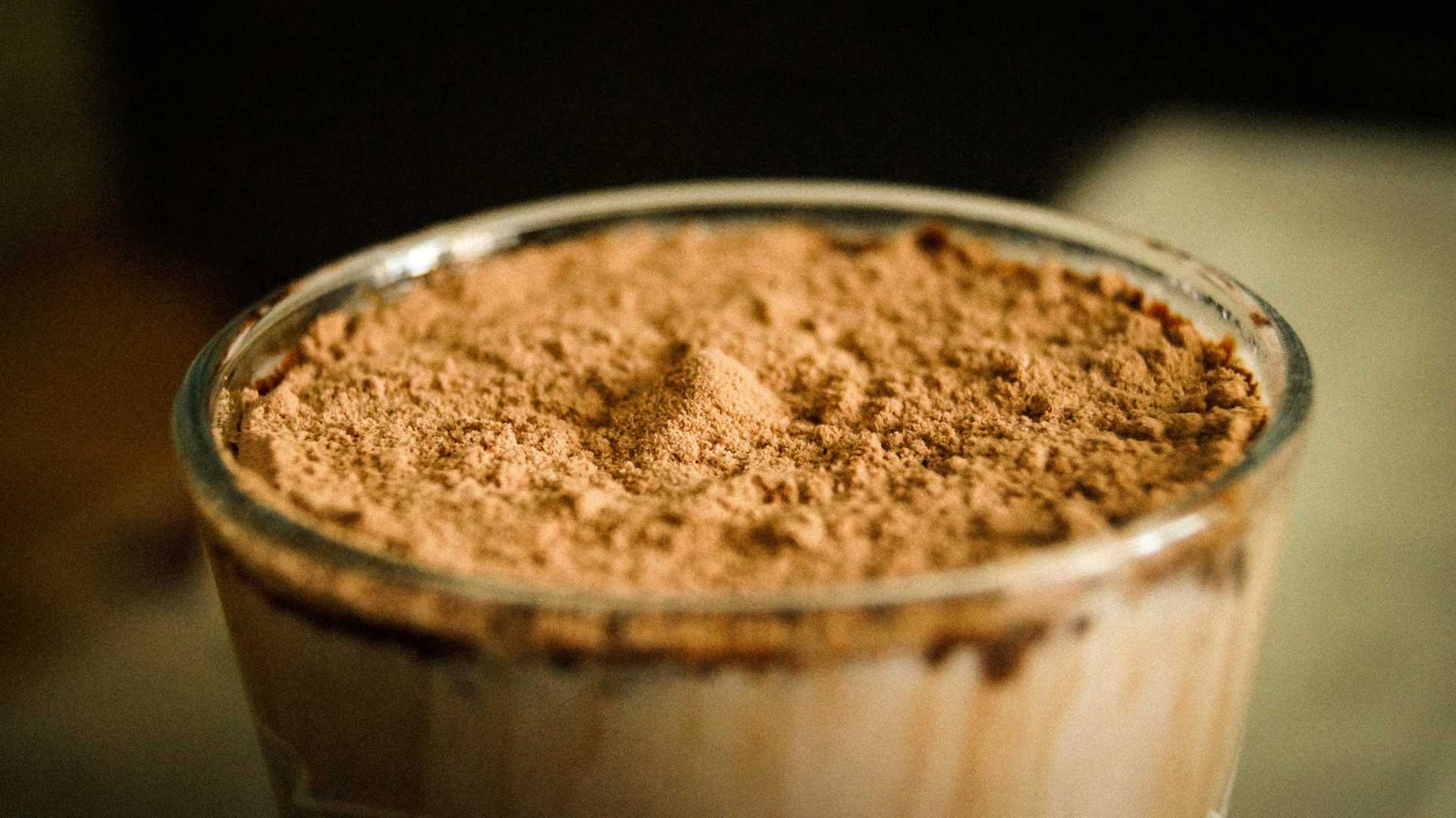
Egg white powder is simply dried egg whites turned into a stable, fine powder through industrial processes.

Production steps include:

  1. Eggs are cracked and separated.

  2. Liquid egg whites are filtered and pasteurized to kill bacteria such as Salmonella.

  3. The pasteurized liquid is dried using spray-drying, where the whites are sprayed into hot air, instantly removing moisture and turning them into powder.

The result is a white, fine powder that contains all the protein of egg whites—just without the water.

A major advantage is that egg white powder has a very long shelf life and requires no refrigeration, making it extremely convenient.

Comparison With Other Protein SourcesComparison-With Other-Protein-Sources

Let’s compare egg white protein to other popular protein supplements:

Egg White Protein vs Whey Protein

  • Digestive speed:
    Whey is fast-absorbing—great right after workouts. Egg white protein digests at a moderate speed, keeping you full longer and causing fewer digestive issues.

  • Lactose & sensitivities:
    Whey comes from dairy and may contain lactose, so it’s not ideal for people with lactose intolerance. Egg white protein is dairy-free and lactose-free, making it an excellent alternative.

Egg White Protein vs Casein

Casein digests very slowly (often used before bedtime). Egg white protein digests faster than casein but slower than whey—right in the middle. Again, egg white is lactose-free.

Egg White Protein vs Whole Eggs or Meat

Nothing replaces whole foods, but egg white powder is:

  • more convenient

  • higher in pure protein

  • free from cholesterol and fat

  • easier to store and use

  • great when you want high protein without extra calories

Popular Egg White Protein Powders Available in Dubai

Some egg white protein brands accessible in Dubai include:

Who Should Use This Supplement?

Who-Should-Use-This-Supplement

You may be wondering whether this supplement is right for you. Here are the people who benefit most from egg white protein powder:

  • Athletes and bodybuilders

  • People with lactose intolerance or dairy allergies

  • Those with sensitive digestion or bloating issues

  • People wanting a “clean” protein for weight loss

  • Cooks or anyone who enjoys healthy baking

  • Older adults or people recovering from illness

  • Lacto-ovo vegetarians

If you need more protein without added fat, calories, or dairy issues, egg white protein is an excellent choice. But if you’re allergic to eggs or a strict vegan, this supplement is not for you.

How to Use Egg White Protein Powder

One of its best features is how versatile it is:

  • Simple protein shake:
    Mix one scoop with water or milk (200–300 ml).

  • Add to smoothies:
    It blends well with fruit smoothies, chocolate-peanut butter blends, or green smoothies.

  • Add to daily meals:

    • Stir into cooked oatmeal

    • Mix with Greek yogurt

    • Add to mashed potatoes or soups at the end of cooking

  • Homemade snacks (protein balls or bars):
    Combine the powder with oats, nut butter, honey, cocoa, etc., to make high-protein energy bites or bars.

  • Baking & cooking:
    Add to pancake batter, waffles, cakes, or bread recipes to increase protein and improve texture.
    Rehydrated egg white powder can also be whipped into meringues, used in macarons, or used to coat foods before breading.

  • Egg substitute:
    Mix the powder with water to replace egg whites in recipes.

Safety and Precautions

Egg white protein is generally safe, but keep these in mind:

  • Allergies:
    Do not use if you have an egg allergy.

  • Kidney concerns:
    Healthy kidneys handle high-protein diets well, but if you have kidney issues, consult your doctor.

  • Buy from trusted brands:
    Always choose pasteurized, high-quality products.

  • Check ingredients:
    Some flavored powders may contain sweeteners or dairy derivatives.

  • Storage:
    Keep the powder in a cool, dry place and seal tightly.

Conclusion and Final Recommendation

In this article, we explored egg white protein powder from all angles—its composition, benefits, uses, comparisons, and safety guidelines. We saw that it’s a fantastic source of pure, high-quality protein that supports muscle building, preserves muscle during aging, aids weight control, and is gentle on digestion—all without the fats and cholesterol found in other animal proteins.

Thank you for staying with us!
Share your thoughts with us here.
Protein For Life is your trusted source for authentic, premium supplements in Dubai.
5 Vitamin and Mineral Supplements You Shouldn’t Take Together

Iron-and-Calcium

5 Vitamin and Mineral Supplements You Shouldn’t Take Together

Many questions arise about supplements: Are they harmful? Should we take them? Are they essential for our lives? Is long-term use okay? At Protein for Life, we answer all of these questions, but today’s discussion focuses on a different one: Which supplements should not be taken together? This is a very important topic. It’s true that supplements are designed and made to improve our health and wellness, but we must pay attention to how we use them—what dose we’re taking, if we’re even taking the right supplement for us, and which supplements we shouldn’t take together to avoid harming our bodies. In the following, I will introduce these supplements and explain why they shouldn’t be consumed together, so stay with me.

1. Iron and Calcium

Iron-and-Calcium

The first supplements you should avoid taking together are iron and calcium. Why? These two supplements compete with each other for absorption and effectiveness in our bodies, and they suppress one another. Calcium wins this struggle and reduces the absorption of iron in the body by 40 to 60 percent. This is especially important for people who suffer from iron-deficiency anemia and are taking iron supplements to compensate. If calcium is taken with their iron supplement, its effectiveness is severely reduced.

How to take iron and calcium together: It’s best to separate the consumption of iron and calcium by 3 to 4 hours. For example:

Taking iron on an empty stomach: Iron supplements are usually better absorbed on an empty stomach (in the morning, before breakfast). Taking calcium with food: Calcium supplements (especially calcium carbonate) are better taken with food or in the evening and at night. By observing this time gap, both minerals can be absorbed by the body effectively and to their maximum potential.

2. Iron and Zinc

Iron-and-Zinc

Taking iron and zinc supplements simultaneously can potentially reduce the absorption of both minerals, but this interaction is not as strong as the one between iron and calcium. The main reason for this interaction, like with calcium, is competition for absorption in the intestines.

Main reasons for the interaction: The main reason for the interaction between iron and zinc is that they use a similar transport system in the small intestine for absorption into the body. When both are consumed simultaneously and in high doses, they compete for the use of these transporters.

Effect of zinc on iron absorption: Studies show that high doses of zinc can interfere with iron absorption and reduce the effectiveness of iron supplements. Effect of iron on zinc absorption: The opposite is also true. High doses of iron can affect zinc absorption and reduce it. If you need both supplements, the best solution is to consult a doctor or pharmacist. They can provide a suitable timing for their consumption based on your health status and required dosage.

Recommended solution: To get better results, separate their consumption by 2 to 4 hours. It is suggested to take zinc with food and iron on an empty stomach.

3. Iron and Vitamin E

Which compounds can help maintain hormonal health

The issue of interaction between iron and vitamin E is a bit more complex than the interaction with calcium or zinc, and its mechanism is not fully clear. However, based on initial research and biological mechanisms, the main reasons why it is recommended not to take these two supplements together are:

Competition for absorption: Some evidence shows that they may interfere with each other’s absorption. This interference can disrupt the body’s absorption of vitamin E. Interference with antioxidant function: Iron can reduce the effectiveness of vitamin E in fighting oxidative stress. Effect on hemoglobin in premature infants: The simultaneous consumption of iron and vitamin E supplements has led to a weaker hemoglobin response to the iron supplement. Solution: Like with other interactions, the best way to ensure sufficient absorption of both substances is to take them with a time interval.

4. Vitamin B9 (Folic Acid) and Vitamin B12

Omega-3 Fatty Acids (Fish Oil): Anti-Inflammatory Ally

The main reason it’s recommended not to take folic acid (vitamin B9) and vitamin B12 together or in high doses is that it can mask the symptoms of a serious disease, which could lead to permanent nerve damage. To better understand this issue, we need to know the role of both vitamins in the body and the symptoms of their deficiency:

Vitamin B12: It is vital for two main functions: blood production and nerve function. Vitamin B9 (Folic Acid): It plays a role in the production and division of cells, especially red blood cells. Its deficiency also causes “megaloblastic anemia.” Where is the dangerous interaction?

The main risk: Taking high doses of folic acid hides the blood-related symptoms of vitamin B12 deficiency, while the nerve damage (which is irreversible) continues. The correct solution: To treat a vitamin B12 deficiency, you must take a B12 supplement itself. Taking high doses of folic acid on your own to treat anemia, without being sure of your body’s B12 status, is dangerous. Multivitamin supplements: In most standard multivitamins, the dosage of B12 and folic acid is balanced and usually does not cause a serious concern. This problem arises more often with the consumption of high-dose single supplements. Always consult a doctor before taking high-dose single-vitamin supplements, especially if you have symptoms of anemia, chronic fatigue, or nerve problems.

5. Whey Protein and Supplements Containing Calcium or Phosphorus

Reason for the interaction: Whey protein contains large amounts of phosphorus. Calcium and phosphorus compete with each other for absorption, and their balance in the body is very important. Effect of the interaction: Excessive consumption of phosphorus from whey protein can reduce calcium absorption. This interaction is especially important for people who are looking to strengthen their bones. Solution: You don’t need to stop taking whey protein. But if you are taking separate calcium or phosphorus supplements, consume them with a suitable time interval (at least 2 hours) from the whey protein.

Are Vitamins and Supplements Necessary During Pregnancy?

Are-vitamins-and-supplements-during-pregnancy-harmful-or-beneficial

Are vitamins and supplements during pregnancy harmful or beneficial?

Taking supplements during pregnancy is, in most cases, considered a necessary part of medical care and is usually recommended by obstetricians. They play a vital role in the growth and health of the fetus and help prevent anemia in the mother. We will go over these aspects in the following.

In this article, we will cover:

  • Are protein supplements safe during pregnancy?

  • Which supplements should not be taken during pregnancy?

  • Which supplements should be taken during pregnancy?

  • Should pregnancy supplements be continued during breastfeeding?

  • What is the best diet plan for pregnant and breastfeeding mothers?

Are-protein-supplements-safe-during-pregnancy?


Are protein supplements safe during pregnancy?

The best way to get protein is through natural foods like meat, chicken, fish, eggs, dairy, nuts, and legumes. We will later go over a diet that is suitable for both mother and fetus, but if the body’s needs are not met through food,
In short, consuming protein powders during pregnancy is not necessarily dangerous, but should be done with caution and under the supervision of a doctor to avoid any risks to the mother and baby. We’ll go into more detail on this:

Protein: A Vital Nutrient During Pregnancy

Protein is essential for the growth and development of the fetus, especially for the formation of critical tissues such as the brain, skin, and muscles. It also helps the mother’s body adapt, including the growth of breast and uterine tissue.

Why should protein powder consumption be approached with caution?

Are-protein-supplements-safe-during-pregnancy

In general, protein and protein consumption are beneficial and essential for the body, but the main concern lies in the additives and extra compounds, such as:

  • Artificial sweeteners: Some sweeteners like saccharin can cross the placenta and may be harmful to the fetus.

  • Unknown chemicals and fillers: Many supplements lack accurate labeling and may contain ingredients not approved for use during pregnancy.

  • Stimulants: Some protein powders contain stimulants like caffeine, which should be limited during pregnancy.

  • Heavy metals: In some cases, supplements may contain trace amounts of heavy metals due to the manufacturing process, which can be harmful to the fetus.

Conclusion

Protein powders can be a suitable option in situations where the mother cannot meet her protein needs through diet (such as in cases of severe nausea and vomiting). However,
To minimize risks related to protein supplement intake for both mother and fetus, it is recommended to follow these guidelines: prioritize organic and healthy protein-rich foods. If additional protein is needed, consult a doctor. Be sure to use high-quality, approved products and verify their authenticity.


Which supplements should NOT be taken during pregnancy?

Some supplements are banned or risky during pregnancy and should be avoided. The most important include:

  • Vitamin A (Retinol): Excess intake of Vitamin A can cause birth defects and liver damage in the mother.

  • Vitamin E: Some studies suggest that high doses of Vitamin E may increase the risk of premature rupture of membranes.

  • Herbal and medicinal supplements: Many herbal supplements are banned due to a lack of sufficient research on their safety during pregnancy.

  • Weight-loss and sports supplements: Some of these supplements may contain harmful or unapproved substances.

  • Supplements with unknown ingredients: Especially those not regulated by health authorities, as they may contain heavy metals, contaminants, or harmful additives.


Which supplements Should be taken during pregnancy?

1. Folic Acid

  • Why is it essential? Folic acid (or folate) plays a critical role in preventing serious birth defects in the brain and spinal cord (like neural tube defects).

  • When should it be taken? It’s best to start taking folic acid one to three months before pregnancy and continue until the end of the 16th week of pregnancy. If the pregnancy is unplanned, it should be started immediately upon finding out.

2. Iron

  • Why is it essential? The body’s iron needs nearly double during pregnancy. Iron is essential for red blood cell production, oxygen delivery to the fetus, and preventing maternal anemia. Severe anemia can increase the risk of preterm labor and low birth weight.

  • When should it be taken? Iron supplements are usually prescribed by the doctor starting in the second trimester.

3. Vitamin D

  • Why is it essential? This vitamin aids in calcium absorption and is vital for the development of bones and teeth in the fetus, and for maintaining maternal bone health. A deficiency can increase the risk of preeclampsia, gestational diabetes, and preterm birth.

  • When should it be taken? Due to the high prevalence of vitamin D deficiency, supplementation is usually recommended before and during pregnancy.

4. Calcium

  • Why is it essential? Calcium is crucial for forming strong bones and teeth in the fetus. If not enough calcium is consumed through diet, the mother’s body will pull it from her bones, potentially leading to reduced bone density.

  • When should it be taken? If dietary calcium intake is insufficient (e.g., from dairy), your doctor may prescribe a calcium supplement.

5. Iodine

  • Why is it essential? Iodine is vital for proper thyroid function in the mother and for the development of the baby’s nervous system and brain. Deficiency can lead to hypothyroidism in the fetus and developmental delays.

6. Omega-3

  • Why is it essential? Omega-3 fatty acids, especially DHA, are critical for the baby’s brain and vision development.

  • When should it be taken? It is beneficial throughout pregnancy. If you don’t eat fatty fish regularly, you may need to take a supplement.

Many doctors recommend prenatal multivitamins to ensure all nutrient needs are met. Again, always consult a physician before starting any supplement.


Should pregnancy supplements be continued during breastfeeding?

Yes, taking supplements during breastfeeding is just as important as during pregnancy. A mother’s body needs more nutrients to produce high-quality milk and maintain her own health. The supplements mentioned for pregnancy also support the mother’s health and the quality of breast milk during the postpartum period.


What is the best diet plan for pregnant and breastfeeding mothers?

What-is-the-best-diet-plan-for-pregnant-and-breastfeeding-mothers

The best diet plan for pregnant and breastfeeding mothers is a balanced and varied one that meets all the body’s nutritional needs for fetal development and quality milk production.

General principles of a healthy diet:

  1. Protein sources: Lean meat, chicken, fish, eggs, legumes (lentils, beans), nuts, and dairy

  2. Carbohydrates: Whole grain bread and cereals, brown rice, vegetables, and fruits

  3. Healthy fats: Avocados, nuts (walnuts, almonds), seeds (flaxseed, chia), and olive oil


Tips for each phase:

During pregnancy:

  • Managing morning sickness: Eat small, frequent meals and avoid fatty or spicy foods.

  • Staying hydrated: Drink at least 8 to 10 glasses of water per day.

  • Avoiding risky foods: Stay away from undercooked foods such as sushi or rare meats, as they may contain harmful bacteria.

During breastfeeding:

  • Increased calories: Your body needs more calories to produce milk. Try to include nutrient-dense, energy-rich foods in your main meals and snacks.

  • Increased fluids: Drink plenty of water and fluids to ensure sufficient milk supply.

  • Watch for baby’s reaction: Some foods (like cabbage, broccoli, onions) may cause gas in babies. If your baby becomes fussy after you eat a certain food, try eliminating it from your diet.

Which products women should definitely use and what they are for

Which products women should definitely use and what they are for

Which products should women definitely use, and what are they for?

Which products women should definitely use and what they are for

In the world of vitamins and supplements, there are many products suitable for women—whether athletes, homemakers, or working professionals. Women-specific supplements and vitamins differ from other products in several key ways, mostly related to physiological needs, hormones, and lifestyle:

Which nutrient compounds are used in women’s supplements and vitamins

women's-supplements

Compounds considered for women usually contain:

  • Iron: Women of reproductive age need more iron due to monthly blood loss.

  • Calcium and Vitamin D: More attention is given to maintaining bone health and preventing osteoporosis.

  • Vitamin B12

  • Folic acid and other B vitamins: Important for energy and nervous system health.

How beauty supplements and vitamins help rejuvenate and enhance women’s appearance

How beauty supplements and vitamins help rejuvenate and enhance women's appearance

Many women’s supplements contain biotin, collagen, and vitamin E to support the beauty of skin, hair, and nails. But to look more precisely:

1. Skin health and wrinkle reduction:

  • Vitamin C: Increases collagen synthesis and protects the skin from free radical damage.

  • Vitamin E: A powerful antioxidant that helps reduce skin inflammation and prevents premature aging.

  • Oral collagen: Taking collagen supplements can improve skin elasticity and softness and reduce wrinkles.

2. Hair strengthening and preventing hair loss

  • Biotin (Vitamin B7): Strengthens hair follicles and promotes natural hair growth.

  • Zinc: Prevents hair loss and maintains scalp health.

  • Vitamin D and Iron: Deficiency in these nutrients can lead to hair loss, so adequate intake is essential.

3. Nail health

  • Biotin and B-complex vitamins: Strengthen nails and prevent brittleness.

  • Omega-3: Helps maintain nail moisture and overall nail health.

4. Antioxidants and cell protection

  • Supplements containing antioxidants such as Vitamins C, E, and Selenium protect skin cells from environmental damage like pollution and UV exposure and slow the aging process.

5. Increasing vitality and energy

  • B vitamins and iron help energy production and make the skin and overall appearance look fresh and healthy.

Which compounds can help maintain hormonal health

Which-compounds can-help-maintain hormonal-health

Women’s hormonal health greatly affects energy, mood, skin, hair, and even body weight. Some natural and vitamin compounds can help balance hormones. The most important supplements and vitamins for women’s hormonal health include:

  • Vitamin D: One of the most important vitamins for women, helping regulate sex hormones (estrogen and progesterone), reproductive health, metabolism, and menstrual cycle regulation.

  • B vitamins: Vitamins B6, B12, B3 (niacin) are influential in the production, regulation, and balance of hormones, especially estrogen and progesterone.

  • Zinc: Important for thyroid hormone production, estrogen and progesterone regulation, and reducing PMS symptoms. Adequate zinc levels improve fertility and menstrual health.

  • Magnesium: Supplements or magnesium-rich foods like nuts and leafy vegetables help reduce stress, menstrual pain, support uterine health, and modulate female hormone function.

  • Omega-3: Omega-3 fatty acids help regulate body inflammation and improve sex hormone function. Omega-3 supplements or consumption of fatty fish, walnuts, and chia seeds are recommended.

  • Vitamin C: Supports adrenal glands, cortisol production (stress hormone), fertility, and ovarian health. Supplementation or fresh fruit intake is recommended.

  • Some compounds such as Vitamin B6, magnesium, and zinc can help balance hormones and reduce PMS symptoms.

  • Other vitamins like E and A also contribute.

Products designed to support women’s fertility

  • FemiBest, Eva Plus, Ovehill, Evazitol, Inopregna, Oofit, EvaHealth, Pregnazon: Their formulations typically include Vitamin D, folic acid, B vitamins, Omega-3, zinc, selenium, CoQ10, and antioxidants. Each helps regulate the menstrual cycle, improve egg quality, balance hormones, reduce PCOS symptoms, and support fetal growth.

  • OvaBoost supplement: Contains CoQ10, B vitamins, Vitamin C, zinc, selenium, supporting egg quality.

  • Fertile Aid for Women: Includes Vitamin D3, Vitamin E, Vitamin A, ginseng, iron; improves ovarian function and hormone regulation. Available in 90–120 tablet daily packs.

  • FertileCM: Contains folic acid, arginine, CoQ10, Vitamin E; improves ovulation, supports healthy fetal growth, and increases fertility chances.

General features of fertility products

Feature Product description
Hormone regulation Vitamin D, zinc, inositol, iron, gender-specific herbal ingredients
Improving egg and sperm quality Antioxidants, Omega-3, folic acid, selenium, CoQ10, B vitamins
Increasing sperm count, motility, and health Arginine, L-carnitine, zinc, CoQ10, Vitamins C and E
Reducing oxidative stress Antioxidant compounds such as selenium and Vitamins E and C
Supporting fetal growth Folic acid, B vitamins, iron
Free from serious side effects Many reputable products are free from serious side effects and produced under license. Dosage and composition differ for women compared to general supplements:

The amount and ratio of nutrients are adjusted to meet women’s needs without excessive intake. However, it is recommended that all supplements, vitamins, and medicines be used under medical supervision for better and safer results.

For more information about your body and to prevent common women’s health issues, I recommend reading the article :  What is a Urinary Tract Infection (UTI) | Medical and Home Treatments

Final note

With a healthy diet and high-quality supplements, combined with proper physical activity, you can maintain your health, beauty, and vitality at all stages of life—like a young woman. For medicines, vitamins, and supplements, always consult your doctor as much as possible. Contact us for a free consultation.

Choosing the Right Drink for Performance and Health in Dubai

Welcome! Why This Article Matters

Whether you’re pushing your limits at the gym, training outside in Dubai’s heat, or just looking to enhance your post workout routine, knowing the difference between energy drinks and sports drinks can transform your fitness journey. This guide is for YOU—the active Dubai resident looking for safe, effective, and authentic supplements (side effect free and certified), whether you’re a man or woman chasing lean mass, dry muscle, or just a better workout. Let’s dive in!

What’s a Sports Drink—and How Is It Different from an Energy Drink?

Sports drinks are made to help your body stay hydrated, replace lost electrolytes (like sodium and potassium), and give you a quick source of energy during long or intense workouts. Think of them as partners for endurance and recovery.

Energy drinks, though, are mostly about quickly increasing energy and focus. They pack a big caffeine punch, often have extra stimulants, and a sweet taste. While they can wake you up, they’re not meant for hydration or replacing what you lose through sweat.

The Bottom Line:

  • Sports drinks: Best for hydration and performance during extended & sweaty activity.

  • Energy drinks: For a rapid mental boost, not physical hydration.


Who Should Actually Use Sports Drinks?

  • Athletes doing workouts or games that last over 60–90 minutes.

  • Anyone training outdoors in Dubai’s high heat.

  • Those looking for the fastest way to improve lean mass or dry muscle without unwanted side effects (using lab tested, certified options).

  • These are NOT for most kids or teenagers unless a doctor recommends it.


When’s the Right Time to Use a Sports Drink? Before, During, or After?

  • Before exercise: 1–2 hours pre-workout for prolonged events or tough sessions.

  • During exercise: Sip every 15–20 minutes if you’re working out longer than an hour or sweating a lot.

  • After exercise (post workout): Drink right after you’re done to help your muscles recover and rehydrate fast.

In Dubai’s weather, proper hydration is crucial. Certified and heat-friendly supplements are your best friends for peak performance.


Can Sports Drinks Make You Gain Weight?

Yes—if you’re not sweating it out for over an hour, drinking sugary sports drinks regularly can add up to unwanted calories. Many bottles have over 130 calories and lots of sugar. Studies show non-athletes drinking them daily tend to gain more weight over time67.

Tip: Unless you’re doing intense activity, stick to water or sugar-free options!


Are Sports Drinks Safe for Kids and Teens?

No, unless they’re training like pros!

  • Many experts say regular water or milk is best for kids—even active ones.

  • Too many sugary sports drinks can cause weight gain, tooth decay, and even high blood pressure in young people.

  • Energy drinks are not safe for anyone under 16 due to their high caffeine.

Dr. Maria Morgan, Professor at Cardiff University:

“Water or milk is sufficient to hydrate active children. High-sugar sports drinks are unnecessary for children and most adults.”8


Real Results: Sports Drinks vs. Plain Water

Here’s what field tests show:

  • In long or high-intensity workouts (especially in Dubai’s heat), sports drinks with electrolytes help maintain performance better than water alone—they replenish what you sweat out, keeping you going longer.

  • For workouts under an hour, water is usually all you need.


Are There Sports Drinks for Women? (Collagen & Hyaluronic Acid Options)

Yes!
Many modern sports drinks are made with women in mind—blending electrolytes with beauty-boosting collagen or hyaluronic acid. These support your skin, joints, and recovery, making them ideal post workout. Look for lab tested, certified choices—these are safe for both women and men.


Top Hydration Picks for Hot Outdoor Workouts in Dubai

Dubai heat is no joke! For exercising outside, choose heat-friendly, authentic supplements loaded with key electrolytes. What works?

  • Drinks with extra sodium, potassium, and calcium (and not too much sugar).

  • Coconut water (no sugar added), lactose-free milk, or herbal iced teas also hydrate well with fewer calories.

  • Always check labels for certified, lab tested products.

The Best Sugar-Free Sports Drinks for Athletes on a Diet

Are you watching your calories but still want results? Try these side effect free, sugar-free options:

  • ABE Sugar Free

  • C4 Zero

  • Body Fule No Sugar

  • Ryse Fule Sugarless
    These brands help keep energy up, support lean mass and dry muscle growth, and are all certified and lab tested16.

Meet Dubai’s Favorite Authentic Sports Drinks

Brand Type Key Features Best For
ABE Energy & Sports High caffeine, sugar free, side effect free Pre-workout, all genders
FULE Energy Fast recovery, lean mass, authentic supplement Before/during training
RYSE FULE Energy & Sports Sugar free, certified, lab tested During competitions
MILLIONS BODY FULE Sports (w/ collagen) Protein, collagen, ideal post workout Especially women, also men
C4 Energy & Sports Controlled caffeine and sodium, certified Hard workouts
C5 Energy Stamina, dry muscle, heat-friendly Outdoor sports in Dubai
BOND MAXIMUM Energy No sugar, no additives, fast rehydration For men and women
These authentic supplements are designed to be safe, effective, and suitable for goals like lean mass gain, dry muscle, and post workout recovery—perfect for men and women in Dubai.

Quick Tips Before You Choose

  • Sports drinks are not energy drinks! Only use what’s right for your workout.

  • Dubai’s heat means you need extra hydration. Rely on certified, heat-friendly, lab tested drinks for outdoor training.

  • Sugar-free is best, unless your workouts are super long or tough.

  • Ladies: Collagen and hyaluronic acid sports drinks now have you covered!

  • Kids and teens: Always stick to water or milk—save sports/energy drinks for special cases ONLY.

  • Always buy authentic, certified products. Your health and performance matter most.

Expert tip:
“Sports drinks were designed to rehydrate hardworking athletes and to replace the salts and sugars lost in exercise. They aren’t for casual sipping.”
— Dr. Nancy Rehrer, Sports Science Researcher, Obesity Journal6

Ready to upgrade your hydration game? Explore Dubai’s best Energy Drink and Sports Drink IN DUBAI from trusted, certified brands for truly side effect free, results-driven performance—no matter your fitness level or goal.

Final Verdict

In conclusion, sports drinks and energy drinks serve different purposes: sports drinks hydrate and replenish electrolytes during intense or long workouts, while energy drinks boost mental alertness. For optimal performance—especially in Dubai’s heat—choose certified, sugar-free, and heat-friendly sports drinks tailored to your training needs. These drinks support lean muscle and recovery safely and effectively. Avoid giving these drinks to children or casual users. By selecting authentic and lab-tested products, you can enhance your workout results and stay healthy.

PROTEIN FOR LIFE 

Are Supplements Harmful? Facts You Should Know Before You Take Them

Are Supplements Harmful? Facts You Should Know Before You Take Them

Are Supplements Harmful?

In recent years, dietary supplements have become an inseparable part of many people’s lifestyles. From multivitamins to protein powders and herbal capsules, millions rely on supplements to improve health, boost athletic performance, or fill nutritional gaps.

But one essential question always arises:
Are supplements harmful?

In this comprehensive article, we’ll explore what supplements are, their potential benefits and risks, expert opinions from around the world, and how to use them safely. Whether you’re an athlete or someone who cares about your body and well-being, this guide will help you make better-informed decisions.


What Is a Supplement?

According to the U.S. Food and Drug Administration (FDA), a dietary supplement is a product intended to supplement the diet and may contain one or more of the following:

  • Vitamins

  • Minerals

  • Amino acids

  • Herbs or botanical extracts

  • Enzymes or probiotics

Supplements come in various forms such as pills, capsules, powders, beverages, bars, and liquid drops.


Benefits of Supplements

  1. Filling Nutritional Gaps:
    Ideal for people with restrictive diets or vitamin deficiencies.

  2. Enhancing Athletic Performance:
    Supplements like whey protein, creatine, and BCAAs support muscle growth, endurance, and recovery.

  3. Targeted Health Goals:

    • Omega-3: Heart health

    • Calcium & Vitamin D: Bone strength

    • Iron: Treating anemia


Are Supplements Harmful?

Supplements aren’t inherently harmful—but they can become dangerous when misused, overdosed, or sourced from poor-quality brands.

 Common Risks:

  • Overdose & Toxicity:
    Fat-soluble vitamins like A, D, E, and K can build up in the body and lead to toxicity if over-consumed.

  • Drug Interactions:
    For example, St. John’s Wort can interfere with antidepressants or birth control pills.

  • Contamination:
    Some low-quality supplements may contain heavy metals, banned substances, or undeclared drugs.

Real Case:
A 2015 study published in JAMA Internal Medicine found that over 23,000 ER visits in the U.S. each year are linked to dietary supplement-related adverse events.
Source: Geller AI, JAMA Intern Med. 2015;175(2):208–210


What Do Experts Say?

  • Dr. Pieter Cohen (Harvard Medical School):
    “Most people don’t need supplements if they follow a healthy diet. Some supplements can be harmful if taken improperly.”
    Source

  • Dr. Michael Greger (Author of How Not to Die):
    Advocates a whole-food, plant-based diet and recommends Vitamin B12 and D in cases of deficiency.

  • World Health Organization (WHO):
    Advises supplement use only in confirmed deficiency or special medical conditions.
    WHO Guidelines


How to Take Supplements Safely

  1. Always consult a doctor or registered dietitian before use.

  2. Read the “Supplement Facts” label carefully.

  3. Avoid megadoses unless prescribed.

  4. Choose brands with third-party certifications like NSF or USP.

  5. Ignore misleading terms like “all-natural” or “miracle cure.”


How to Read Supplement Labels

  • Serving size and servings per container

  • Amount of active ingredients and % Daily Value

  • Other ingredients (binders, flavors, colors)

  • Manufacturer’s name and contact details

  • Third-party certifications (e.g., NSF, USP)

For a full guide, refer to the NIH Supplement Labeling Resource


What Is the Best Multivitamin for the Body?

The best multivitamin depends on your:

  • Age

  • Gender

  • Dietary habits

  • Activity level

  • Health goals (e.g., muscle gain, weight loss, immune support)

Qualities of a Good Multivitamin:

  • Contains essential vitamins and minerals in balanced doses

  • Free from harmful additives or contaminants

  • Certified by independent labs (NSF, USP, etc.)


Top Multivitamin Brands (2024)

Brand Highlights Certification
Optimum Nutrition Trusted worldwide, known for Gold Standard Whey Informed-Choice Certified
Dymatize Fast absorption, clinically tested, athlete-focused Informed-Sport Certified
Applied Nutrition UK-based, advanced formulas, banned substance tested Informed-Sport Certified

Conclusion

Supplements can support your journey toward better health and physical performance—but only when used wisely, scientifically, and responsibly. No supplement can replace a balanced diet and healthy lifestyle—it can only complement them.


Key Takeaways:

  • Supplements can be beneficial if used correctly

  • Misuse or overuse can be harmful

  • Always consult a professional before use

  • Prioritize whole food nutrition

  • Choose trusted, certified brands only

For original, certified, and safe supplements, visit ProteinForLife—your reliable source for quality sports nutrition.

Vitamins in Daily Life: What You Should Know for Better Health

The Best Multivitamin for the Body: What It Does, How It Works, and What Experts Say

The Importance of Vitamins in Our Daily Lives

Best Multivitamin for the Body

The Best Multivitamin for the Body: What It Does, How It Works, and What Experts Say

Introduction

In the modern world, where fast food, high stress, and environmental challenges have become part of everyday life—especially in dynamic cities like Dubai—the importance of maintaining proper vitamin intake is more relevant than ever. Vitamins are not simply “optional” nutrients; they are the silent drivers behind energy, recovery, focus, and long-term wellness. Yet, for many, the topic of vitamins still feels overwhelming. What do we really need? How do we get them? Are supplements safe? This article is designed to bring clarity, offering you a complete yet easy-to-understand overview of why vitamins matter, how they work, and how to make the right choices.


Why Do We Need Vitamins?

Vitamins are essential compounds that the body cannot produce in sufficient amounts on its own. From regulating metabolism and hormone balance to building strong bones and supporting brain function, they keep your body running efficiently. Deficiencies, even minor ones, can lead to fatigue, weakened immunity, mood swings, or poor skin and hair quality. In hot climates like Dubai, nutrient loss through sweat and sun exposure further increases the need for a well-balanced intake.


Food vs. Supplements: Can Diet Alone Be Enough?

The Best Multivitamin for the Body: What It Does, How It Works, and What Experts Say

A balanced, nutrient-dense diet is the foundation of health. However, modern lifestyles—busy workdays, skipping meals, limited fresh food access—make it difficult to consistently meet our daily vitamin needs. While foods like leafy greens, fish, dairy, and eggs provide many key vitamins, most people still fall short. That’s where multivitamin supplements come in: they fill the gaps, especially for active individuals, older adults, and anyone under high stress or with specific dietary restrictions.


Understanding Multivitamins: Best Multivitamin for the Body & What They Actually Do

The Best Multivitamin for the Body: What It Does, How It Works, and What Experts Say

Multivitamins are carefully formulated combinations of vitamins, minerals, and sometimes other nutrients like Omega-3, L-Carnitine, or Ashwagandha Root. They support your entire body—boosting immunity, brain clarity, energy, bone strength, and even skin and hair health.

How the Body Responds Over Time:

  • Day 1–2: Water-soluble vitamins like B-complex and C are quickly absorbed. You might notice a slight energy boost.
  • Week 1: Better metabolism and immune response start kicking in.
  • Month 1: Improvements in sleep, skin, hair, and focus become more noticeable.
  • After 3 Months: Stronger bones, better stamina, faster muscle recovery (especially post-workout), and overall improved well-being.

Best Multivitamin for the Body in Dubai , UAE

The following multivitamins are well-regarded for their formulation, purity, and availability in the UAE market:

Brand Highlights Where to Buy
Laperva Multivitamin Halal, UAE-formulated, athletic-friendly ProteinForLife.ae
Garden of Life – MyKind Organics Certified organic, vegan Dubai pharmacies & online
Optimum Nutrition Opti-Men/Women Fitness-oriented, high B-complex Amazon UAE
Solgar VM-75 Premium quality, chelated minerals Life Pharmacy, Aster
Centrum Adults Affordable, scientifically supported Carrefour, Boots UAE

Who Should Take a Multivitamin in Dubai?

  • Busy professionals with unbalanced meals

  • Fitness lovers and bodybuilders with high nutrient demand

  • Older adults to maintain cognitive, heart, and bone health

  • Women of childbearing age or pregnancy

  • Vegans/vegetarians missing B12, iron, and omega-3

  • Anyone with digestive issues, stressful lifestyle, or low sun exposure


Choosing the Best Multivitamin for the Body in Dubai

Not all supplements are created equal. In the UAE, where heat, lifestyle, and dietary preferences vary, it’s important to look for:

  • Certified, lab-tested, halal formulations
  • At least 20 active nutrients including D3, B12, Iron, Zinc, Omega-3
  • Options tailored for women, men, athletes, or seniors
  • Brands trusted locally like Laperva, Garden of Life, and Centrum

Tip: Avoid mega-doses unless prescribed, and always buy from trusted sources like pharmacies or reputable websites (e.g., ProteinForLife.ae).


Common Questions, Answered

  • What vitamin helps with leg pain? Vitamin D3, Magnesium, and B12.
  • What supports hair health? Biotin, Vitamin E, Omega-3, and Zinc.
  • What foods cover all 13 vitamins? None individually, but combinations like eggs, liver, greens, and dairy come close.
  • How to test for deficiency? Blood tests for D3, B12, Ferritin, and more.
  • Is there a best multivitamin for women? Yes—look for those with Iron, Folate, D3, and B-Complex, tested and certified for women.

Vitamins for Different Lifestyles and Sports

Even though all vitamins are essential, some are more beneficial depending on your lifestyle or the sport you play:

  • Endurance sports (running, cycling, swimming): B-Complex (for energy), Vitamin C (immunity), Magnesium (muscle function)
  • Strength training (weightlifting, bodybuilding): Vitamin D3 (muscle recovery), Zinc (testosterone support), L-Carnitine + HMB (lean muscle)
  • Yoga, Pilates, and flexibility-based sports: Vitamin E (cell recovery), Ashwagandha (stress and cortisol regulation), Omega-3 (joint support)
  • Team sports (football, basketball): Iron (oxygen transport), Vitamin B12 (focus and nerve health), Vitamin C (immune resilience)

For people who don’t exercise regularly, certain vitamins help maintain general well-being:

  • Vitamin D3: for bone health and mood
  • B-Complex: for energy and stress management
  • Omega-3: for heart and brain health
  • Magnesium: for sleep and muscle relaxation

Taking the right vitamins—even with a less active lifestyle—can help prevent long-term health issues and maintain vitality.


Final Thoughts: A Smart Start for Better Health

Starting a vitamin routine doesn’t need to feel confusing. Think of it as building a safety net—one that protects your energy, immune system, focus, and long-term vitality. Begin with a balanced diet, supplement wisely, and choose products that match your needs and lifestyle. In places like Dubai, where life moves fast and heat adds nutritional stress, investing in proper vitamin support is not just smart—it’s essential.

Start simple. Stay consistent. Feel the difference.

What Are Amino Acids? |  How to Buy Amino Acids in Dubai

What Are Amino Acids? A Complete Beginner’s Guide | How to Buy in Dubai

What Are Amino Acids? A Complete Beginner’s Guide | Amino Acid, Protein for Life & How to Buy in Dubai

If you’re new to fitness, healthy living, or simply looking to take better care of your body, one of the first terms you’ll come across is amino acid. These tiny but powerful building blocks play a huge role in how your body functions—from muscle growth to mood, energy, and recovery.

In this comprehensive guide, we’ll explain what amino acids are, why they matter, introduce all related supplement types, and tell you how to buy amino acids in Dubai safely. Whether you’re training hard or just beginning your health journey, this article is your go-to reference.


 What Are Amino Acids?

Amino acids are organic compounds that combine to form proteins. Think of them as the “Lego blocks” of your muscles, hormones, enzymes, and even your immune cells. There are 20 amino acids in total, 9 of which are called essential amino acids because the body cannot make them on its own—they must come from your diet or supplements.

Without enough amino acids, your body struggles to build or repair tissue, especially after exercise. That’s why Protein for Life and other leading health brands develop high-quality amino acid supplements for both athletes and beginners.


 Why Are Amino Acids Important?

Amino acid supplementation is crucial for anyone involved in physical activity, dealing with stress, or on a calorie-restricted diet. Even if you’re not an athlete, amino acids contribute to overall well-being and energy.

Key benefits of amino acids:

  • Promote muscle growth and recovery

  • Prevent muscle breakdown during workouts

  • Boost energy and mental focus

  • Support the immune system

  • Help with fat loss while preserving muscle

  • Aid digestion and gut health (especially glutamine)

If you’re aiming for a healthier lifestyle or better workout results, amino acid supplements are one of the best tools to include in your daily routine.


Fruits That Contain Amino Acids (and Other Natural Food Sources)

If you’re looking to get amino acids naturally through food and not supplements, many foods—especially protein-rich ones—are great sources. While fruits aren’t the richest sources, some do contain small amounts of essential and non-essential amino acids.

lemon

Main Food Sources Rich in Amino Acids

To get a complete set of essential amino acids, you should focus on these foods:

Animal-Based Foods (Complete Proteins):

  • Red meat (beef, lamb)

  • Poultry (chicken, turkey)

  • Fish (salmon, tuna, sardines)

  • Eggs (one of the best complete sources)

  • Dairy (milk, yogurt, cheese)

Plant-Based Foods With Amino Acids:

  • Soy and tofu (complete plant protein)

  • Lentils and beans

  • Nuts and seeds (almonds, peanuts, walnuts)

  • Quinoa (a rare complete plant protein)

  • Chia and flax seeds

  • Brown rice, oats

  • Whole-grain bread


Types of Amino Acid Supplements

There are several different kinds of amino acid supplements on the market. Each one serves a specific function, depending on your body’s needs and your fitness goals:

1. BCAA (Branched-Chain Amino Acids)

Includes leucine, isoleucine, and valine—three essential amino acids that help reduce muscle breakdown and fatigue. Perfect for intra-workout or post-workout use.

2. EAA (Essential Amino Acids)

A complete mix of all 9 essential amino acids your body can’t produce on its own. These are ideal for muscle building and recovery, especially during calorie deficits.

3. Glutamine

This amino acid is not essential but becomes conditionally essential during intense exercise or illness. It boosts immunity, supports gut health, and speeds up recovery.

4. Amino Energy

A popular supplement that combines amino acids with caffeine. Great for a pre-workout energy boost or as a clean daily energizer. Optimum Nutrition’s Amino Energy is a top-rated choice.

5. Hydrolyzed Whey Protein

Though technically a protein powder, hydrolyzed whey is pre-digested into peptides and amino acids. It’s fast-absorbing and highly effective for muscle repair after training.


Top Amino Acid Supplement Brands

If you’re shopping for high-quality amino acid supplements, stick to trusted brands. These companies undergo third-party testing and use premium-grade ingredients:

  • Optimum Nutrition (ON)

  • Applied Nutrition

  • Scitec Nutrition

  • Dymatize

  • MuscleTech

  • BSN

  • MyProtein

All of these brands are commonly available in the UAE and are well-known for quality, flavor, and results.


 How to Buy Amino Acids in Dubai

Dubai is a great place to shop for supplements thanks to easy access to global brands and highly regulated import standards. But to stay safe and get genuine products, follow these tips:

 Buying Tips:

  • Always buy from official retailers like Protein for Life UAE, Sporter, Dr. Nutrition, or trusted pharmacy chains.

  • Check product labels for authenticity, expiry dates, and QR/barcode verification.

  • Be cautious of unusually low prices—cheap often means fake.

  • Prefer brands with GMP or FDA approval or third-party lab testing.

  • Read product reviews before you buy.

What Are Amino Acids? Written by Sharon Liao, medically reviewed by Kathlee M. Zelman, RD, LD, MPH.