
Category Archives: protein

Scientific review of egg white powder

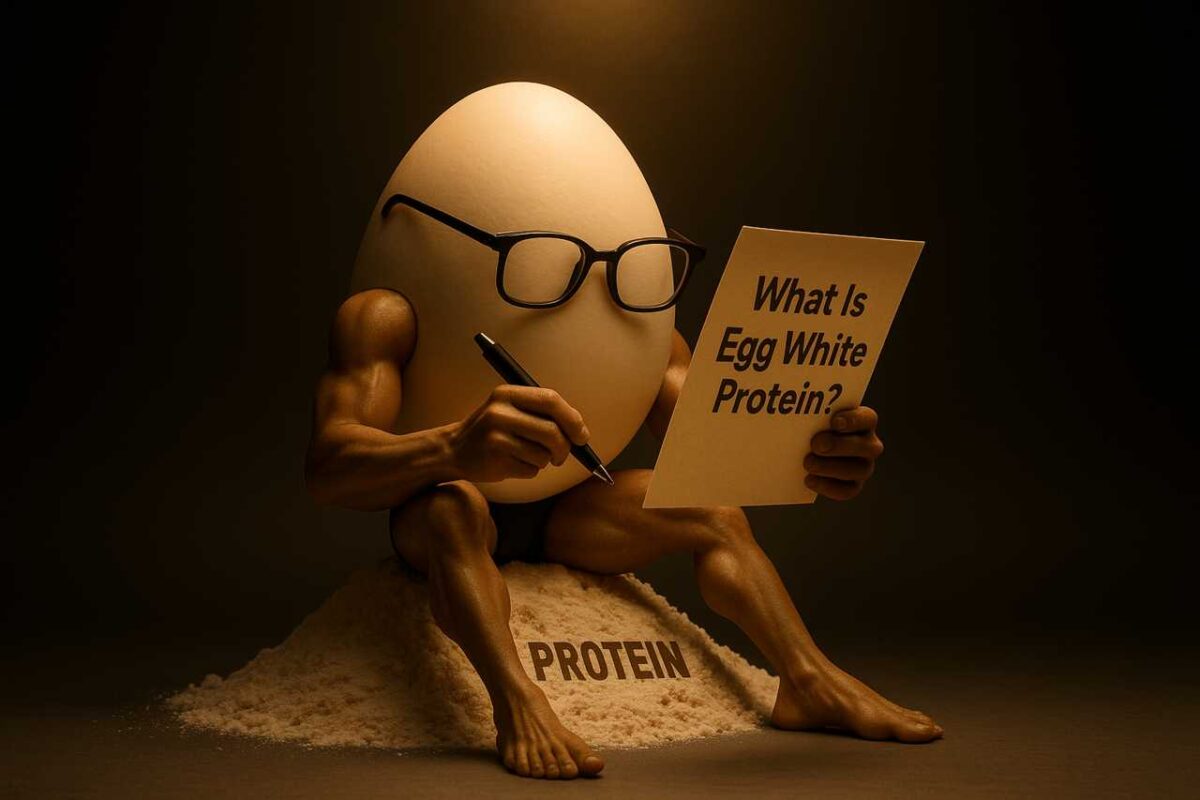
What-Is-Egg White-Protein

Scientific Review, Benefits, Applications, and Introduction to Egg White Protein Powder Supplements

Introduction

You’ve probably heard people say, “Eggs are the king of proteins!” Years ago, bodybuilders even tried to build muscle by drinking raw eggs like Rocky. Thankfully, you don’t need to do anything that extreme anymore. The world of sports nutrition has given you a much easier option: egg white protein powder.

This exciting supplement is becoming increasingly popular among athletes and even everyday people who simply want more protein in their diet. In this article, we’ll take a scientific and comprehensive look at this powder—from what it is and how it’s made, to its health benefits, ways to use it, how it compares to other proteins, and even some brands available in the market.

So if you want to improve your nutrition knowledge or find a new partner on your fitness journey, stay with us!

Headlines

  • What Is Egg White Protein?
  • Scientific and Health Benefits of Egg White Protein

  • Egg White Powder: What It Is and How It’s Produced

  • Comparison With Other Protein Sources

  • Popular Egg White Protein Powders Available in Dubai

  • Who Should Use This Supplement?

  • How to Use Egg White Protein Powder

  • Safety and Precautions

What Is Egg White Protein?
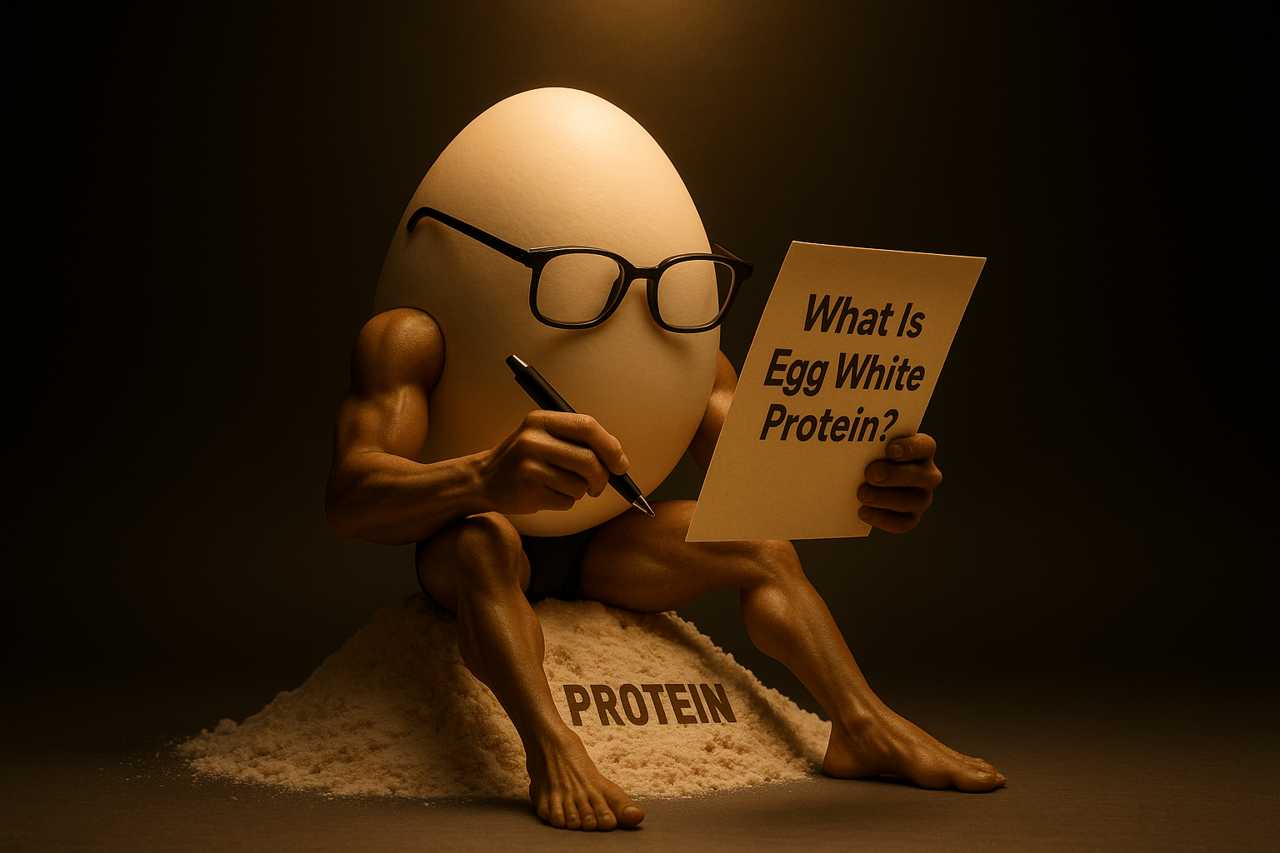
What-Is-Egg White-Protein

Egg white is the clear, colorless part of the egg surrounding the yolk. It’s mostly made of water (about 88%), and the remaining ~10% is protein with virtually no fat or cholesterol. Interestingly, about 56% of all the egg’s protein is found in the white.

The main proteins in egg white include albumin and several other high-quality proteins. When we say “high-quality,” we mean the human body can use them very efficiently. Egg white protein is one of the most complete natural proteins, containing all essential amino acids and being highly digestible. It actually has one of the highest biological values and digestibility scores among all proteins.

So when we talk about egg white protein powder, we mean a powder made from this nutrient-dense part of the egg.

Scientific and Health Benefits of Egg White ProteinScientific-and-Health-Benefits-of-Egg White-Protein

 

Now let’s get into the real question: What does this protein actually do for you? Tons of scientific research has investigated egg protein, and the results are impressive.

  • Muscle building and recovery:
    Egg white protein is excellent for muscle growth because it’s rich in branched-chain amino acids (BCAAs) like leucine. Research even shows that consuming ~20 g of egg protein after workouts can stimulate muscle protein synthesis similar to 20 g of whey protein.

  • Preventing muscle loss in aging:
    Muscle preservation isn’t just for athletes; everyone loses muscle with age (a condition called sarcopenia). Regular consumption of egg protein helps reduce muscle breakdown in older adults and supports strength and mobility.

  • Promotes satiety and weight management:
    If weight loss or appetite control is your goal, this protein is a great tool. Protein is naturally filling, but egg white protein stands out even more—helping you feel full for longer and reducing overall calorie intake.

  • Fat-free and heart-friendly:
    Unlike many animal proteins (like red meat or even egg yolk), egg whites contain no saturated fats or cholesterol. This makes it ideal for those concerned about heart health or cholesterol levels.

In short, egg white protein powder is a complete, high-quality protein that supports muscle building, prevents muscle loss, increases satiety, aids weight management, contains no fat or cholesterol, and even has some antimicrobial properties. Pretty great, right?

What It Is and How It’s Produced

Egg white powder is simply dried egg whites turned into a stable, fine powder through industrial processes.

Production steps include:

  1. Eggs are cracked and separated.

  2. Liquid egg whites are filtered and pasteurized to kill bacteria such as Salmonella.

  3. The pasteurized liquid is dried using spray-drying, where the whites are sprayed into hot air, instantly removing moisture and turning them into powder.

The result is a white, fine powder that contains all the protein of egg whites—just without the water.

A major advantage is that egg white powder has a very long shelf life and requires no refrigeration, making it extremely convenient.

Comparison With Other Protein SourcesComparison-With Other-Protein-Sources

Let’s compare egg white protein to other popular protein supplements:

Egg White Protein vs Whey Protein

  • Digestive speed:
    Whey is fast-absorbing—great right after workouts. Egg white protein digests at a moderate speed, keeping you full longer and causing fewer digestive issues.

  • Lactose & sensitivities:
    Whey comes from dairy and may contain lactose, so it’s not ideal for people with lactose intolerance. Egg white protein is dairy-free and lactose-free, making it an excellent alternative.

Egg White Protein vs Casein

Casein digests very slowly (often used before bedtime). Egg white protein digests faster than casein but slower than whey—right in the middle. Again, egg white is lactose-free.

Egg White Protein vs Whole Eggs or Meat

Nothing replaces whole foods, but egg white powder is:

  • more convenient

  • higher in pure protein

  • free from cholesterol and fat

  • easier to store and use

  • great when you want high protein without extra calories

Popular Egg White Protein Powders Available in Dubai

Some egg white protein brands accessible in Dubai include:

Who Should Use This Supplement?

Who-Should-Use-This-Supplement

You may be wondering whether this supplement is right for you. Here are the people who benefit most from egg white protein powder:

  • Athletes and bodybuilders

  • People with lactose intolerance or dairy allergies

  • Those with sensitive digestion or bloating issues

  • People wanting a “clean” protein for weight loss

  • Cooks or anyone who enjoys healthy baking

  • Older adults or people recovering from illness

  • Lacto-ovo vegetarians

If you need more protein without added fat, calories, or dairy issues, egg white protein is an excellent choice. But if you’re allergic to eggs or a strict vegan, this supplement is not for you.

How to Use Egg White Protein Powder

One of its best features is how versatile it is:

  • Simple protein shake:
    Mix one scoop with water or milk (200–300 ml).

  • Add to smoothies:
    It blends well with fruit smoothies, chocolate-peanut butter blends, or green smoothies.

  • Add to daily meals:

    • Stir into cooked oatmeal

    • Mix with Greek yogurt

    • Add to mashed potatoes or soups at the end of cooking

  • Homemade snacks (protein balls or bars):
    Combine the powder with oats, nut butter, honey, cocoa, etc., to make high-protein energy bites or bars.

  • Baking & cooking:
    Add to pancake batter, waffles, cakes, or bread recipes to increase protein and improve texture.
    Rehydrated egg white powder can also be whipped into meringues, used in macarons, or used to coat foods before breading.

  • Egg substitute:
    Mix the powder with water to replace egg whites in recipes.

Safety and Precautions

Egg white protein is generally safe, but keep these in mind:

  • Allergies:
    Do not use if you have an egg allergy.

  • Kidney concerns:
    Healthy kidneys handle high-protein diets well, but if you have kidney issues, consult your doctor.

  • Buy from trusted brands:
    Always choose pasteurized, high-quality products.

  • Check ingredients:
    Some flavored powders may contain sweeteners or dairy derivatives.

  • Storage:
    Keep the powder in a cool, dry place and seal tightly.

Conclusion and Final Recommendation

In this article, we explored egg white protein powder from all angles—its composition, benefits, uses, comparisons, and safety guidelines. We saw that it’s a fantastic source of pure, high-quality protein that supports muscle building, preserves muscle during aging, aids weight control, and is gentle on digestion—all without the fats and cholesterol found in other animal proteins.

Thank you for staying with us!
Share your thoughts with us here.
Protein For Life is your trusted source for authentic, premium supplements in Dubai.
Top 8 Protein Bars In Dubai

Introduction: Why Choosing the Right Protein Bar Matters

In today’s world, fitness enthusiasts, bodybuilders, and everyday health-conscious individuals are searching for the fastest way to build lean mass and dry muscle. One of the most convenient and effective options to support these goals is protein bars. Particularly in Dubai, where hot weather demands heat-friendly supplements, selecting the right dubai protein bars that are lab testedcertified, and side effect free is essential for maximizing workout recovery and nutrition.

This article will introduce you to eight of the best protein bars available in Dubai, covering their unique features, nutritional benefits, and suitability for both men and women.


What Are Protein Bars and Why Are They Important?

Protein bars are compact, nutrient-packed snacks designed to deliver a high-quality protein boost. They help with muscle repair, weight management, and enhancing performance after workouts. When choosing dubai protein bars, key factors include protein content, low sugar and fat, authentic ingredients, and thorough laboratory testing to ensure they are safe and effective.


The Best 8 Dubai Protein Bars Reviewed


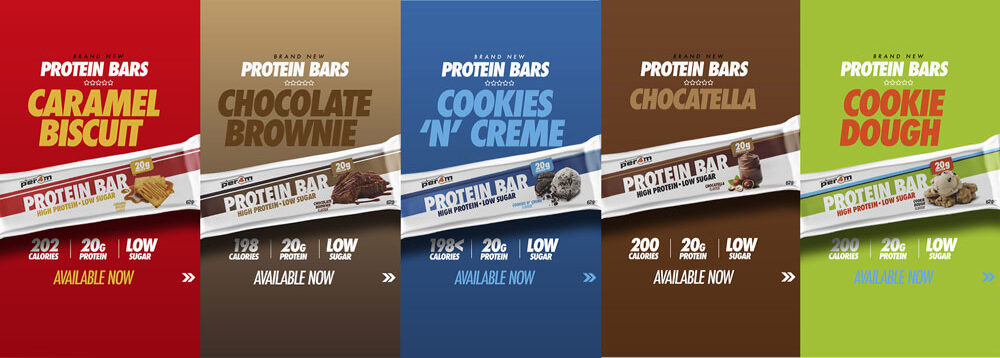
1. PER4M Protein Bars

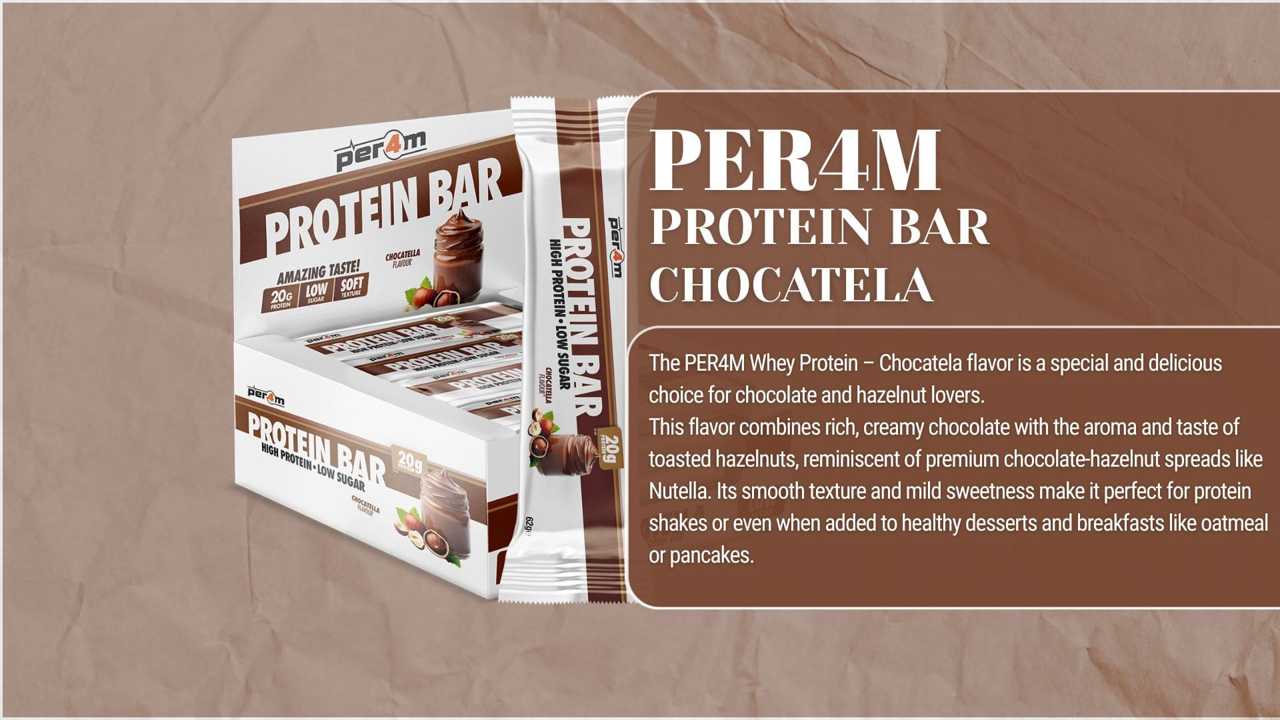
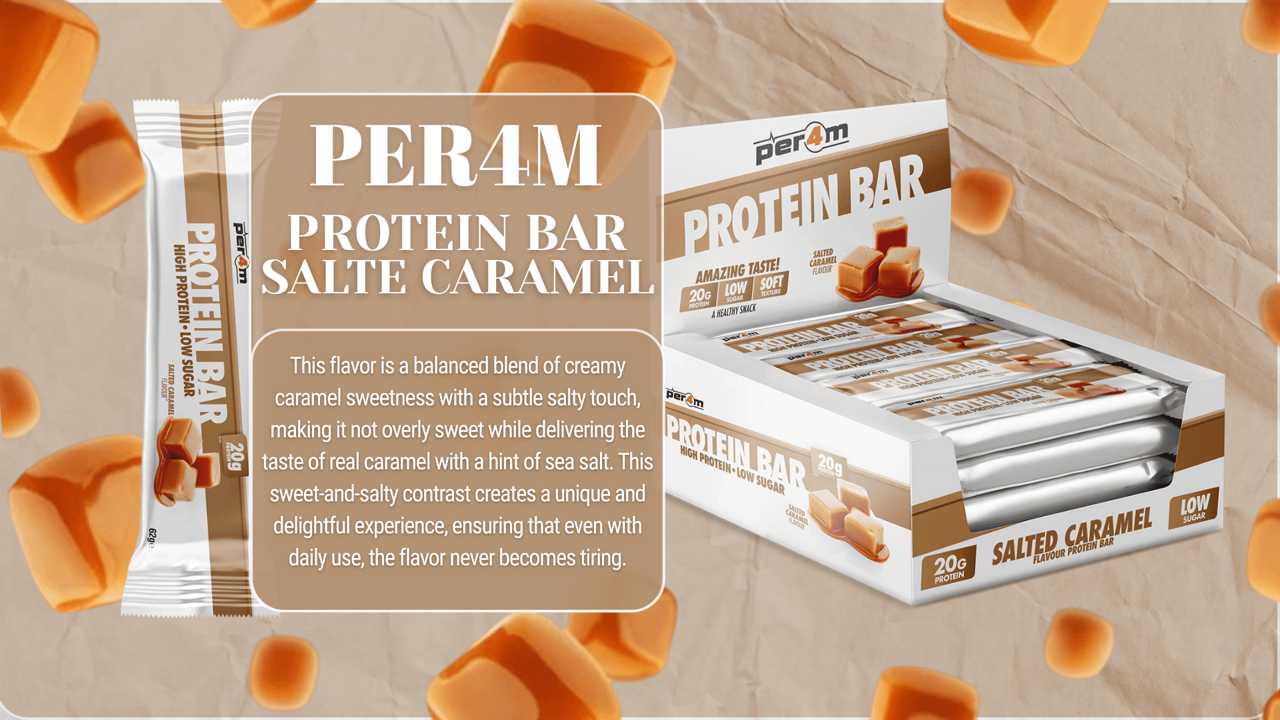
Known for unique flavors like Dubai Chocolate and Salted Caramel, PER4M bars provide over 20 grams of protein per serving while keeping calories under 200. Perfect for those targeting lean mass gains and post-workout recovery, these bars are free from added sugars and suitable for both men and women. Their certified, side effect free formula makes them a top choice in Dubai’s market.

Per4m Nutrition Information(62g):

  • Energy : 836
  • Energy kcal : 199
  • Fat : 5.3g
  • Of which saturates : 3.2g
  • Carbohydrate : 24g
  • Fibre : 5.2g
  • Protein : 20g
  • Salt : 0.36g

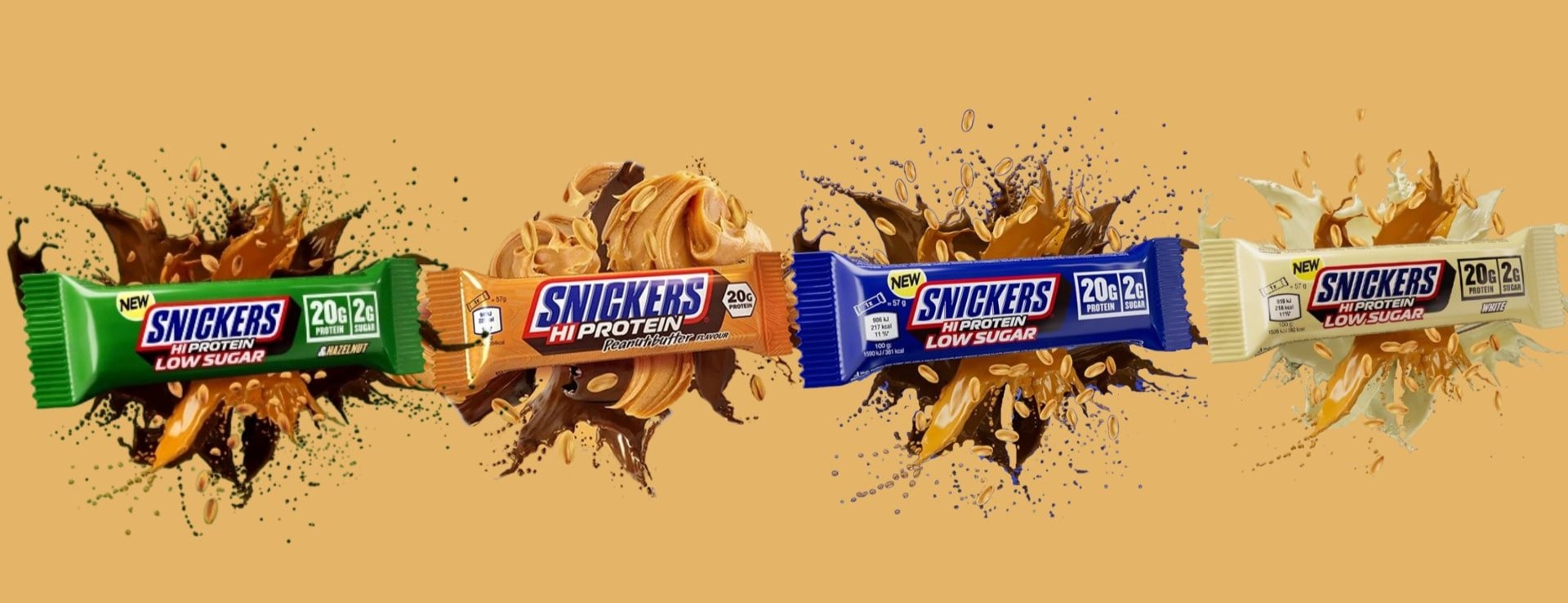
2. Hi Protein Snickers

hi-protein-snickers

This bar combines the nostalgic taste of Snickers with a high-protein twist, offering 20 grams of protein and controlled sugar levels. Although lab testing details are less transparent, its high nutritional value and satisfying texture make it popular among both male and female athletes, especially during dry muscle phases.

Hi Protein Snickers Nutrition Information(57g):

  • Energy kj: 923 kj
  • Energy kcal : 221 kcal
  • Fat : 11g
  • Of which sugars : 4.2g
  • Carbohydrate : 15g
  • Protein : 20g
  • Salt : 0.33g

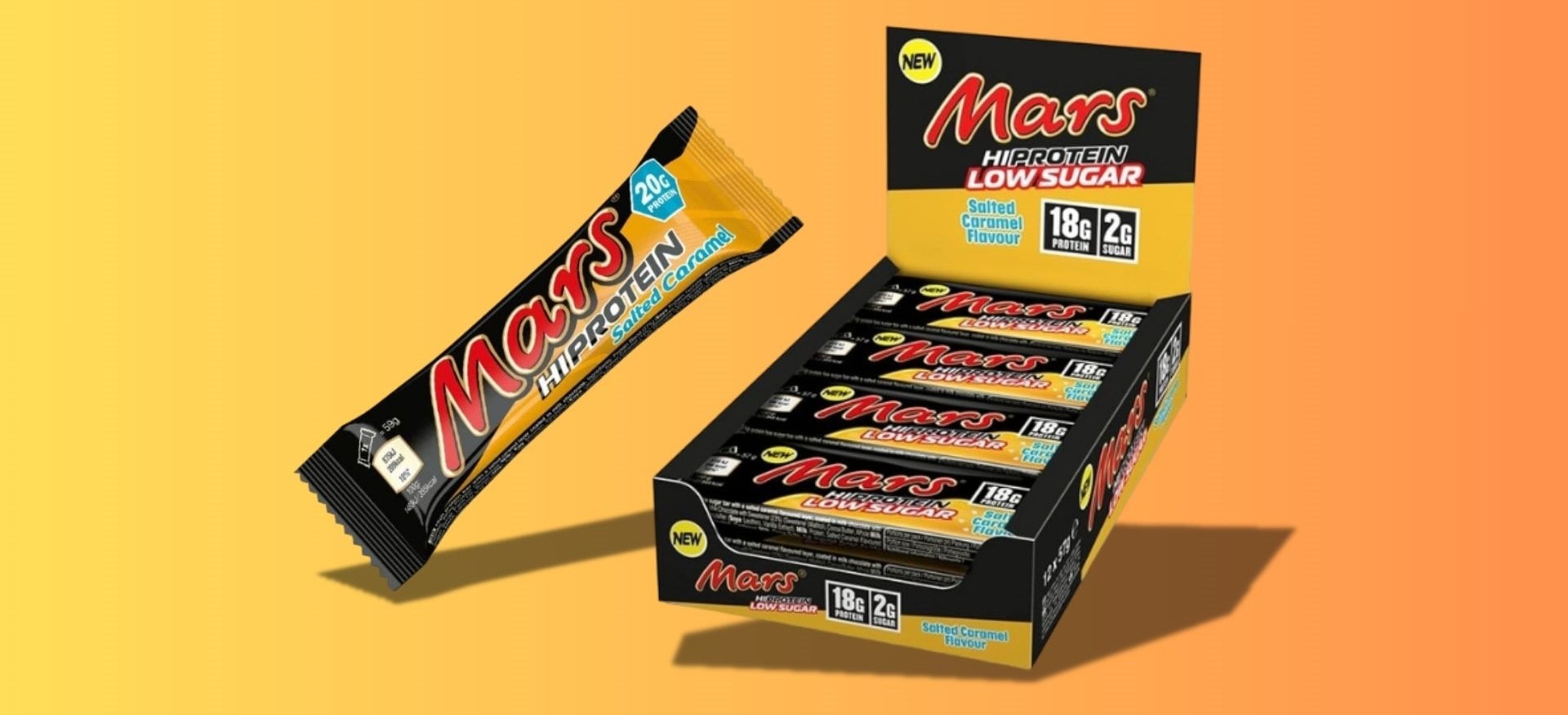
3. Hi Protein Mars

A healthier take on the classic Mars bar, this protein bar boasts 20 grams of protein with low sugar and fat, ideal for post workout nutrition. Experts praise its balanced flavor and smooth texture, making it a preferred choice for muscle building in Dubai.

Mars Nutrition Information(57g):

  • Energy kj: 818 kj
  • Energy kcal : 196 kcal
  • Fat : 7.7g
  • Of which sugars : 1.7g
  • Carbohydrate : 18g
  • Protein : 18g
  • Salt : 0.39g

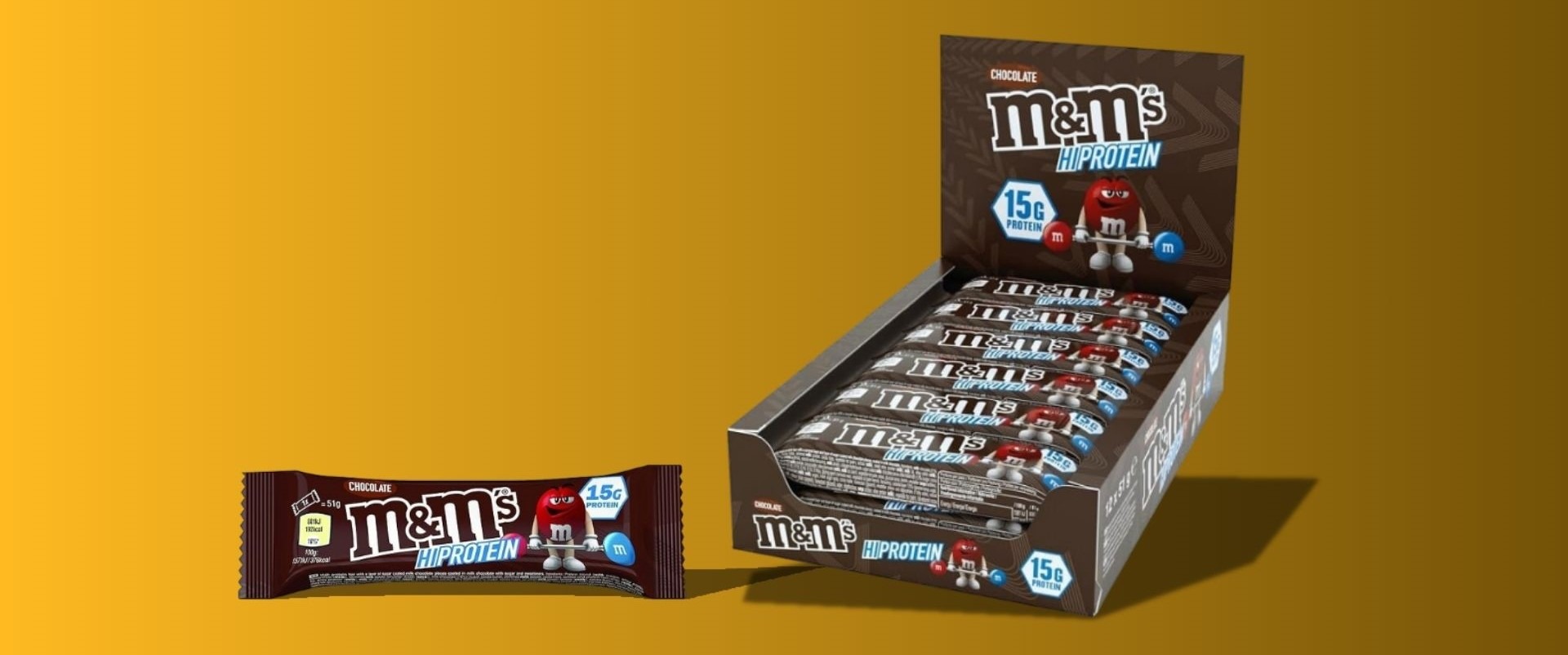
4. Hi Protein M&M

Delivering 15 grams of protein and only 192 calories, this bar offers three times the protein content of regular M&Ms with far less sugar. It’s an excellent authentic supplement option for daily snacking or post-exercise intake for both women and men.

Hi Protein M&M Nutrition Information(51g):

  • Energy kj: 806 kj
  • Energy kcal : 192 kcal
  • Fat : 6.3g
  • Of which sugars : 3.7g
  • Carbohydrate : 19g
  • Protein : 15g
  • Salt : 0.34g

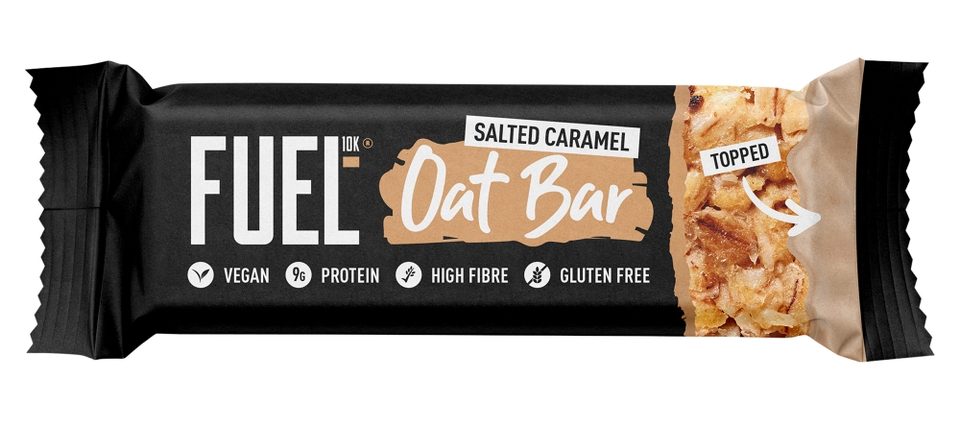
5. Fule Protein Bar

With the slogan “fastest way to protein and lean mass,” this bar contains just under 7 grams of net carbs and 2 grams of sugar for 15 grams of protein. Ideal for weight loss and muscle definition programs, Fule bars are heat-resistant and free from side effects, perfect for Dubai’s climate.

Fule Protein Bar Nutrition Information(45g):

  • Calories: 188 kcal

  • Protein: 9 g

  • Carbohydrates: 24 g

  • Sugars: 1.9

  • Fibre: 5.5 g

  • Fat: 5.1 g

  • Salt: 0.36 g

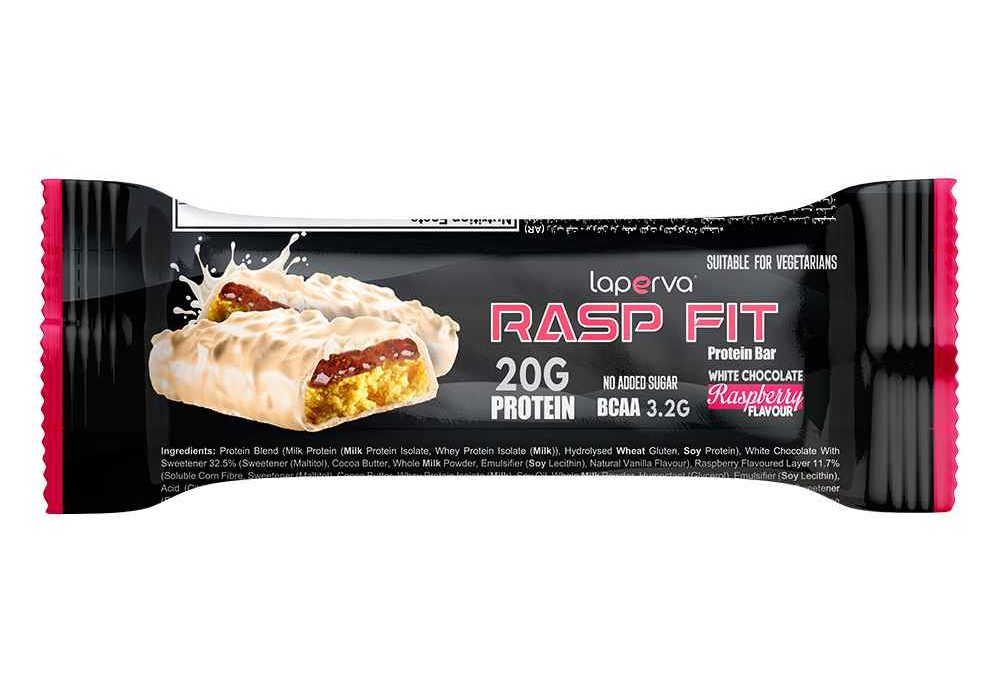
6. Rasp Fit (Laperva Rasp Fit Protein Bar)

Laperva Rasp Fit Nutrition Information(60g):

Featuring a delicious combo of white chocolate and raspberry, Rasp Fit contains 20 grams of premium protein and 3.2 grams of branched-chain amino acids (BCAAs). It’s sugar-free and supports muscle repair and daily protein needs, catering especially to those pursuing low-sugar diets.

  • Fat : 10.2g
  • Of which sugars : 2.6g
  • Protein : 20g
  • Bcaa : 3200 mg
  • sodium : 163 mg

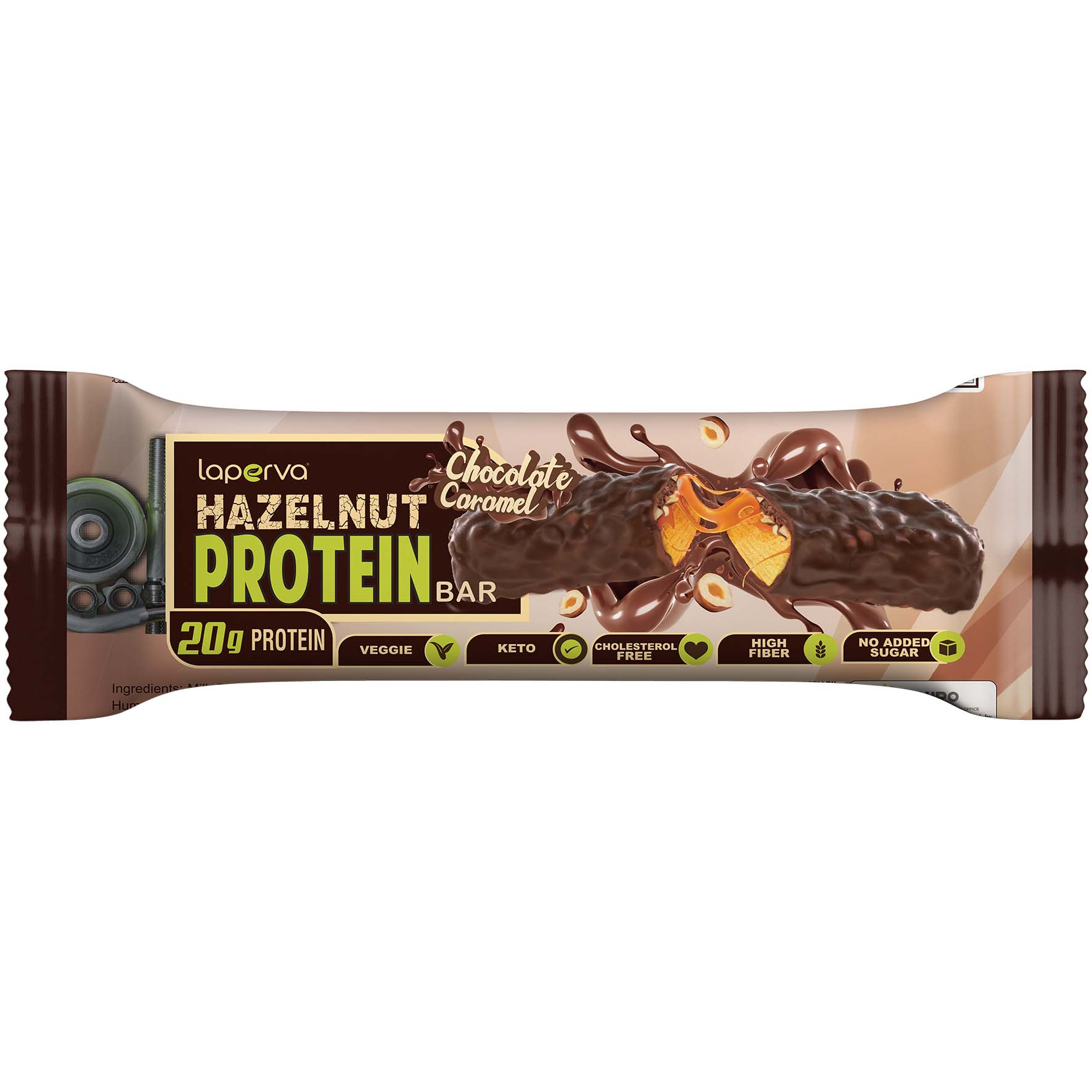
7. Laperva Hazelnut Protein Bar

This bar blends rich hazelnut and caramel flavors with 20 grams of high-quality protein. Loved by athletes for its natural taste and muscle-building benefits, it fits perfectly within lean mass gaining and dry muscle goals. Suitable anytime, especially after workouts.

Laperva Hazelnut Nutrition Information(60g):

  • Fat : 10g
  • Of which sugars : 2.5g
  • Carbohydrate : 4g
  • Protein : 20g
  • Sodium : 0.1g

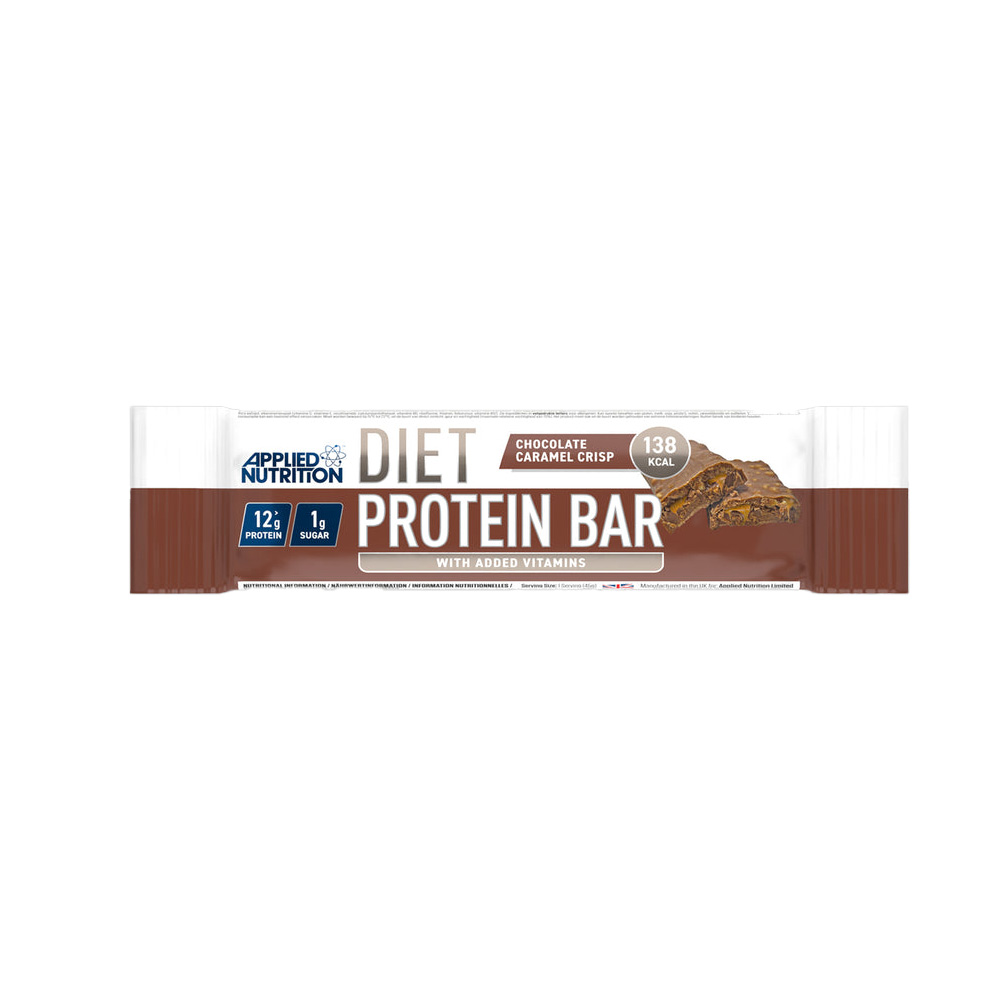
8. Applied Nutrition Protein Bar

Containing 12 grams of protein and just 1 gram of sugar, this bar supports weight management, daily nutrition, and recovery. With added vitamins and a certified, lab-tested composition, it provides peace of mind for both men and women who want a safe, effective snack.

Applied Nurition Protein Bar Nutrition Information(45g):

  • Energy kj: 586 kj
  • Energy kcal : 140kcal
  • Fat : 3.5g
  • Of which sugars : 1g
  • Carbohydrate : 17.2g
  • Protein : 12g
  • Salt : 0.20g

How to Choose the Best Dubai Protein Bars

  • Look for High Protein and Low Sugar: Bars like PER4M, Fule, and Laperva are excellent for rapid muscle growth and fat loss.

  • Check Certification & Lab Testing: Certified bars ensure quality and safety with no side effects.

  • Opt for Heat-Friendly Supplements: Given Dubai’s hot climate, select bars designed to maintain stability in warm conditions.

  • Gender-Specific Needs: The recommended bars are all suitable for both women and men.

PER4M: Introducing the British Brand Revolutionizing Supplement Flavors

PER4M-UK-brand

Per4m: A Complete Review of the Brand, Products, and Unbeatable Flavors

Introduction About Per4m:

The health and fitness market in the UAE is rapidly expanding, attracting international supplement brands seeking to earn the trust of health enthusiasts by offering safe, effective, and certified products. Per4m, a UK-based sports nutrition company, has secured a special place among both men and women. With innovative formulas, side-effect-free promises, and suitability for the UAE’s hot climate, this brand has become the top choice for many.

Per4m is not just a simple supplement brand—it is a brand for individuals who value quality and flavor in their supplements. PER4M currently offers 41 different delicious flavors for those who care about taste as much as results.

Where is Per4m Made?

Per4m was founded in 2011 in the United Kingdom and from the beginning has operated based on strict quality control standards, reputable laboratory testing, and European dietary supplement regulations. Its main research and development office is located in the UK, although the company has expanded its activities to Italy and other countries. Per4m has now also launched operations in the UAE.

What is Per4m and What Products Does it Offer?

Per4m presents itself as a next-generation sports nutrition brand. Its philosophy is “Physical Evolution”:

Per4m Products:PER4M-UK-brand

  • Whey Protein (Whey Advanced & Isolate Zero):

A delicious whey protein for rapid, side-effect-free lean muscle growth.

  • Plant Protein (Plant Advanced Formula):

Vegan-friendly protein suitable for all individuals and plant-based enthusiasts.

  • Pre-Workout:

An energy and focus booster with scientifically approved amino acids.

  • Amino Acids & Hydration (EAA Xtra, Electrolyte Mix):

Designed for recovery and reliable hydration during or after workouts.

  • Protein Bars & Snacks:

Delicious, sugar-free, diet-friendly options for pre- and post-workout recovery, ideal for those seeking tasty treats that do not lead to weight gain.

  • Other Supplements:

Creatine, BCAA, and energy carbohydrates like Cream of Rice, all tested for laboratory safety.

  • CREAM OF RICE:

A complex plant-based carbohydrate sourced from finely milled white rice flour.

  • HYDRATE ADVANCED ELECTROLYTE:

Per4m’s HYDRATE is an advanced electrolyte blend designed to maintain hydration and replenish electrolytes lost through sweat.

  • D3 K2:

Per4m’s D3 K2 is a supplement providing an optimal combination of vitamins D3 and K2 in each tablet to support immune function and bone health.

  • Advanced Omega-3:

is a high-quality fish oil supplement designed to support heart, brain, and circulatory health.

  • KSM-66 ASHWAGANDHA:

This standardized ashwagandha extract supports stress management and overall physical performance.

  • CREATINE:

Per4m’s creatine is a high-quality micronized monohydrate, designed to enhance muscle strength, endurance, and performance in high-intensity workouts.

  • RELAX STRESS SUPPORT:

A chocolate-flavored relaxation drink that naturally helps reduce stress and cortisol while providing energy.

Check our PER4M Product


Where Can You Buy Per4m Products in the UAE?

Per4m in Dubai is accessible through several trusted options:

For both ordinary users and gym owners, wholesale purchasing is available through specialized distributors. Buyers should always seek lab-tested, certified batches to avoid counterfeit supplements.

For professional consultation regarding purchasing PER4M products, please contact us:

Where Can I Get PER4M?

In the UAE, products are available through Protein For Life’s online store and physical outlets.

Protein For Life proudly serves as the exclusive importer and distributor of Per4m in the UAE. For bulk orders, you can contact us directly.

Comparing with Other Brands

Feature Per4m (UK) Other Brands
Country of Origin UK USA, Europe
Certified Yes (UK/EU) Varies
Flavor Variety Over 40 flavors Fewer
Heat & Vegan Friendly Yes Not always
Wholesale Availability Yes Limited
Laboratory Tested Yes Varies
Suitable for Men & Women Yes Often general or male-focused
Hot Climate Friendly Yes No
Price Mid/High Similar or higher

Advantages: Wide flavor range, transparent lab-tested results, formulations suitable for the high temperatures of the UAE, easy digestion even in challenging climates, elegant packaging, and delicious taste.

Why is Per4m Popular Among Athletes?PER4M-NUTRITION

  • Excellent taste

  • Certified laboratory testing

  • Free from hormones and banned substances

  • Fast absorption and easy digestion

  • Suitable for both men and women, including sensitive groups

  • Vegan and gluten-free options

  • Stable in the hot UAE climate

Expert & Consumer Opinions

  • Dr. Stuart Phillips (Canada) and Professor Asker Giokendrop (Europe) recommend Per4m for its safety, lack of side effects, and high muscle-building performance.

  • European Olympic coaches consider Per4m’s taste and digestibility superior to many American brands.

  • Per4m was featured in prestigious magazines among the best supplements of 2024.

Conclusion

Per4m has successfully earned the trust of athletes and health enthusiasts in the UAE by offering safe, side-effect-free, certified supplements that are suitable for hot climates.

With its wide product range, diverse flavors, and global expert support, Per4m is one of the best choices for lean muscle growth, fast recovery, and sustainable health in Dubai and across the UAE.

ٰFor more information about this brand, you can visit the per4m website.

Best Supplement for Muscle Recovery

Best Supplement for Muscle Recovery

The Best Supplements for Muscle Recovery: Science-Backed Picks for Athletes and Health-Conscious Individuals

Introduction

Muscle recovery is not just about feeling better after a workout—it’s a crucial physiological process involving the repair, remodeling, and strengthening of muscle fibers that are stressed during physical activity. Whether you’re a professional athlete or simply committed to fitness, optimizing recovery is essential for performance, muscle growth, injury prevention, and overall health. This article takes a science-based look at the best post-workout recovery supplements, how they work, and what the latest research says.


The Physiology of Muscle Recovery: A Deeper Look

Muscle recovery encompasses multiple cellular and systemic processes:

  1. Muscle Fiber Repair: During resistance or endurance training, microscopic damage occurs in muscle fibers. This damage triggers a cascade of events involving satellite cells (muscle stem cells), which fuse to the damaged fibers and facilitate repair and hypertrophy (growth).
  2. Inflammation and Immune Activation: Exercise-induced muscle damage activates the immune response, particularly the infiltration of neutrophils and macrophages. While acute inflammation is necessary for initiating repair, prolonged or excessive inflammation may delay recovery.
  3. Protein Synthesis vs. Breakdown: Recovery is the period when muscle protein synthesis (MPS) exceeds muscle protein breakdown (MPB). Nutritional interventions aim to tip this balance in favor of MPS.
  4. Hormonal Response: Cortisol levels rise during intense exercise, which can promote catabolism. Recovery aims to reduce cortisol and support anabolic hormones like insulin and growth hormone.
  5. Glycogen Replenishment: Carbohydrate stores (glycogen) are depleted during workouts. Efficient recovery requires restoring these levels to fuel subsequent sessions.
  6. Oxidative Stress and Mitochondrial Repair: Exercise increases reactive oxygen species (ROS), which can damage cellular components. Antioxidants in some supplements help mitigate this stress and promote mitochondrial biogenesis.

Top Professional-Grade Supplements for Muscle Recovery

1. Whey Protein Isolate (WPI)

  • Mechanism: Rapidly absorbed, rich in leucine, stimulates mTOR pathway to initiate MPS.
  • Research Insight: A 2017 study in JISSN concluded that WPI supplementation post-resistance exercise significantly reduces markers of muscle damage (e.g., creatine kinase) and accelerates recovery.
  • Application: Consume 20–40g within 30 minutes post-exercise.

2. Branched-Chain Amino Acids (BCAAs)

  • Mechanism: Leucine, isoleucine, and valine directly stimulate muscle protein synthesis and reduce delayed onset muscle soreness (DOMS).
  • Limitations: Most effective when combined with complete proteins.
  • Dosage: 5–10g post-exercise.

3. Creatine Monohydrate

  • Mechanism: Replenishes phosphocreatine stores, supports ATP regeneration, reduces inflammation.
  • Clinical Evidence: A meta-analysis in Nutrients (2021) confirmed creatine’s role in enhancing post-exercise recovery and reducing muscle damage markers.
  • Dosage: 3–5g daily (loading optional).

4. L-Glutamine

  • Role: Maintains nitrogen balance, supports immune cells, and may reduce soreness.
  • Scientific Support: Some studies suggest reduced muscle soreness and improved recovery in endurance athletes; effects may vary.

5. Omega-3 Fatty Acids (EPA/DHA)

  • Mechanism: Modulate inflammation through eicosanoid pathways, stabilize cell membranes.
  • Clinical Research: A 2020 study in Frontiers in Physiology showed omega-3 supplementation reduced muscle soreness and improved range of motion post-exercise.

6. Magnesium + Electrolytes

  • Function: Key cofactors in muscular contraction, energy metabolism, and hydration balance.
  • Research Insight: Magnesium deficiency impairs muscle recovery and increases cramping risk, especially in athletes.

7. Curcumin (from Turmeric)

  • Mechanism: Inhibits NF-κB pathway and COX-2 enzyme, reducing exercise-induced inflammation.
  • Evidence: Studies such as Sciberras et al. (2015) support curcumin’s effect on reducing DOMS.

Integrative Nutritional Strategies

Recovery isn’t just about isolated supplements. An integrative approach includes:

  • High-quality proteins (eggs, poultry, plant-based sources)
  • Antioxidant-rich foods (berries, greens)
  • Hydration with electrolytes
  • Complex carbohydrates for glycogen resynthesis

Expert Opinions

  • Dr. Brad Schoenfeld (CUNY): “Maximizing recovery involves timing, quality, and synergy of nutrients. Leucine threshold is critical for triggering protein synthesis.”
  • Dr. Stuart Phillips (McMaster University): “Whole proteins outperform isolated BCAAs. Synergistic nutrients promote greater adaptation.”
  • Dr. James Turner (University of Bath): “Omega-3s offer unique anti-inflammatory benefits that extend beyond basic nutrition.”

Conclusion

The best recovery supplement depends on the individual’s training type, intensity, and goals. However, for most athletes and active individuals:

  • Whey Protein Isolate is optimal for fast protein delivery
  • Creatine supports cellular energy and reduces muscle damage
  • BCAAs offer added support when dietary protein is insufficient
  • Omega-3s and Curcumin modulate inflammation effectively
  • Magnesium and Electrolytes maintain muscular and metabolic function

By integrating these evidence-based supplements with proper nutrition, sleep, and hydration, you can significantly enhance your post-workout recovery and long-term performance.

👉 Visit ProteinForLife.ae to access expert-backed recovery products and free consultation.

Does Consuming Protein Cause Acne?

Does Consuming Protein Cause Acne?

Does Consuming Protein Cause Acne?

Understanding the Link Between Protein, Pimples, and Facial Beauty

Protein is essential for muscle growth, immune support, and overall body function. However, some people—especially fitness enthusiasts—worry that protein supplements, especially whey protein, may lead to acne or skin breakouts. Is there any truth to this concern, or is it just another fitness myth? In this article, we explore the science behind protein consumption and acne, clarify common misconceptions, and review expert opinions to help you make informed choices about your skin and supplements.


What Causes Acne?

Acne is a multifactorial skin condition typically caused by a combination of excess sebum production, clogged pores, inflammation, and bacterial growth. Hormonal imbalances, stress, genetic predisposition, and dietary factors can also contribute to the development and severity of pimples.


Is There a Scientific Link Between Protein and Acne?

Much of the concern revolves around whey protein, a dairy-based supplement commonly used by athletes and gym-goers. Multiple studies suggest that whey may influence hormones such as insulin and IGF-1 (insulin-like growth factor 1), both of which are linked to increased oil (sebum) production in the skin—an important trigger for acne.

Key Study:
A 2013 review by Dr. Bodo C. Melnik, published in Dermato-Endocrinology, highlighted that whey protein can stimulate IGF-1 pathways, which may aggravate acne, especially in young adults and teens.
Source: NCBI – Dermato-Endocrinology, 2013


Whey Protein vs. Plant-Based Protein

Unlike whey protein, plant-based proteins (e.g., pea, rice, hemp) typically do not trigger insulin or IGF-1 surges and are thus considered safer for acne-prone individuals.

“Plant-based protein powders are less likely to exacerbate acne and are a safer option for people with sensitive or acne-prone skin,” says Dr. Whitney Bowe, board-certified dermatologist and author of The Beauty of Dirty Skin.


The Role of Dairy and Hormones

Whey protein is derived from milk and contains growth-promoting hormones and bioactive peptides that may influence the skin negatively.

According to Dr. Trevor Cates, known as The Spa Doctor, “Dairy-based products can disrupt the gut-skin axis and may worsen inflammatory skin conditions like acne.”

Moreover, the American Academy of Dermatology (AAD) confirms that dietary choices, including high glycemic foods and dairy, can influence acne, although reactions vary significantly between individuals.


Not All Proteins Are Equal

It’s important to distinguish between natural dietary proteins (like chicken, fish, lentils) and processed protein powders that may contain added sugars, artificial flavors, or fillers. These additives, especially when combined with a poor diet or inadequate hydration, can irritate the skin and worsen acne.


Tips for People with Acne-Prone Skin

If you’re concerned about facial beauty and breakouts related to protein, consider the following practical steps:

  1. Observe Your Skin’s Reaction: If breakouts worsen after using whey protein, try eliminating it for a few weeks to observe changes.

  2. Switch to Plant-Based Protein: Choose pea, rice, or hemp protein powders labeled “clean” or “non-comedogenic.”

  3. Limit Dairy and Sugar Intake: Both are linked to hormonal imbalances and inflammation.

  4. Stay Hydrated and Practice Good Skincare: Proper cleansing and moisturizing reduce pore congestion.

  5. Consult a Dermatologist: Especially before starting new supplements or diet routines.


Does Protein Always Cause Acne?

No—protein in itself does not directly cause pimples. Many people consume protein supplements or high-protein diets without any adverse skin reactions. However, individual responses vary, and certain people—particularly those sensitive to dairy or with hormonal imbalances—may experience flare-ups with whey protein.


Expert Opinions on Protein and Acne

  • Dr. Bodo Melnik suggests a clear hormonal link between whey protein and acne.

  • Dr. Whitney Bowe recommends plant proteins for individuals with acne-prone skin.

  • The American Academy of Dermatology acknowledges that diet, including high glycemic and dairy products, may affect skin condition.

  • Dr. Trevor Cates highlights the importance of gut health and its effect on facial beauty and inflammation.


Final Verdict: Should You Avoid Protein?

Protein remains a critical nutrient for physical health, muscle repair, and immune function. However, if you’re prone to acne, it’s wise to choose your protein sources carefully.

Whey protein may contribute to breakouts in susceptible individuals due to its impact on hormonal activity.
Plant-based proteins are a gentler alternative, supporting both fitness and skin clarity.
Facial beauty is not just about what you apply externally, but also about what you fuel your body with internally.

If you’re looking for plant-based proteins and skin-friendly multivitamins to support both your body and your facial beauty, we recommend visiting Protein for Life — your trusted source for clean, effective wellness solutions.

Does Whey Protein Cause Weight Gain?

Does Whey Protein Cause Weight Gain?

Does Whey Protein Cause Weight Gain? A Complete Guide for Fitness Enthusiasts and Health-Conscious Individuals

Introduction: Why This Question Matters

Whey protein has become one of the most popular and widely used dietary supplements in the world — especially among athletes, bodybuilders, and people focused on maintaining a healthy lifestyle. It’s praised for its high biological value, rapid absorption, and ability to support muscle growth and recovery.

Yet, one common concern continues to arise:
“Does whey protein cause weight gain or make you fat?”

Understanding the answer requires an exploration of how whey protein works, the science of weight gain, calorie balance, and expert opinions.


What Is Whey Protein?

Whey protein is a high-quality protein derived from cow’s milk during the cheese-making process. It contains all nine essential amino acids, making it a complete protein.

Types of Whey Protein:

  • Whey Concentrate: Contains some fat and lactose, typically around 70–80% protein.

  • Whey Isolate: More processed, with higher protein content (90%+) and less fat/lactose.

  • Whey Hydrolysate: Pre-digested for faster absorption, often used in clinical settings or for sensitive digestion.

Whey protein is typically consumed as a supplement in powder form and mixed with water, milk, or smoothies.


Does Whey Protein Cause Weight Gain?

Short Answer:

No, whey protein does not directly cause weight gain — unless it contributes to a calorie surplus.

Weight gain or fat gain occurs when your daily caloric intake exceeds your caloric expenditure. Whey protein itself contains about 4 calories per gram, just like any other protein source.

If you consume whey protein within your daily calorie needs, it will not cause weight gain. In fact, it may help with:

  • Appetite control

  • Fat loss

  • Muscle preservation during dieting


When Whey Protein Might Lead to Weight Gain

While whey protein isn’t inherently fattening, there are certain scenarios where it might contribute to weight gain:

  1. Excessive Consumption Without Tracking Calories
    If you’re adding whey protein on top of an already calorie-rich diet, you could go into a caloric surplus, leading to weight gain.

  2. Low Physical Activity Levels
    When protein is consumed but not used for muscle recovery (through exercise), excess protein calories can still be stored as fat.

  3. Mass Gainer Formulas
    Some whey-based products (mass gainers) are designed to increase weight and contain high levels of sugars, carbs, and fats — not ideal if you’re not trying to gain weight.


Does Whey Help You Lose Fat?

Yes, it can. Research has consistently shown that whey protein can:

  • Increase satiety (feeling full)

  • Help retain lean muscle mass during caloric restriction

  • Support thermogenesis and fat oxidation

Clinical Study Example:

A meta-analysis published in The Journal of the American College of Nutrition (2013) found that whey protein supplementation:

  • Helped reduce body fat

  • Increased lean body mass

  • Improved body composition in both trained and untrained individuals

Reference:
Cribb, P. J., et al. Effects of whey isolate on strength, body composition in resistance-trained men. JACN, 2006.


Muscle Gain vs. Fat Gain: Know the Difference

Many users report a slight increase in body weight after using whey protein — but this doesn’t necessarily mean fat gain. It could be due to:

  • Increased muscle mass

  • Improved glycogen storage (which holds water)

  • Water retention

This kind of weight gain is typically healthy and favorable for overall fitness.


Expert Opinions on Whey Protein and Weight Management

Dr. Stuart Phillips (McMaster University, Canada)

“Whey protein is an excellent tool for managing weight. It promotes satiety and helps maintain muscle mass, especially when dieting.”

Harvard Health Publishing

“Consuming high-quality protein like whey can support weight loss and improve metabolism, especially when used as part of a calorie-controlled diet.”

Source: Harvard Health Publishing, “The Truth About Protein and Weight Loss,” 2021.


How Whey Protein Affects Your Metabolism

Whey is rich in branched-chain amino acids (BCAAs) — especially leucine, which is a key trigger for muscle protein synthesis. This process increases energy expenditure, helps preserve lean mass, and indirectly supports fat loss.

It also boosts your resting metabolic rate (RMR), meaning you burn more calories even while at rest.


Are Supplements Like Whey Protein Safe?

Whey protein is considered safe for most individuals, as long as:

  • It is sourced from reputable brands

  • You follow recommended serving sizes

  • You don’t rely on it as your only source of nutrition

Regulatory Status:

Whey protein is listed as GRAS (Generally Recognized as Safe) by:

  • U.S. FDA (Food and Drug Administration)

  • EFSA (European Food Safety Authority)


Supplement Facts: A Quick Overview

Feature Details
Serving Size ~25-30g per scoop
Calories 100–150 kcal (approx.)
Protein Content 20–25g
Carbohydrates 1–5g
Fat 1–3g
Key Ingredient Whey Protein (Isolate/Concentrate/Hydrolysate)
Additives (if any) May contain flavors, sweeteners

Conclusion: So, Does Whey Protein Cause Weight Gain?

Let’s recap:

 Whey protein does not inherently make you fat
 It can help with muscle gain, fat loss, and appetite control
 Overconsumption, poor diet, and lack of exercise can still lead to weight gain — with or without supplements
 Choose high-quality whey protein and combine it with proper nutrition and physical activity for best results


 Final Tip:

If you’re using whey protein strategically, it can be a powerful ally in building a lean, strong, and healthy body.


Need Help Choosing the Right Protein Supplement?

Visit ProteinForLife.ae for top-rated products and FREE expert consultation on sports nutrition, weight management, and fitness goals.

what is Whey Protein:

Whey protein, derived from milk during the cheesemaking process, has become a staple supplement in the diets of health-conscious individuals around the globe. It is a complete, fast-digesting protein rich in essential amino acids, especially leucine. Due to its effectiveness in building muscle……


Are Supplements Harmful? Facts You Should Know Before You Take Them

Are Supplements Harmful? Facts You Should Know Before You Take Them

Are Supplements Harmful?

In recent years, dietary supplements have become an inseparable part of many people’s lifestyles. From multivitamins to protein powders and herbal capsules, millions rely on supplements to improve health, boost athletic performance, or fill nutritional gaps.

But one essential question always arises:
Are supplements harmful?

In this comprehensive article, we’ll explore what supplements are, their potential benefits and risks, expert opinions from around the world, and how to use them safely. Whether you’re an athlete or someone who cares about your body and well-being, this guide will help you make better-informed decisions.


What Is a Supplement?

According to the U.S. Food and Drug Administration (FDA), a dietary supplement is a product intended to supplement the diet and may contain one or more of the following:

  • Vitamins

  • Minerals

  • Amino acids

  • Herbs or botanical extracts

  • Enzymes or probiotics

Supplements come in various forms such as pills, capsules, powders, beverages, bars, and liquid drops.


Benefits of Supplements

  1. Filling Nutritional Gaps:
    Ideal for people with restrictive diets or vitamin deficiencies.

  2. Enhancing Athletic Performance:
    Supplements like whey protein, creatine, and BCAAs support muscle growth, endurance, and recovery.

  3. Targeted Health Goals:

    • Omega-3: Heart health

    • Calcium & Vitamin D: Bone strength

    • Iron: Treating anemia


Are Supplements Harmful?

Supplements aren’t inherently harmful—but they can become dangerous when misused, overdosed, or sourced from poor-quality brands.

 Common Risks:

  • Overdose & Toxicity:
    Fat-soluble vitamins like A, D, E, and K can build up in the body and lead to toxicity if over-consumed.

  • Drug Interactions:
    For example, St. John’s Wort can interfere with antidepressants or birth control pills.

  • Contamination:
    Some low-quality supplements may contain heavy metals, banned substances, or undeclared drugs.

Real Case:
A 2015 study published in JAMA Internal Medicine found that over 23,000 ER visits in the U.S. each year are linked to dietary supplement-related adverse events.
Source: Geller AI, JAMA Intern Med. 2015;175(2):208–210


What Do Experts Say?

  • Dr. Pieter Cohen (Harvard Medical School):
    “Most people don’t need supplements if they follow a healthy diet. Some supplements can be harmful if taken improperly.”
    Source

  • Dr. Michael Greger (Author of How Not to Die):
    Advocates a whole-food, plant-based diet and recommends Vitamin B12 and D in cases of deficiency.

  • World Health Organization (WHO):
    Advises supplement use only in confirmed deficiency or special medical conditions.
    WHO Guidelines


How to Take Supplements Safely

  1. Always consult a doctor or registered dietitian before use.

  2. Read the “Supplement Facts” label carefully.

  3. Avoid megadoses unless prescribed.

  4. Choose brands with third-party certifications like NSF or USP.

  5. Ignore misleading terms like “all-natural” or “miracle cure.”


How to Read Supplement Labels

  • Serving size and servings per container

  • Amount of active ingredients and % Daily Value

  • Other ingredients (binders, flavors, colors)

  • Manufacturer’s name and contact details

  • Third-party certifications (e.g., NSF, USP)

For a full guide, refer to the NIH Supplement Labeling Resource


What Is the Best Multivitamin for the Body?

The best multivitamin depends on your:

  • Age

  • Gender

  • Dietary habits

  • Activity level

  • Health goals (e.g., muscle gain, weight loss, immune support)

Qualities of a Good Multivitamin:

  • Contains essential vitamins and minerals in balanced doses

  • Free from harmful additives or contaminants

  • Certified by independent labs (NSF, USP, etc.)


Top Multivitamin Brands (2024)

Brand Highlights Certification
Optimum Nutrition Trusted worldwide, known for Gold Standard Whey Informed-Choice Certified
Dymatize Fast absorption, clinically tested, athlete-focused Informed-Sport Certified
Applied Nutrition UK-based, advanced formulas, banned substance tested Informed-Sport Certified

Conclusion

Supplements can support your journey toward better health and physical performance—but only when used wisely, scientifically, and responsibly. No supplement can replace a balanced diet and healthy lifestyle—it can only complement them.


Key Takeaways:

  • Supplements can be beneficial if used correctly

  • Misuse or overuse can be harmful

  • Always consult a professional before use

  • Prioritize whole food nutrition

  • Choose trusted, certified brands only

For original, certified, and safe supplements, visit ProteinForLife—your reliable source for quality sports nutrition.

What Are Amino Acids? |  How to Buy Amino Acids in Dubai

What Are Amino Acids? A Complete Beginner’s Guide | How to Buy in Dubai

What Are Amino Acids? A Complete Beginner’s Guide | Amino Acid, Protein for Life & How to Buy in Dubai

If you’re new to fitness, healthy living, or simply looking to take better care of your body, one of the first terms you’ll come across is amino acid. These tiny but powerful building blocks play a huge role in how your body functions—from muscle growth to mood, energy, and recovery.

In this comprehensive guide, we’ll explain what amino acids are, why they matter, introduce all related supplement types, and tell you how to buy amino acids in Dubai safely. Whether you’re training hard or just beginning your health journey, this article is your go-to reference.


 What Are Amino Acids?

Amino acids are organic compounds that combine to form proteins. Think of them as the “Lego blocks” of your muscles, hormones, enzymes, and even your immune cells. There are 20 amino acids in total, 9 of which are called essential amino acids because the body cannot make them on its own—they must come from your diet or supplements.

Without enough amino acids, your body struggles to build or repair tissue, especially after exercise. That’s why Protein for Life and other leading health brands develop high-quality amino acid supplements for both athletes and beginners.


 Why Are Amino Acids Important?

Amino acid supplementation is crucial for anyone involved in physical activity, dealing with stress, or on a calorie-restricted diet. Even if you’re not an athlete, amino acids contribute to overall well-being and energy.

Key benefits of amino acids:

  • Promote muscle growth and recovery

  • Prevent muscle breakdown during workouts

  • Boost energy and mental focus

  • Support the immune system

  • Help with fat loss while preserving muscle

  • Aid digestion and gut health (especially glutamine)

If you’re aiming for a healthier lifestyle or better workout results, amino acid supplements are one of the best tools to include in your daily routine.


Fruits That Contain Amino Acids (and Other Natural Food Sources)

If you’re looking to get amino acids naturally through food and not supplements, many foods—especially protein-rich ones—are great sources. While fruits aren’t the richest sources, some do contain small amounts of essential and non-essential amino acids.

lemon

Main Food Sources Rich in Amino Acids

To get a complete set of essential amino acids, you should focus on these foods:

Animal-Based Foods (Complete Proteins):

  • Red meat (beef, lamb)

  • Poultry (chicken, turkey)

  • Fish (salmon, tuna, sardines)

  • Eggs (one of the best complete sources)

  • Dairy (milk, yogurt, cheese)

Plant-Based Foods With Amino Acids:

  • Soy and tofu (complete plant protein)

  • Lentils and beans

  • Nuts and seeds (almonds, peanuts, walnuts)

  • Quinoa (a rare complete plant protein)

  • Chia and flax seeds

  • Brown rice, oats

  • Whole-grain bread


Types of Amino Acid Supplements

There are several different kinds of amino acid supplements on the market. Each one serves a specific function, depending on your body’s needs and your fitness goals:

1. BCAA (Branched-Chain Amino Acids)

Includes leucine, isoleucine, and valine—three essential amino acids that help reduce muscle breakdown and fatigue. Perfect for intra-workout or post-workout use.

2. EAA (Essential Amino Acids)

A complete mix of all 9 essential amino acids your body can’t produce on its own. These are ideal for muscle building and recovery, especially during calorie deficits.

3. Glutamine

This amino acid is not essential but becomes conditionally essential during intense exercise or illness. It boosts immunity, supports gut health, and speeds up recovery.

4. Amino Energy

A popular supplement that combines amino acids with caffeine. Great for a pre-workout energy boost or as a clean daily energizer. Optimum Nutrition’s Amino Energy is a top-rated choice.

5. Hydrolyzed Whey Protein

Though technically a protein powder, hydrolyzed whey is pre-digested into peptides and amino acids. It’s fast-absorbing and highly effective for muscle repair after training.


Top Amino Acid Supplement Brands

If you’re shopping for high-quality amino acid supplements, stick to trusted brands. These companies undergo third-party testing and use premium-grade ingredients:

  • Optimum Nutrition (ON)

  • Applied Nutrition

  • Scitec Nutrition

  • Dymatize

  • MuscleTech

  • BSN

  • MyProtein

All of these brands are commonly available in the UAE and are well-known for quality, flavor, and results.


 How to Buy Amino Acids in Dubai

Dubai is a great place to shop for supplements thanks to easy access to global brands and highly regulated import standards. But to stay safe and get genuine products, follow these tips:

 Buying Tips:

  • Always buy from official retailers like Protein for Life UAE, Sporter, Dr. Nutrition, or trusted pharmacy chains.

  • Check product labels for authenticity, expiry dates, and QR/barcode verification.

  • Be cautious of unusually low prices—cheap often means fake.

  • Prefer brands with GMP or FDA approval or third-party lab testing.

  • Read product reviews before you buy.

What Are Amino Acids? Written by Sharon Liao, medically reviewed by Kathlee M. Zelman, RD, LD, MPH. 

How to Tell If a Supplement Is Real or Fake

Real or Fake

How to Tell If a Supplement Is Real or Fake


1. Start with the package.

Look beyond the bottle—closely examine its exterior:

  • Quality of the box and printing: Authentic products typically have crisp colors and precise text. Faded colors, blurry logos, or odd font styles are red flags.

  • Language and localization: If you’re shopping in Dubai, packaging often includes both English and Arabic. An overly literal or botched translation is a sign of counterfeit goods.

  • Official seals and holograms: Many reliable brands include a security seal or hologram. Make sure it’s intact, untampered, and well-centered—loose wrapping or uneven placement signals trouble.


2. Inspect the Label Details

Labels are your first line of defense in verifying authenticity.

  • Full ingredient transparency: You should see a detailed Supplement Facts panel listing active components with their exact dosages. Generic terms like “proprietary blend” without specific amounts are a warning

  • Batch or lot number and expiry date: Both must be present and printed in a standardized format, matching numbers if available on the brand’s official site.

  • Third-party seals: Look for certifications from NSF, USP, or other accredited laboratories—these indicate rigorous testing for ingredient purity

  • Regulatory compliance: In the UAE, products may also carry an MOHAP (Ministry of Health and Prevention) approval. This is a solid indicator that the supplement is legally imported and quality inspected locally.


3. Verify Authenticity via Codes

Many respectable brands use technology to fight counterfeits:

  • QR/scratch-off codes or holographic labels: Scan these with your phone or input them on the brand’s official verification portal. A mismatch or “code not found” message usually means trouble.

  • Amazon Transparency: If you’re purchasing on Amazon, look for Transparency codes—QR-like identifiers registered in Amazon’s anti-counterfeiting program.

  • Brand’s official site checks: Some brands allow direct entry of serial numbers for verification, ensuring batch traceability.


4. Price Is a Key Indicator

  • Extreme discounts signaling risk: If you find a reputable supplement at half the market price or less, be skeptical—it’s likely counterfeit.

  • Market comparison: Always cross-reference prices on the brand’s official website, licensed pharmacies (like Life Pharmacy or Aster in Dubai), or trusted platforms (e.g., iHerb or Amazon sold-and-shipped-by-the-brand).


5. Use Sensory Checks Post-Purchase

Even after purchase, your senses are still powerful detection tools:

  • Smell test: Authentic supplements rarely emit strong chemical odors. A musty or overly sweet scent is off-putting.

  • Texture consistency: Powders should be smooth and fine; cocked or clumped texture points to contamination or improper formulation (bodyfirst). in.

  • Solubility check: Drop a sample into water—watch for even dispersion without large chunks or lingering clouds at the bottom.


6. Choose Trusted Sources

Where you buy matters as much as what you buy.

  • Reputable retailers: In Dubai, choose pharmacies like Life Pharmacy, Aster Pharmacy, or BinSina—these establishments have licensing and traceable supply chains.

  • Verified online sellers: If shopping online, verify the seller’s licensing, check the “Sold by” and “Ships from” tags on Amazon, and review seller feedback for authenticity.

  • Avoid anonymous or unofficial online vendors: Vendors copying brand names or offering unrealistic bargains are often part of counterfeit networks (consumerlab.com).


7. Scrutinize Reviews & Feedback

User-generated content can expose counterfeit problems:

  • Check for specific complaints: persistent notes about unusual taste, odd color, packaging mistakes, or irregular pricing.

  • Real versus generic reviews: Amazon, iHerb, or Trustpilot listings show a mix of experiences. Overly glowing reviews with no specifics can be deceptive.

  • Review photos: User-uploaded images of package damage, missing seals, or odd textures are valuable evidence.


8. Evaluate the Seller

A reputable seller is transparent and traceable.

  • Clear website info: Official site with company registration, contact details, and physical address—essential for accountability.

  • Regulatory listing: In the UAE, cross-check if the seller is registered in the MOHAP database.

  • Return policies: Reliable vendors offer clear return/refund options. Unclear policies are a red flag.


9. Recognize the Health Risks

Counterfeit supplements aren’t just ineffective—they can be harmful:

  • Ingredient contamination: Fake supplements may contain unauthorized substances, undeclared pharmaceuticals, heavy metals, or bacteria.

  • Adverse reactions: unexpected nausea, headaches, fatigue, or changes in heart rate. If any symptoms appear, stop use immediately and consult a healthcare provider.

  • Regulatory recall notices: Stay updated via FDA or MOHAP announcements, especially for products linked to counterfeit issues.


10. Use Independent Verification Tools for How to Tell If a Supplement Is Real or Fake

  • Mobile scanning apps: Brand-specific apps and barcode scanners can confirm authenticity.

  • Third-party verification services: Websites like Labdoor, ConsumerLab, or NSF International publish independent testing results and rankings bodyfirst. bodyfirst.in.

  • Forums and expert channels: Community discussions on platforms like Reddit can highlight recent counterfeit batches or new scam tactics.


11. Beware of Red-Flag Marketing

Some marketing tactics themselves can be warning signs:

  • Exaggerated claims: Promises to “cure Alzheimer’s,” “burn 10 kg in 10 days,” or “secret fat-melting formula” are common in scams.

  • Celebrity endorsements without traceable reviews: Fake shill quotes or unknown endorsers should raise suspicion.

  • “Free trial” bait: Offers that require subscription only after “free” shipping costs may involve difficult cancellation hurdles (AARP.org).


12. Consult Professionals

Supplements can interact with medications and chronic conditions.

  • Ask healthcare providers: A pharmacist or nutrition specialist can advise on dosage, interactions, or required approvals.

  • Review ingredient labels carefully. Cross-check active components and contraindications before use.


How to Tell If a Supplement Is Real or Fake

Real or Fake
Real or Fake
  1. Compare packaging quality and local language details.

  2. Verify supplement facts, batch numbers, and third-party seals.

  3. Scan codes or verify serials online.

  4. Ensure the price aligns with known non-counterfeit sources.

  5. Perform sensory checks post-purchase.

  6. Confirm purchases from licensed, traceable sellers.

  7. Read varied user feedback with screenshots.

  8. Assess seller transparency and return policy.

  9. Be aware of health risks and official recalls.

  10. Use independent verification apps and trusted review platforms.

  11. Sniff out hype, promises, and misleading endorsements.

  12. Seek professional advice when needed.


Final Thoughts

Knowing how to tell if a supplement is real or fake is no longer just about reading labels—it involves a strategic, multi-step verification process. By consistently applying these techniques—from packaging inspection and code verification to informed pricing, reputable sourcing, and professional consultation—you dramatically reduce the risk of purchasing counterfeit, potentially dangerous supplements.

Why choose us?

  • Fully licensed and legally certified in Dubai.

  • Verified batch number tracking and authentic QR codes.

  • Fast shipping with secure, tamper-proof packaging

Visit our website at proteinforlife.ae

For a stronger health journey and supplements you can trust, Protein For Life is your reliable choice!

PER4M PROTEIN BAR in Dubai |Complete information about these protein bars

Protein_bar_PER4M

PER4M Protein Bars Now in Dubai – Learn More About These Delicious Protein Bars

PER4M-PROTEIN-BAR-IN-DUBAI

Definition of PER4M PROTEIN BAR from the perspective of a nutrition specialist

PER4M PROTEIN BAR is a nitrate-based dietary supplement designed to provide fast-absorbing protein and sustained energy for athletes, active individuals, and those who carefully manage their daily calorie and macronutrient intake. Each bar contains 20 grams of isolated protein (usually sourced from milk protein, casein, or plant-based protein) per serving, which is beneficial for muscle repair after training or for increasing satiety throughout the day.

In terms of carbohydrates, dis PROTEIN BAR contains low-glycemic index carbohydrates (about 15–20 grams per bar), mainly derived from plant fibers and natural sweeteners (such as isomalt or steviol). This feature ensures that blood sugar levels rise gradually without causing an energycrash.” The fat content in this product (about 5–8 grams per bar) generally comes from healthy sources such as coconut oil or dried fruits, providing omega-3 and omega-6 fatty acids.

A distinctive feature of PER4M is the inclusion of vitamins and minerals such as vitamin D, calcium, and manganese, optimized for bone health and metabolic performance. In addition, this bar is gluten- and lactose-free (in plant-based versions), making it suitable for individuals with lactose intolerance or celiac disease.

In terms of application, PER4M PROTEIN BAR is recommended as a dietary supplement in conditions such as pre-workout (due to quick energy), post-workout (for muscle recovery), or as a healthy snack between meals. However, consumption guidelines include limiting daily intake (usually 1–2 bars) and a warning for individuals with kidney or liver diseases, who should regulate protein digestion under medical supervision.

Overall, PER4M PROTEIN BAR is a functional and balanced product suitable for fitness goals and calorie-controlled diets, but it should not replace a diverse and natural diet Let’s examine these healthy foods in more detail.

WHAT ARE PROTEIN BARS

WHAT-IS-PROTEIN-BARS

Protein bars are nutrient-dense, compact snacks specifically designed to deliver a concentrated dose of protein—usually between 10 and 30 grams per bar—along with varying amounts of carbohydrates, fats, fiber, vitamins, and minerals. So, are these delicious snacks right for you? The complete answer can be found in the full article titled “Are Protein Bars Healthy?”—I recommend you read it click here.


What Makes Per4m Protein Bars Different?

Per4m-Protein-Bar-Chocatella-High-Protein-Low-Sugar-62g

Now that we understand what protein bars are and how they benefit us, let’s look at what sets Per4m protein bars apart from other snacks:

Key Advantages of Per4m Protein Bars

  • High-quality protein: Each bar contains about 20 grams of pure protein, making it an excellent choice for those focused on muscle building or faster recovery.

  • Diet-friendly: With minimal sugar and reasonable calories, Per4m bars are suitable for people on a diet or with diabetes.

  • Significant fiber content: Each bar contains 5–6 grams of fiber, supporting digestion and promoting long-lasting satiety.

  • Real and diverse flavors: This British brand offers over 38 flavors, with new ones constantly being added. Flavor variety is one of the key reasons behind its popularity.

To stay informed about the latest news from this brand, check out their updates.


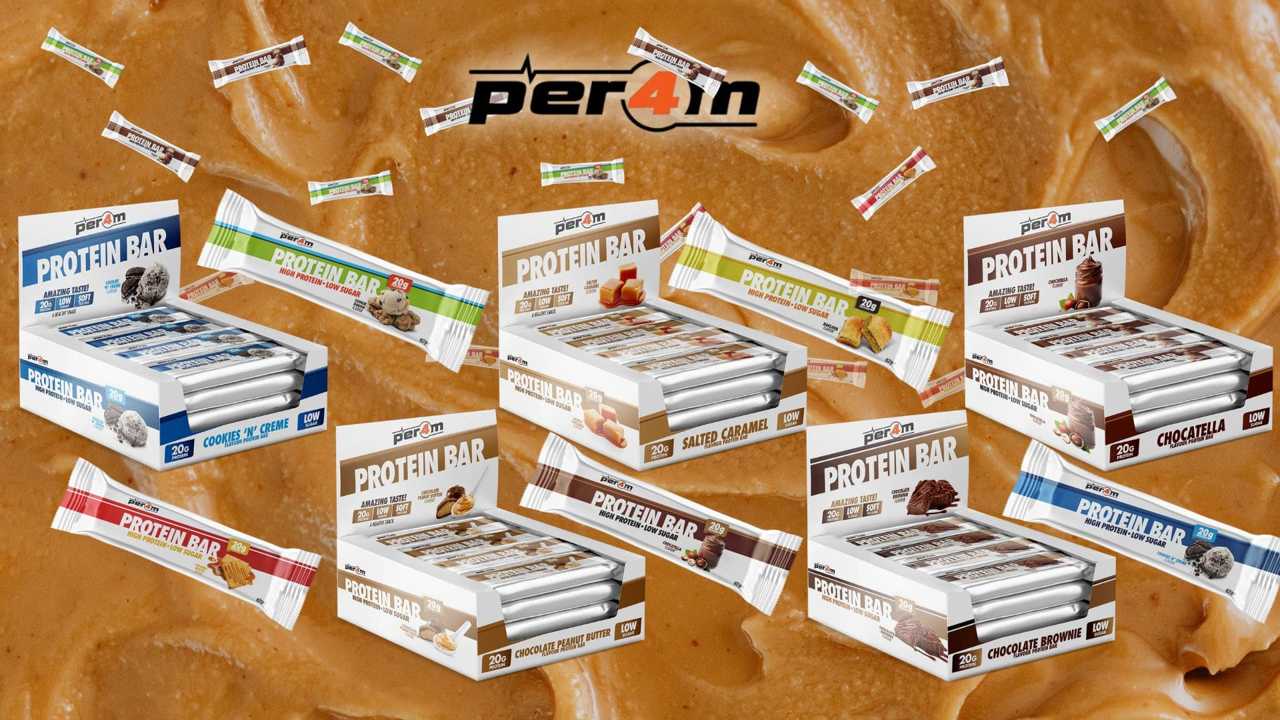
Most Popular Flavors

Protein_bar_PER4M


  • Dubai Chocolate: Inspired by Dubai’s unique tastes, it delivers a luxurious chocolate experience.

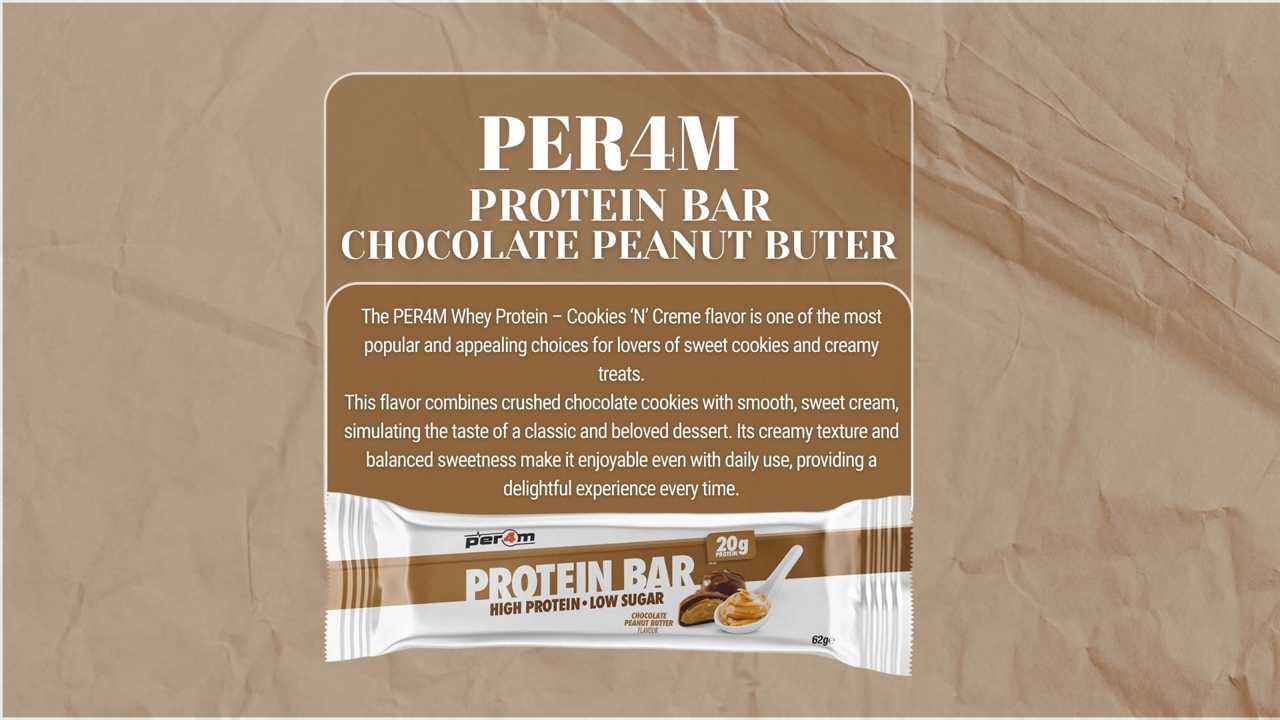
  • Cookies ‘N’ Creme: A creamy and cookie-infused flavor for those who enjoy soft, sweet treats.

  • Cookie Dough: Perfect for fans of rich, creamy, dessert-like flavors.

  • Chocatella: A unique blend of milk chocolate, hazelnut, and caramel.

  • Chocolate Brownie: Light and soft texture with a deep chocolate flavor.

For more flavor options, check out the website.

PER4M PROTEIN BAR LIST

Ingredients and Nutritional Value

These tasty snacks are formulated to meet the body’s nutritional needs and promote overall health, including:

  • Whey protein isolate and hydrolyzed collagen

  • Natural chocolate (milk or dark)

  • Low-sugar sweeteners such as stevia or sucralose

  • Dietary fibers for digestive health

Approximate Nutritional Value per 100g:

  • Energy: 320 kcal

  • Protein: 30–32 g

  • Fat: 9 g

  • Carbohydrates: 35–40 g (very low sugar)

  • Fiber: 8–9 g

  • Salt: <0.6 g


Pros and Cons of Per4m Protein Bars

Per4m-Protein-Bar-Cookies ‘N’ Creme High-Protein-Low-Sugar-62g

Pros:

  • Ideal post-workout or as a nutritious snack during the day

  • Supports muscle growth and recovery

  • No added sugar; suitable for diabetics and low-carb diets

  • Balanced texture—not too dry or too soft

  • Premium choice for an active lifestyle in Dubai’s top neighborhoods

Cons:

  • Some flavors may contain allergens such as soy, dairy, or nuts

  • Artificial sweeteners may not be suitable for everyone


Why Is Whey Protein Important?

Per4m bars contain whey protein, so it’s important to understand why whey is beneficial:

Scientific research shows that whey protein is rapidly digested, supports muscle growth, enhances post-workout recovery, helps prevent muscle breakdown, and positively affects athletic performance Learn more . 


Where to Buy Per4m Protein Bars in Dubai

You can purchase Per4m protein bars in Dubai at Protein for Life—both in-store across the city and online via our website or social media channels.


Frequently Asked Questions (FAQ)

With Per4m’s entry into Dubai, many questions have arisen:

1. Who are Per4m protein bars suitable for?
Athletes, busy individuals, those looking to lose weight, and anyone interested in their nutrition can enjoy these bars.

2. Are Per4m chocolates safe for diabetics?
Yes, thanks to their low sugar content and safe sweeteners. However, consult your doctor if needed.

3. Can I consume Per4m protein bars daily?
One to two bars per day—alongside a regular diet and exercise—should be fine. Balance is key.

4. How does whey protein compare to other protein sources?
Whey is one of the fastest, purest, and most complete protein sources, absorbed quickly and often more effective for athletes than plant proteins or casein.

5. Do Per4m protein bars contain gluten or soy?
Ingredients may vary by flavor; always check the product label if you have allergies.

6. Are other Per4m products available at Protein for Life?
Yes, you can access all Per4m products by visiting the dedicated Per4m page on our site.


Conclusion

Per4m protein bars combine excellent taste with superior nutrition, making them an ideal choice for anyone with an active lifestyle in cities like Dubai. These products are a smart solution for those who value health, fitness, and flavor.
Want to learn more about Per4m? Visit our Per4m dedicated page.

Per4m Official Website