Are vitamins and supplements during pregnancy harmful or beneficial?
Taking supplements during pregnancy is, in most cases, considered a necessary part of medical care and is usually recommended by obstetricians. They play a vital role in the growth and health of the fetus and help prevent anemia in the mother. We will go over these aspects in the following.
In this article, we will cover:
-
Are protein supplements safe during pregnancy?
-
Which supplements should not be taken during pregnancy?
-
Which supplements should be taken during pregnancy?
-
Should pregnancy supplements be continued during breastfeeding?
-
What is the best diet plan for pregnant and breastfeeding mothers?
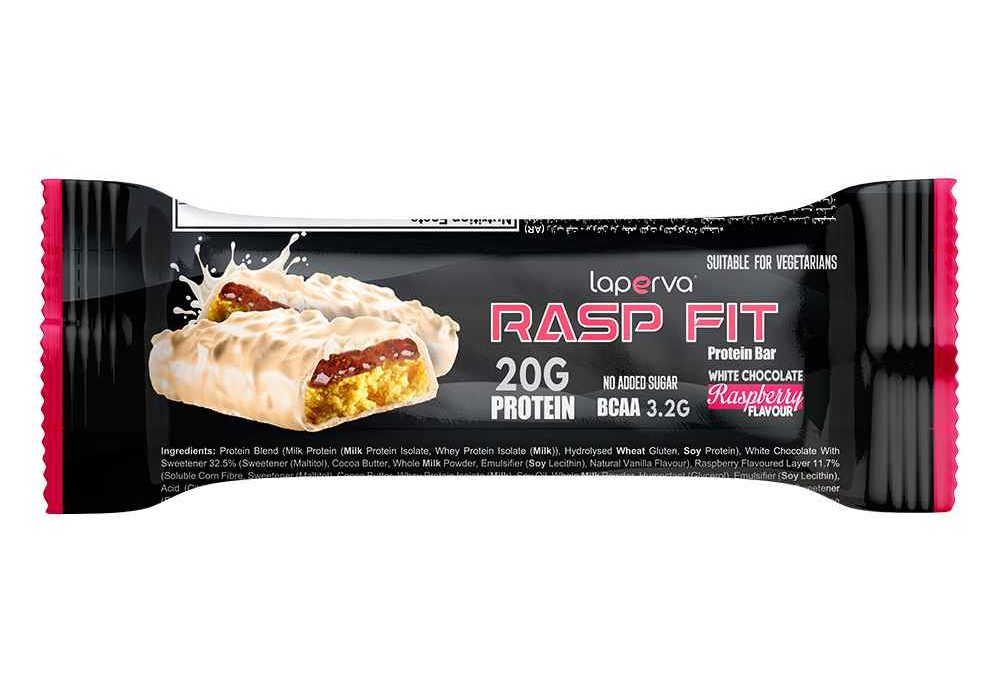
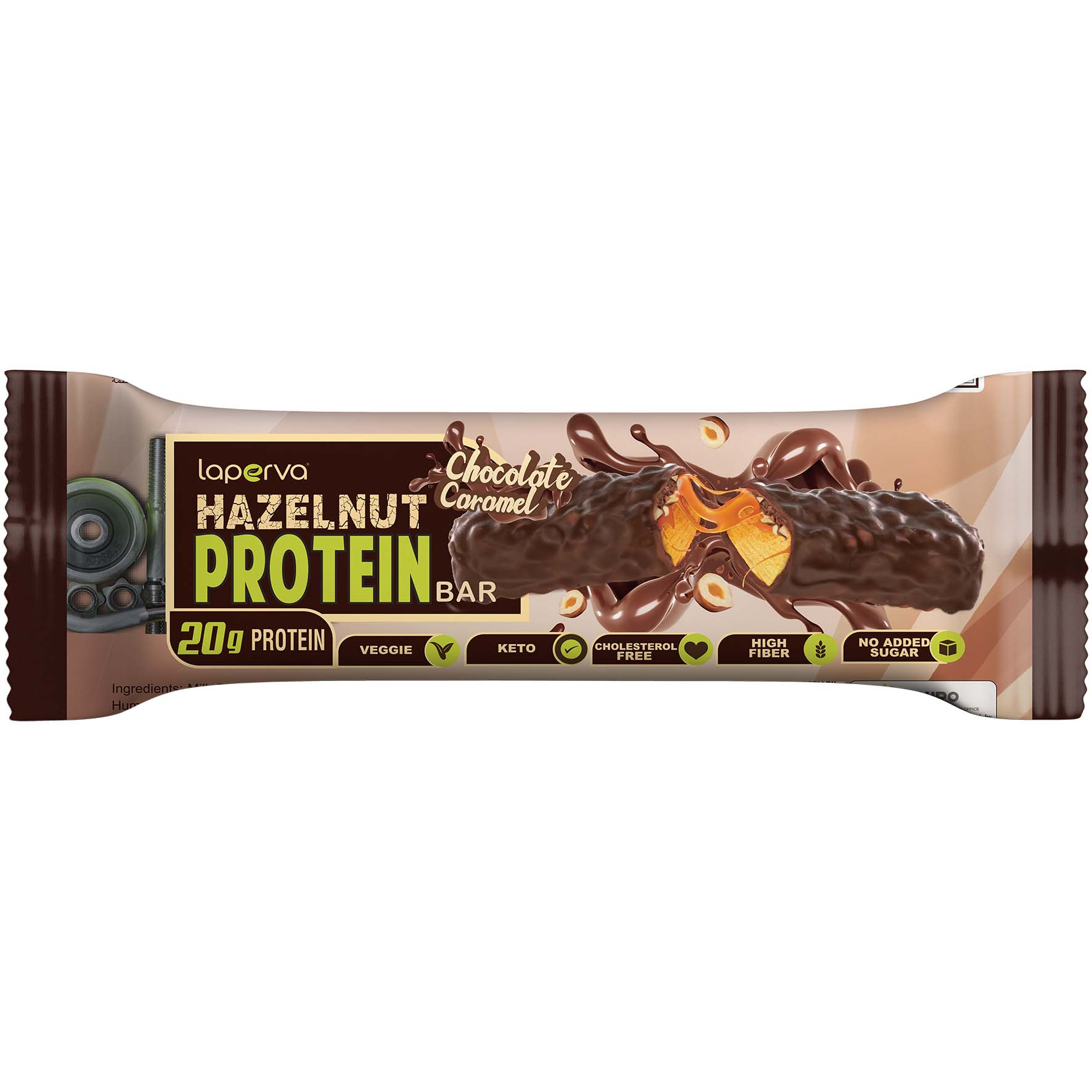
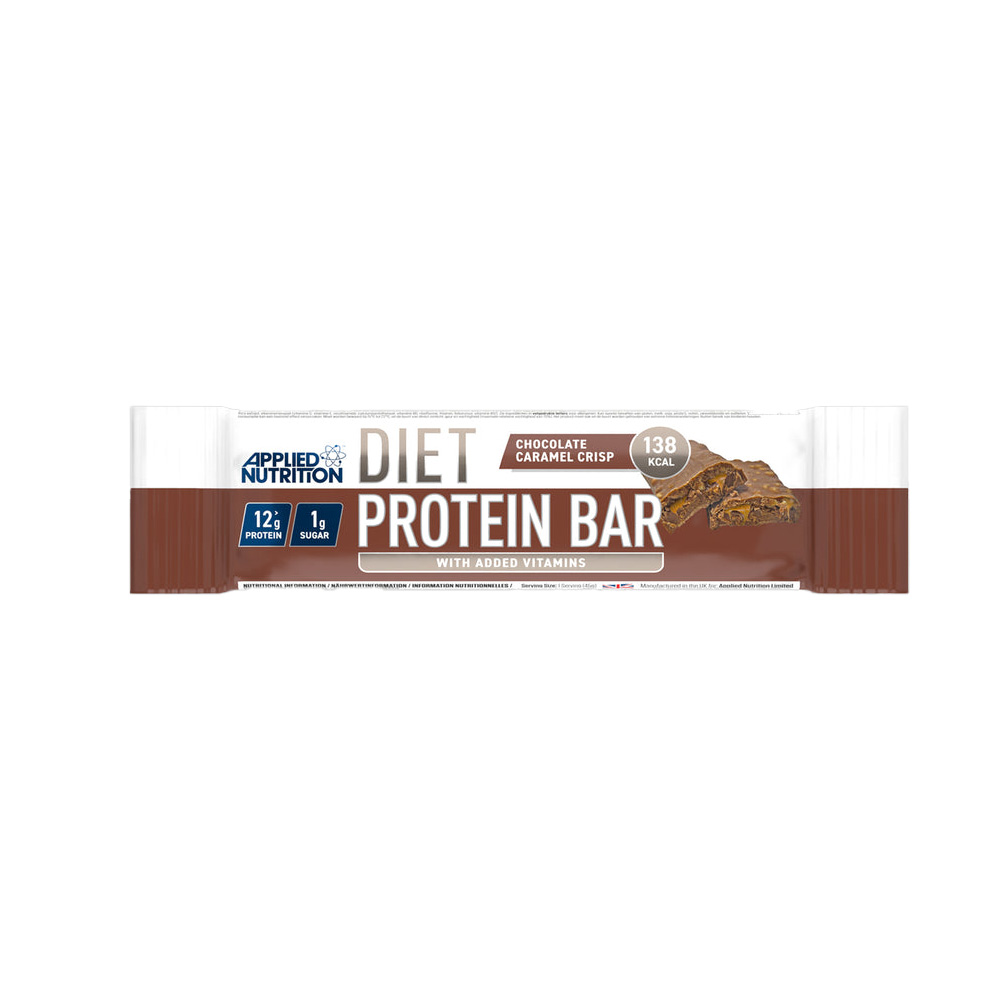
Are protein supplements safe during pregnancy?
The best way to get protein is through natural foods like meat, chicken, fish, eggs, dairy, nuts, and legumes. We will later go over a diet that is suitable for both mother and fetus, but if the body’s needs are not met through food,
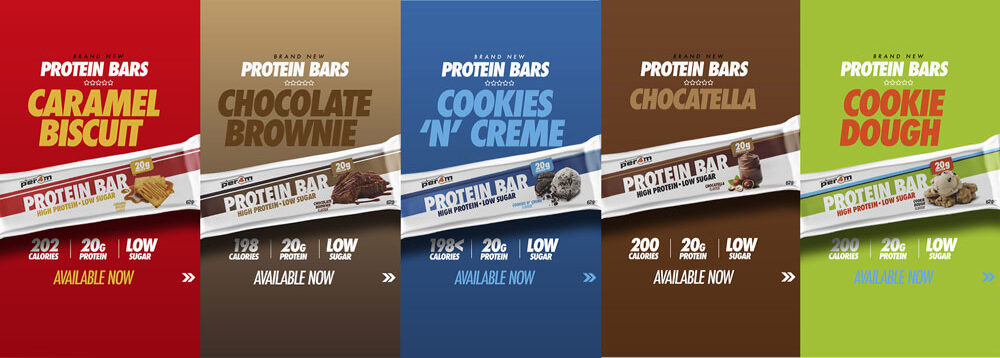
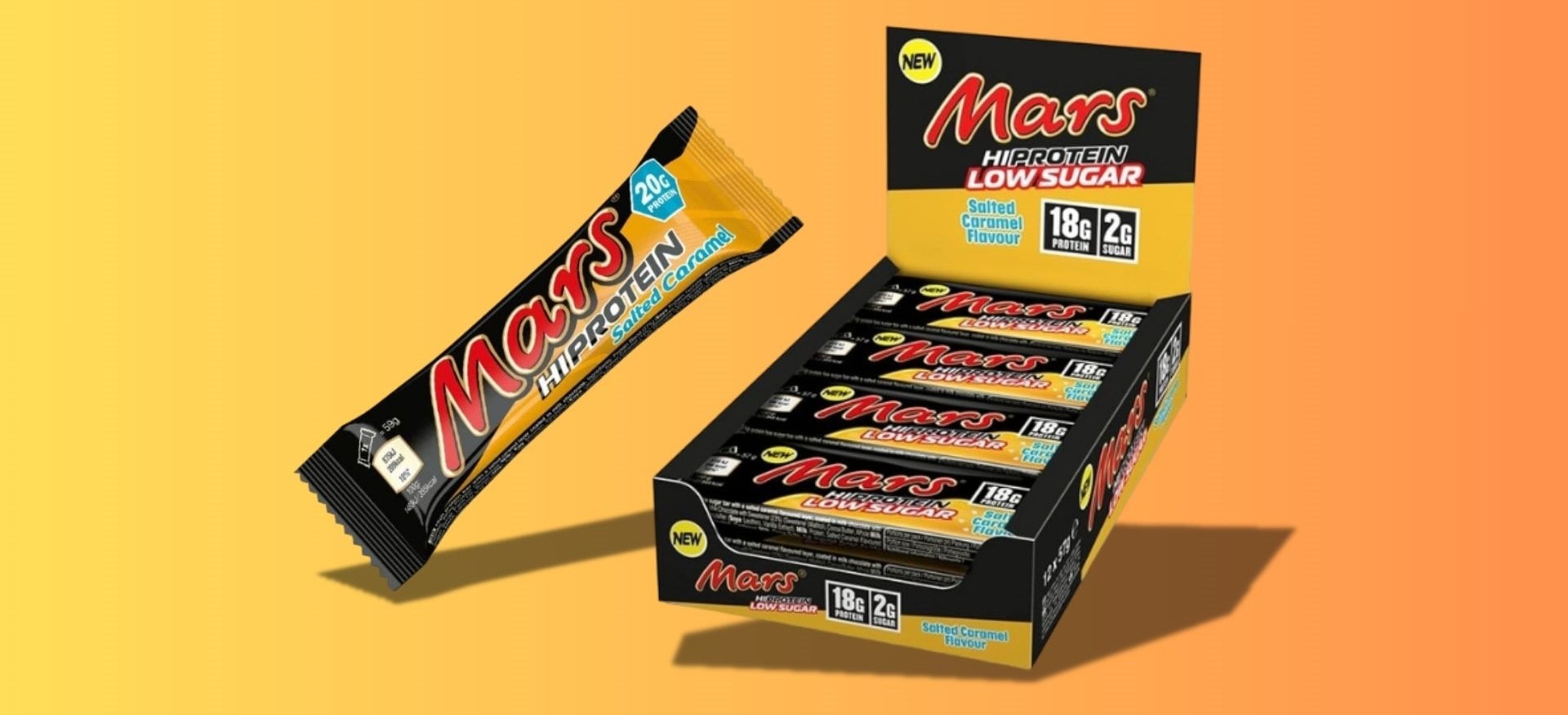
In short, consuming protein powders during pregnancy is not necessarily dangerous, but should be done with caution and under the supervision of a doctor to avoid any risks to the mother and baby. We’ll go into more detail on this:
Protein: A Vital Nutrient During Pregnancy
Protein is essential for the growth and development of the fetus, especially for the formation of critical tissues such as the brain, skin, and muscles. It also helps the mother’s body adapt, including the growth of breast and uterine tissue.
Why should protein powder consumption be approached with caution?

In general, protein and protein consumption are beneficial and essential for the body, but the main concern lies in the additives and extra compounds, such as:
-
Artificial sweeteners: Some sweeteners like saccharin can cross the placenta and may be harmful to the fetus.
-
Unknown chemicals and fillers: Many supplements lack accurate labeling and may contain ingredients not approved for use during pregnancy.
-
Stimulants: Some protein powders contain stimulants like caffeine, which should be limited during pregnancy.
-
Heavy metals: In some cases, supplements may contain trace amounts of heavy metals due to the manufacturing process, which can be harmful to the fetus.
Conclusion
Protein powders can be a suitable option in situations where the mother cannot meet her protein needs through diet (such as in cases of severe nausea and vomiting). However,
To minimize risks related to protein supplement intake for both mother and fetus, it is recommended to follow these guidelines: prioritize organic and healthy protein-rich foods. If additional protein is needed, consult a doctor. Be sure to use high-quality, approved products and verify their authenticity.
Which supplements should NOT be taken during pregnancy?
Some supplements are banned or risky during pregnancy and should be avoided. The most important include:
-
Vitamin A (Retinol): Excess intake of Vitamin A can cause birth defects and liver damage in the mother.
-
Vitamin E: Some studies suggest that high doses of Vitamin E may increase the risk of premature rupture of membranes.
-
Herbal and medicinal supplements: Many herbal supplements are banned due to a lack of sufficient research on their safety during pregnancy.
-
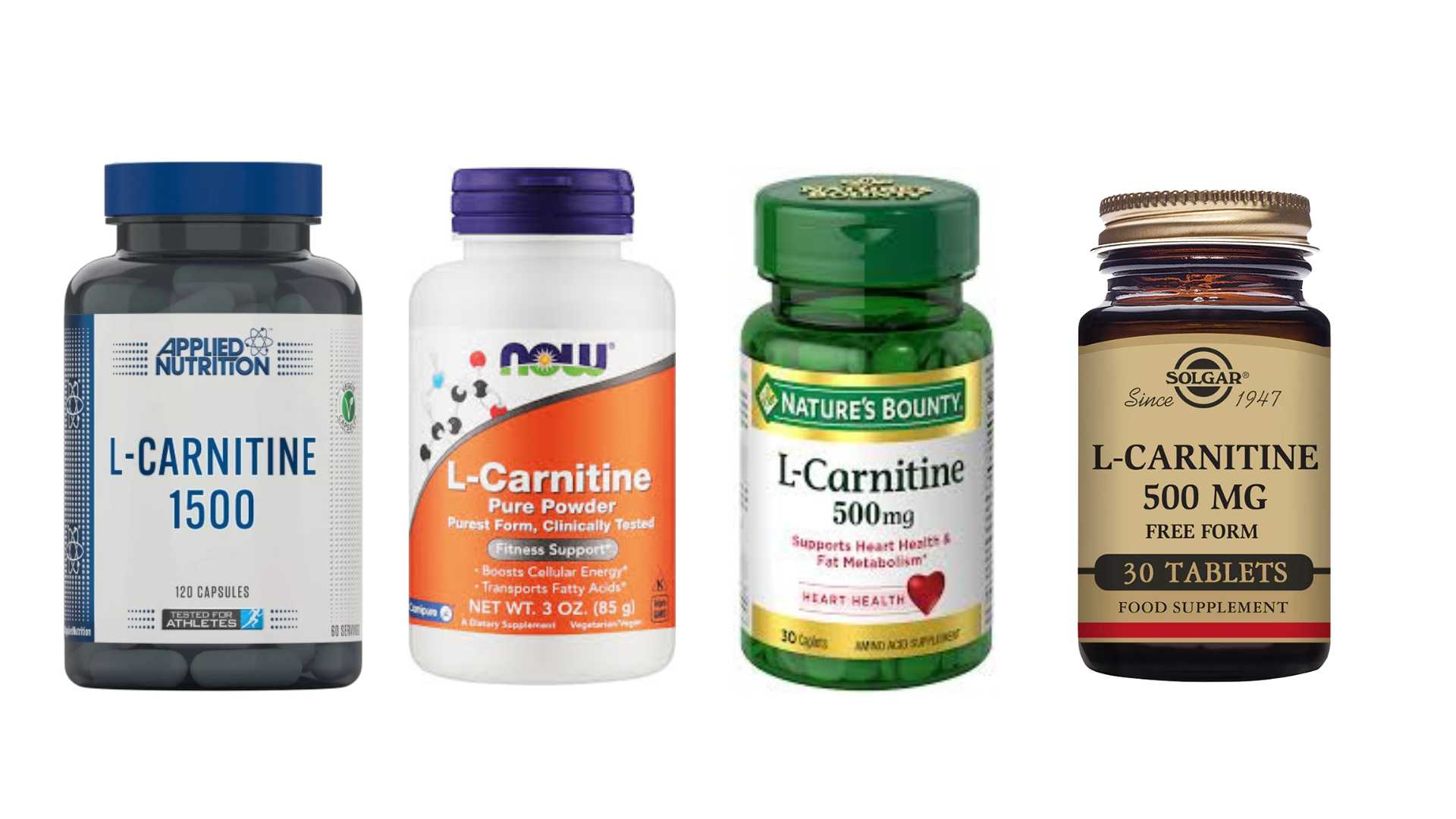
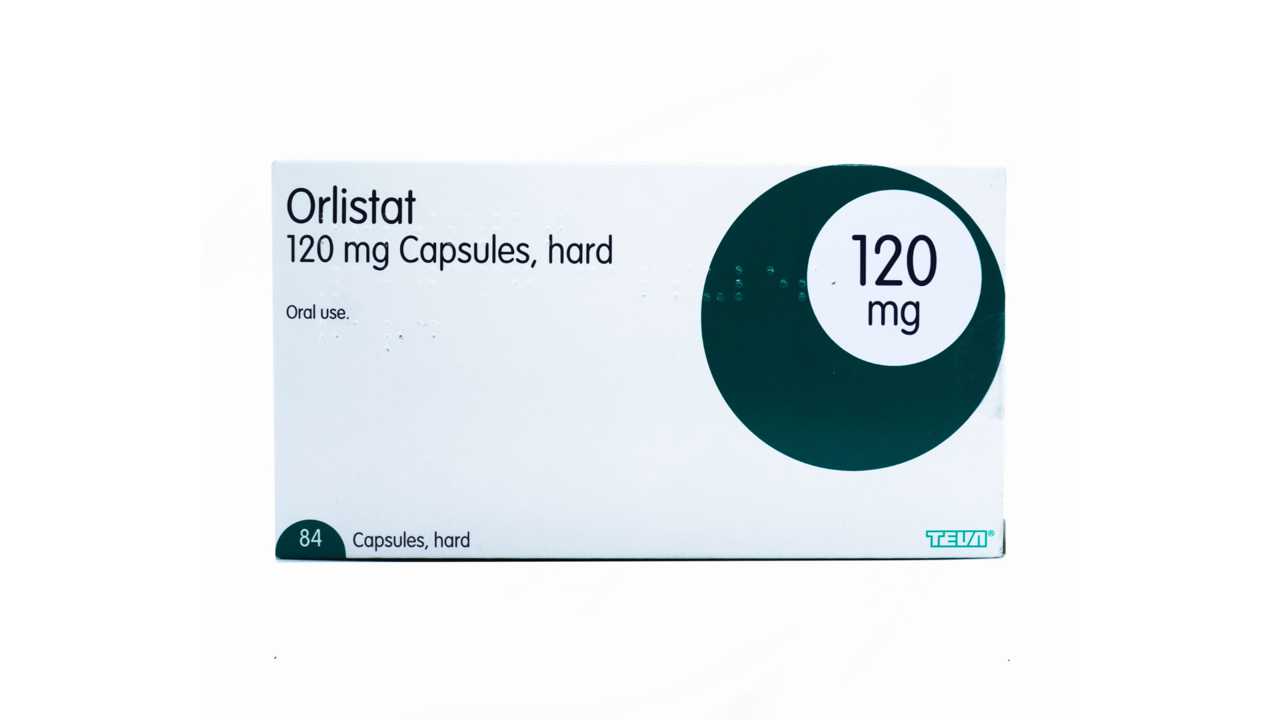
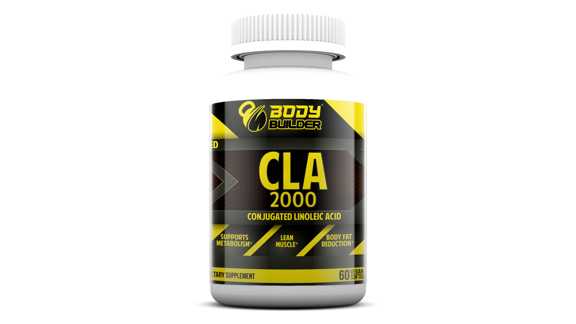
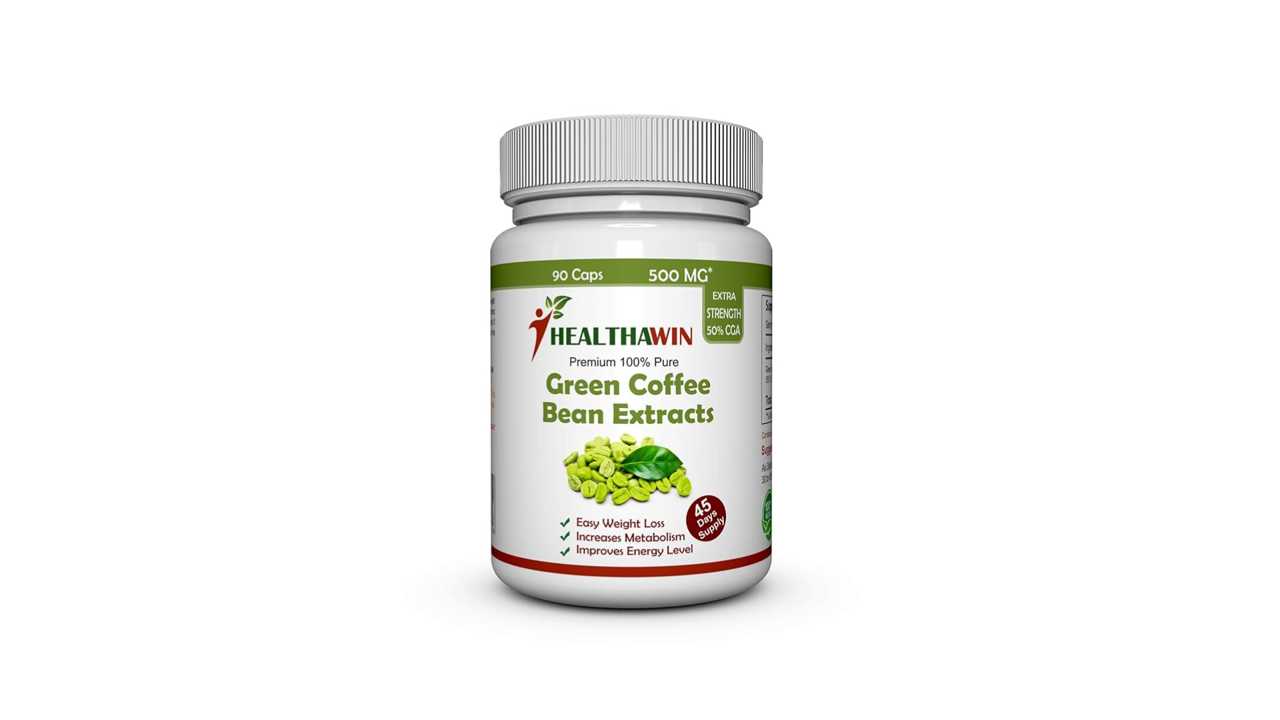
Weight-loss and sports supplements: Some of these supplements may contain harmful or unapproved substances.
-
Supplements with unknown ingredients: Especially those not regulated by health authorities, as they may contain heavy metals, contaminants, or harmful additives.
Which supplements Should be taken during pregnancy?
1. Folic Acid
-
Why is it essential? Folic acid (or folate) plays a critical role in preventing serious birth defects in the brain and spinal cord (like neural tube defects).
-
When should it be taken? It’s best to start taking folic acid one to three months before pregnancy and continue until the end of the 16th week of pregnancy. If the pregnancy is unplanned, it should be started immediately upon finding out.
2. Iron
-
Why is it essential? The body’s iron needs nearly double during pregnancy. Iron is essential for red blood cell production, oxygen delivery to the fetus, and preventing maternal anemia. Severe anemia can increase the risk of preterm labor and low birth weight.
-
When should it be taken? Iron supplements are usually prescribed by the doctor starting in the second trimester.
3. Vitamin D
-
Why is it essential? This vitamin aids in calcium absorption and is vital for the development of bones and teeth in the fetus, and for maintaining maternal bone health. A deficiency can increase the risk of preeclampsia, gestational diabetes, and preterm birth.
-
When should it be taken? Due to the high prevalence of vitamin D deficiency, supplementation is usually recommended before and during pregnancy.
4. Calcium
-
Why is it essential? Calcium is crucial for forming strong bones and teeth in the fetus. If not enough calcium is consumed through diet, the mother’s body will pull it from her bones, potentially leading to reduced bone density.
-
When should it be taken? If dietary calcium intake is insufficient (e.g., from dairy), your doctor may prescribe a calcium supplement.
5. Iodine
-
Why is it essential? Iodine is vital for proper thyroid function in the mother and for the development of the baby’s nervous system and brain. Deficiency can lead to hypothyroidism in the fetus and developmental delays.
6. Omega-3
-
Why is it essential? Omega-3 fatty acids, especially DHA, are critical for the baby’s brain and vision development.
-
When should it be taken? It is beneficial throughout pregnancy. If you don’t eat fatty fish regularly, you may need to take a supplement.
Many doctors recommend prenatal multivitamins to ensure all nutrient needs are met. Again, always consult a physician before starting any supplement.
Should pregnancy supplements be continued during breastfeeding?
Yes, taking supplements during breastfeeding is just as important as during pregnancy. A mother’s body needs more nutrients to produce high-quality milk and maintain her own health. The supplements mentioned for pregnancy also support the mother’s health and the quality of breast milk during the postpartum period.
What is the best diet plan for pregnant and breastfeeding mothers?

The best diet plan for pregnant and breastfeeding mothers is a balanced and varied one that meets all the body’s nutritional needs for fetal development and quality milk production.
General principles of a healthy diet:
-
Protein sources: Lean meat, chicken, fish, eggs, legumes (lentils, beans), nuts, and dairy
-
Carbohydrates: Whole grain bread and cereals, brown rice, vegetables, and fruits
-
Healthy fats: Avocados, nuts (walnuts, almonds), seeds (flaxseed, chia), and olive oil
Tips for each phase:
During pregnancy:
-
Managing morning sickness: Eat small, frequent meals and avoid fatty or spicy foods.
-
Staying hydrated: Drink at least 8 to 10 glasses of water per day.
-
Avoiding risky foods: Stay away from undercooked foods such as sushi or rare meats, as they may contain harmful bacteria.
During breastfeeding:
-
Increased calories: Your body needs more calories to produce milk. Try to include nutrient-dense, energy-rich foods in your main meals and snacks.
-
Increased fluids: Drink plenty of water and fluids to ensure sufficient milk supply.
-
Watch for baby’s reaction: Some foods (like cabbage, broccoli, onions) may cause gas in babies. If your baby becomes fussy after you eat a certain food, try eliminating it from your diet.