
Creatine Explained as a Complete Guide to Benefits, Uses, and Safety

What Is Creatine?
In the simplest terms, creatine is a compound made of three amino acids that supplies energy to your muscles and increases strength.
However, understanding what creatine is and how it works requires a deeper explanation so that you can become more familiar with topics such as:
-
What creatine is
-
How creatine works
-
Benefits & Side effects of creatine
-
When to take creatine
-
How and how much creatine to take
-
And related questions
- Which creatine should I buy?
What Is Creatine From a Scientific Perspective?
Creatine is a natural compound made from three amino acids: arginine, glycine, and methionine, which is naturally produced in the human body (mainly in skeletal muscles).
About 95% of the body’s creatine is stored in muscles, while the remaining amount is found in the brain and other tissues.
The human body produces approximately 1 to 2 grams of creatine per day, and a similar amount can be obtained through foods such as red meat and seafood.
This supplement is used not only by bodybuilders but also by strength athletes, speed athletes, and even in certain therapeutic fields.
Types of Creatine
Creatine Supplements:
-
Creatine Monohydrate
-
Micronized Creatine
-
Creatine HCL
-
Creatine Ethyl Ester
-
Buffered Creatine
-
Creatine Nitrate
-
Liquid Creatine
- Creatine Citrate
- Creatine Malate
- Creatine Phosphate
How Does Creatine Work in the Body?

How Creatine Works in the Body:
Rapid Energy Production (ATP)
During intense activities such as:
-
Weightlifting
-
Sprinting
-
HIIT workouts
Muscles rely on ATP as their primary energy source, which is depleted very quickly.
Creatine, by converting into phosphocreatine, helps regenerate ATP rapidly.
Result:
-
More repetitions
-
Heavier weights
-
Less energy loss
Benefits & Side effects of creatine
Benefits of Creatine
As explained above regarding how creatine works in the body, creatine offers many benefits for athletes, including:
-
Improved performance
-
Faster recovery
-
Reduced dehydration and muscle cramps
-
Increased muscle mass (due to water entering muscle cells)
-
Support for more intense activities
-
Reduced muscle damage
-
Support and protection of brain function
But Is Creatine Harmful to the Body?
Creatine is safe for healthy individuals when consumed at standard doses.
However, in rare cases, the following side effects may occur.
Possible Side Effects of Creatine:
-
Weight gain
-
Dizziness
-
Nausea and vomiting
-
Diarrhea
It is important to note that these symptoms are rare and uncommon, but if any of them occur:
-
Reduce your dosage
-
Ensure the authenticity of the product you are using
-
Consult a physician
When Should You Consult a Doctor?

-
If you have kidney disease
-
If you are pregnant or breastfeeding
-
If you are taking specific medications
-
If you have a history of underlying medical conditions
When Should You Take Creatine?
Now that we know what creatine is and assume there are no medical issues, when is the best time to take it?
In reality, creatine does not have strict timing requirements, and its effectiveness depends more on consistent daily use.
However, the following timing is generally recommended:
Practical Recommendation:
-
Training days: Before or after workouts
-
Rest days: With meals
On workout days, research shows that it may be better
to take creatine shortly before or after you exercise, rather than long
before or after.
On rest days, it may be beneficial to take it with food, but the timing
is probably not as important as on exercise days.
How and How Much Creatine Should You Take?
The general recommendation for people who take a creatine supplement
is 3 to 5 grams per day.
Studies show that loading up on a higher dose of creatine offers no advantages;
it only places additional stress on the kidneys.
Which Creatine Is Best for Purchase and Use?
If you are planning to buy creatine and feel unsure about the available options, the best and most reliable choice for most people is creatine monohydrate (in powder form). This type of creatine has the strongest scientific support, proven effectiveness, and offers the best balance in terms of price and safety.
If you have a sensitive stomach, micronized creatine monohydrate can be a better option due to its improved solubility. Other forms of creatine are mainly produced for convenience and do not offer significant advantages over monohydrate.
To learn more about the different types of creatine, their differences, how to choose the best option, and proper usage guidelines, read our complete creatine guide on our dedicated page.
Additional Frequently Asked Questions About Creatine
Does creatine cause water retention under the skin?
No. Creatine draws water into muscle cells, not under the skin. This does not cause bloating or a puffy appearance.
Does creatine affect blood pressure?
In healthy individuals, standard creatine intake has not been shown to negatively affect blood pressure. People with cardiovascular conditions should consult a healthcare professional.
Do you need to drink more water when taking creatine?
Yes. Since creatine increases water uptake in muscle cells, staying well hydrated helps prevent dehydration and muscle cramps.
Can creatine be taken with caffeine or coffee?
Creatine can be taken with caffeine, but high caffeine intake may cause digestive discomfort in some individuals. Moderation is recommended.
Does creatine increase appetite?
Creatine does not directly increase appetite. However, improved training performance may lead to higher calorie needs.
Is creatine suitable for skinny or underweight individuals?
Yes. Creatine can help underweight individuals train harder and support muscle gain when combined with proper nutrition.
Is creatine safe for older adults?
When no underlying medical conditions are present and with medical approval, creatine may help maintain muscle strength and function in older adults.
Does creatine cause dependency?
No. Creatine does not create physical dependence. The body continues its natural creatine production after supplementation stops.
Does creatine affect sleep quality?
Creatine does not negatively impact sleep. Some users report improved sleep quality due to better recovery.
Can creatine be taken on an empty stomach?
Yes. Creatine can be taken on an empty stomach, though some people prefer taking it with food for better stomach comfort.
Is creatine beneficial for endurance athletes?
Creatine is most effective for strength and explosive activities, but it may also support short-duration endurance performance
Does the brand and quality of creatine matter?
Yes. Product purity, manufacturing standards, and third-party testing play an important role in both safety and effectiveness.
Can creatine be used during a fat-loss phase?
Yes. Creatine helps preserve strength and muscle mass during calorie restriction, even if body weight does not decrease.
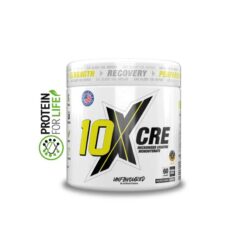
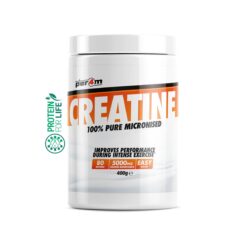
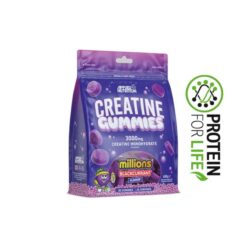
Check our Featured Creatine Products!




Final Summary
Creatine is one of the safest, most effective, and most scientifically supported sports supplements.
When used correctly, it can significantly improve performance, strength, muscle mass, and recovery.