
Category Archives: amino acid

What Is Creatine? | Benefits, How to Use & Everything You Need to Know

Creatine Explained as a Complete Guide to Benefits, Uses, and Safety
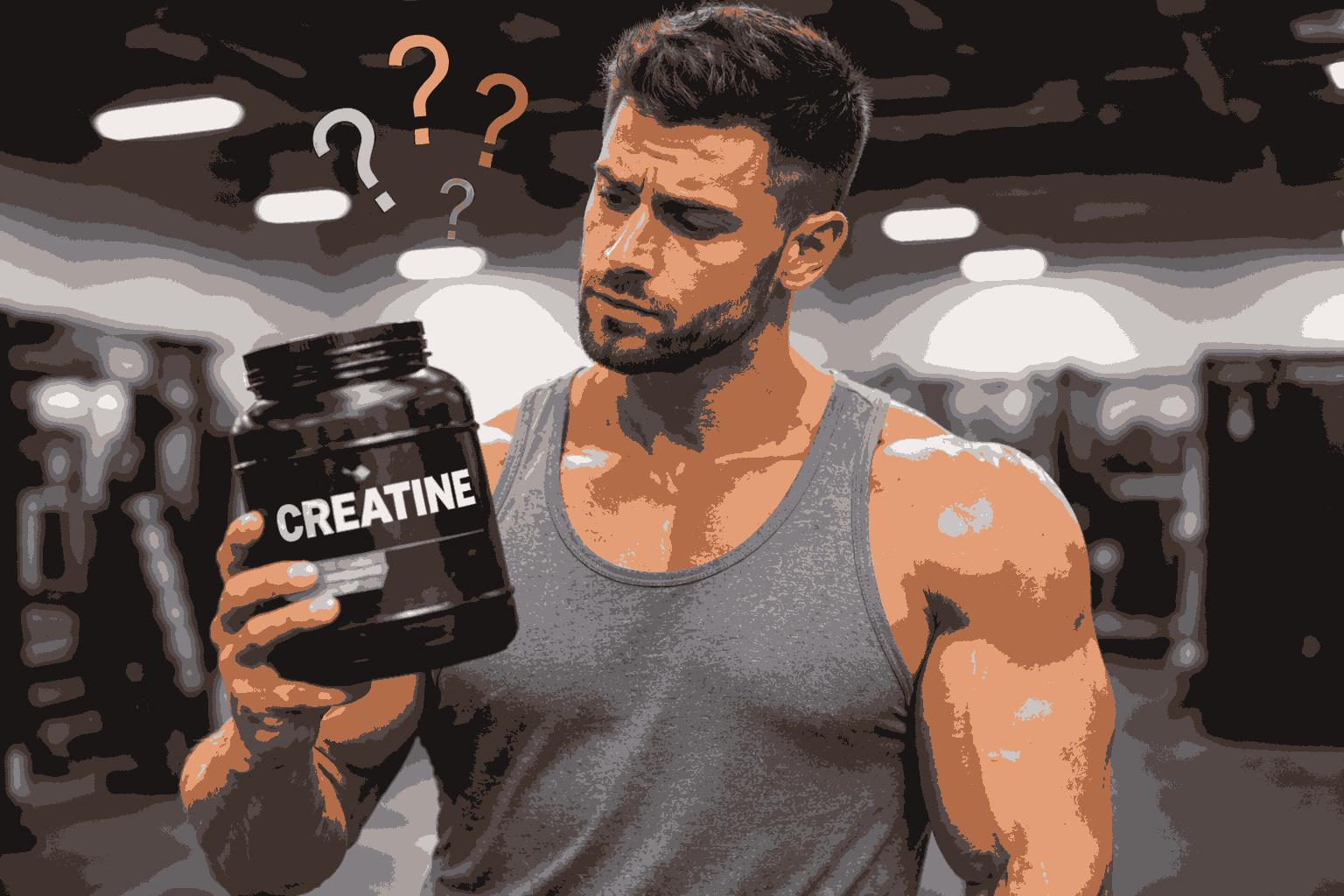
WHAT-IS-CREATINE

What Is Creatine?

In the simplest terms, creatine is a compound made of three amino acids that supplies energy to your muscles and increases strength.
However, understanding what creatine is and how it works requires a deeper explanation so that you can become more familiar with topics such as:

  • What creatine is

  • How creatine works

  • Benefits & Side effects of creatine

  • When to take creatine

  • How and how much creatine to take

  • And related questions

  • Which creatine should I buy?

What Is Creatine From a Scientific Perspective?

Creatine is a natural compound made from three amino acids: arginine, glycine, and methionine, which is naturally produced in the human body (mainly in skeletal muscles).
About 95% of the body’s creatine is stored in muscles, while the remaining amount is found in the brain and other tissues.

The human body produces approximately 1 to 2 grams of creatine per day, and a similar amount can be obtained through foods such as red meat and seafood.

This supplement is used not only by bodybuilders but also by strength athletes, speed athletes, and even in certain therapeutic fields.

Types of Creatine

Creatine Supplements:

  • Creatine Monohydrate

  • Micronized Creatine

  • Creatine HCL

  • Creatine Ethyl Ester

  • Buffered Creatine

  • Creatine Nitrate

  • Liquid Creatine

  • Creatine Citrate
  • Creatine Malate
  • Creatine Phosphate

How Does Creatine Work in the Body?How-Does-Creatine-Work in-the-Body
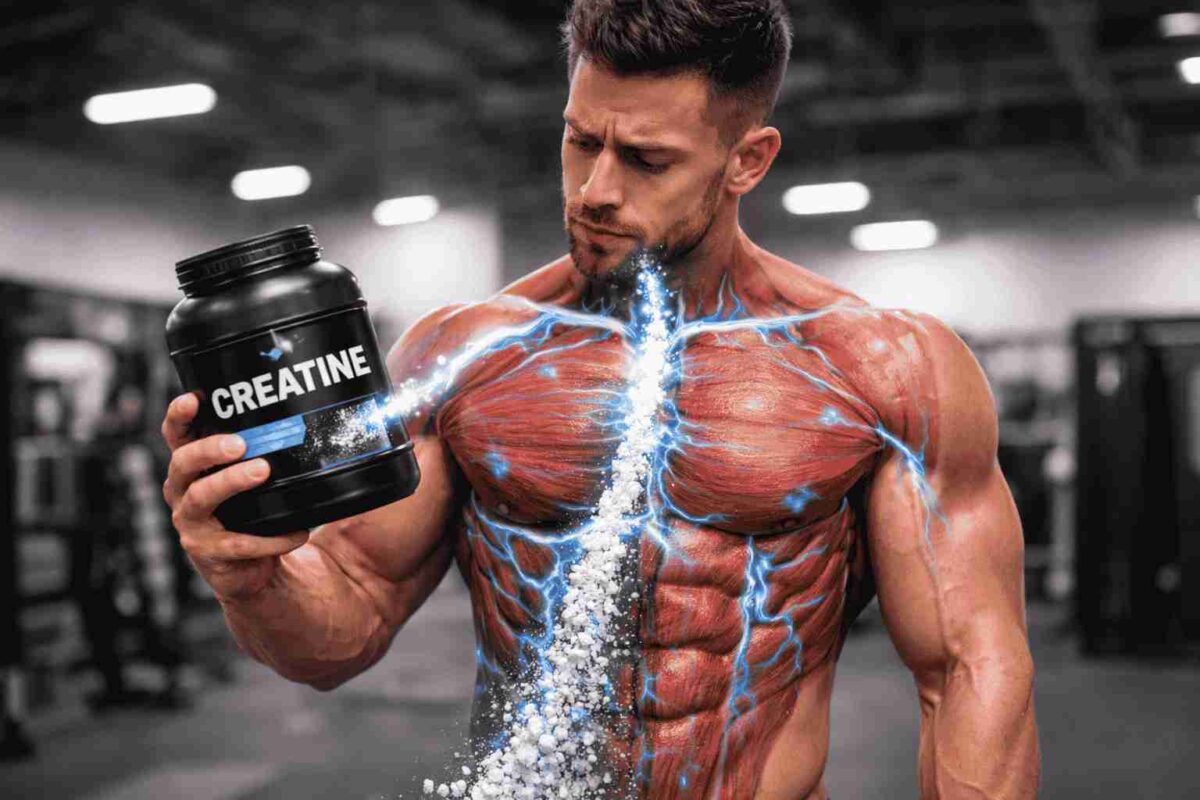
How Creatine Works in the Body:

Rapid Energy Production (ATP)

During intense activities such as:

  • Weightlifting

  • Sprinting

  • HIIT workouts

Muscles rely on ATP as their primary energy source, which is depleted very quickly.
Creatine, by converting into phosphocreatine, helps regenerate ATP rapidly.

Result:

  • More repetitions

  • Heavier weights

  • Less energy loss

Benefits & Side effects of creatine

Benefits of Creatine

As explained above regarding how creatine works in the body, creatine offers many benefits for athletes, including:

  • Improved performance

  • Faster recovery

  • Reduced dehydration and muscle cramps

  • Increased muscle mass (due to water entering muscle cells)

  • Support for more intense activities

  • Reduced muscle damage

  • Support and protection of brain function

But Is Creatine Harmful to the Body?

Creatine is safe for healthy individuals when consumed at standard doses.
However, in rare cases, the following side effects may occur.

Possible Side Effects of Creatine:

  • Weight gain

  • Dizziness

  • Nausea and vomiting

  • Diarrhea

It is important to note that these symptoms are rare and uncommon, but if any of them occur:

  • Reduce your dosage

  • Ensure the authenticity of the product you are using

  • Consult a physician

When Should You Consult a Doctor?

When Should You Consult a Doctor

  • If you have kidney disease

  • If you are pregnant or breastfeeding

  • If you are taking specific medications

  • If you have a history of underlying medical conditions

When Should You Take Creatine?

Now that we know what creatine is and assume there are no medical issues, when is the best time to take it?

In reality, creatine does not have strict timing requirements, and its effectiveness depends more on consistent daily use.
However, the following timing is generally recommended:

Practical Recommendation:

  • Training days: Before or after workouts

  • Rest days: With meals


On workout days, research shows that it may be better
to take creatine shortly before or after you exercise, rather than long
before or after.


On rest days, it may be beneficial to take it with food, but the timing
is probably not as important as on exercise days.

How and How Much Creatine Should You Take?

The general recommendation for people who take a creatine supplement
is 3 to 5 grams per day.

Studies show that loading up on a higher dose of creatine offers no advantages;
it only places additional stress on the kidneys.

Which Creatine Is Best for Purchase and Use?

If you are planning to buy creatine and feel unsure about the available options, the best and most reliable choice for most people is creatine monohydrate (in powder form). This type of creatine has the strongest scientific support, proven effectiveness, and offers the best balance in terms of price and safety.

If you have a sensitive stomach, micronized creatine monohydrate can be a better option due to its improved solubility. Other forms of creatine are mainly produced for convenience and do not offer significant advantages over monohydrate.

To learn more about the different types of creatine, their differences, how to choose the best option, and proper usage guidelines, read our complete creatine guide on our dedicated page.

Additional Frequently Asked Questions About Creatine

Does creatine cause water retention under the skin?

No. Creatine draws water into muscle cells, not under the skin. This does not cause bloating or a puffy appearance.

Does creatine affect blood pressure?

In healthy individuals, standard creatine intake has not been shown to negatively affect blood pressure. People with cardiovascular conditions should consult a healthcare professional.

Do you need to drink more water when taking creatine?

Yes. Since creatine increases water uptake in muscle cells, staying well hydrated helps prevent dehydration and muscle cramps.

Can creatine be taken with caffeine or coffee?

Creatine can be taken with caffeine, but high caffeine intake may cause digestive discomfort in some individuals. Moderation is recommended.

Does creatine increase appetite?

Creatine does not directly increase appetite. However, improved training performance may lead to higher calorie needs.

Is creatine suitable for skinny or underweight individuals?

Yes. Creatine can help underweight individuals train harder and support muscle gain when combined with proper nutrition.

Is creatine safe for older adults?

When no underlying medical conditions are present and with medical approval, creatine may help maintain muscle strength and function in older adults.

Does creatine cause dependency?

No. Creatine does not create physical dependence. The body continues its natural creatine production after supplementation stops.

Does creatine affect sleep quality?

Creatine does not negatively impact sleep. Some users report improved sleep quality due to better recovery.

Can creatine be taken on an empty stomach?

Yes. Creatine can be taken on an empty stomach, though some people prefer taking it with food for better stomach comfort.

Is creatine beneficial for endurance athletes?

Creatine is most effective for strength and explosive activities, but it may also support short-duration endurance performance

Does the brand and quality of creatine matter?

Yes. Product purity, manufacturing standards, and third-party testing play an important role in both safety and effectiveness.

Can creatine be used during a fat-loss phase?

Yes. Creatine helps preserve strength and muscle mass during calorie restriction, even if body weight does not decrease.

Check our Featured Creatine Products!

Price range: AED 69,00 through AED 99,00
This product has multiple variants. The options may be chosen on the product page
Price range: AED 45,00 through AED 139,00
This product has multiple variants. The options may be chosen on the product page
AED 135,00
This product has multiple variants. The options may be chosen on the product page
Original price was: AED 96,00.Current price is: AED 83,00.
Price range: AED 55,00 through AED 110,00
This product has multiple variants. The options may be chosen on the product page
Price range: AED 119,00 through AED 130,00
This product has multiple variants. The options may be chosen on the product page

Final Summary

Creatine is one of the safest, most effective, and most scientifically supported sports supplements.
When used correctly, it can significantly improve performance, strength, muscle mass, and recovery.

Are Supplements Harmful? Facts You Should Know Before You Take Them

Are Supplements Harmful? Facts You Should Know Before You Take Them

Are Supplements Harmful?

In recent years, dietary supplements have become an inseparable part of many people’s lifestyles. From multivitamins to protein powders and herbal capsules, millions rely on supplements to improve health, boost athletic performance, or fill nutritional gaps.

But one essential question always arises:
Are supplements harmful?

In this comprehensive article, we’ll explore what supplements are, their potential benefits and risks, expert opinions from around the world, and how to use them safely. Whether you’re an athlete or someone who cares about your body and well-being, this guide will help you make better-informed decisions.


What Is a Supplement?

According to the U.S. Food and Drug Administration (FDA), a dietary supplement is a product intended to supplement the diet and may contain one or more of the following:

  • Vitamins

  • Minerals

  • Amino acids

  • Herbs or botanical extracts

  • Enzymes or probiotics

Supplements come in various forms such as pills, capsules, powders, beverages, bars, and liquid drops.


Benefits of Supplements

  1. Filling Nutritional Gaps:
    Ideal for people with restrictive diets or vitamin deficiencies.

  2. Enhancing Athletic Performance:
    Supplements like whey protein, creatine, and BCAAs support muscle growth, endurance, and recovery.

  3. Targeted Health Goals:

    • Omega-3: Heart health

    • Calcium & Vitamin D: Bone strength

    • Iron: Treating anemia


Are Supplements Harmful?

Supplements aren’t inherently harmful—but they can become dangerous when misused, overdosed, or sourced from poor-quality brands.

 Common Risks:

  • Overdose & Toxicity:
    Fat-soluble vitamins like A, D, E, and K can build up in the body and lead to toxicity if over-consumed.

  • Drug Interactions:
    For example, St. John’s Wort can interfere with antidepressants or birth control pills.

  • Contamination:
    Some low-quality supplements may contain heavy metals, banned substances, or undeclared drugs.

Real Case:
A 2015 study published in JAMA Internal Medicine found that over 23,000 ER visits in the U.S. each year are linked to dietary supplement-related adverse events.
Source: Geller AI, JAMA Intern Med. 2015;175(2):208–210


What Do Experts Say?

  • Dr. Pieter Cohen (Harvard Medical School):
    “Most people don’t need supplements if they follow a healthy diet. Some supplements can be harmful if taken improperly.”
    Source

  • Dr. Michael Greger (Author of How Not to Die):
    Advocates a whole-food, plant-based diet and recommends Vitamin B12 and D in cases of deficiency.

  • World Health Organization (WHO):
    Advises supplement use only in confirmed deficiency or special medical conditions.
    WHO Guidelines


How to Take Supplements Safely

  1. Always consult a doctor or registered dietitian before use.

  2. Read the “Supplement Facts” label carefully.

  3. Avoid megadoses unless prescribed.

  4. Choose brands with third-party certifications like NSF or USP.

  5. Ignore misleading terms like “all-natural” or “miracle cure.”


How to Read Supplement Labels

  • Serving size and servings per container

  • Amount of active ingredients and % Daily Value

  • Other ingredients (binders, flavors, colors)

  • Manufacturer’s name and contact details

  • Third-party certifications (e.g., NSF, USP)

For a full guide, refer to the NIH Supplement Labeling Resource


What Is the Best Multivitamin for the Body?

The best multivitamin depends on your:

  • Age

  • Gender

  • Dietary habits

  • Activity level

  • Health goals (e.g., muscle gain, weight loss, immune support)

Qualities of a Good Multivitamin:

  • Contains essential vitamins and minerals in balanced doses

  • Free from harmful additives or contaminants

  • Certified by independent labs (NSF, USP, etc.)


Top Multivitamin Brands (2024)

Brand Highlights Certification
Optimum Nutrition Trusted worldwide, known for Gold Standard Whey Informed-Choice Certified
Dymatize Fast absorption, clinically tested, athlete-focused Informed-Sport Certified
Applied Nutrition UK-based, advanced formulas, banned substance tested Informed-Sport Certified

Conclusion

Supplements can support your journey toward better health and physical performance—but only when used wisely, scientifically, and responsibly. No supplement can replace a balanced diet and healthy lifestyle—it can only complement them.


Key Takeaways:

  • Supplements can be beneficial if used correctly

  • Misuse or overuse can be harmful

  • Always consult a professional before use

  • Prioritize whole food nutrition

  • Choose trusted, certified brands only

For original, certified, and safe supplements, visit ProteinForLife—your reliable source for quality sports nutrition.

What Are Amino Acids? |  How to Buy Amino Acids in Dubai

What Are Amino Acids? A Complete Beginner’s Guide | How to Buy in Dubai

What Are Amino Acids? A Complete Beginner’s Guide | Amino Acid, Protein for Life & How to Buy in Dubai

If you’re new to fitness, healthy living, or simply looking to take better care of your body, one of the first terms you’ll come across is amino acid. These tiny but powerful building blocks play a huge role in how your body functions—from muscle growth to mood, energy, and recovery.

In this comprehensive guide, we’ll explain what amino acids are, why they matter, introduce all related supplement types, and tell you how to buy amino acids in Dubai safely. Whether you’re training hard or just beginning your health journey, this article is your go-to reference.


 What Are Amino Acids?

Amino acids are organic compounds that combine to form proteins. Think of them as the “Lego blocks” of your muscles, hormones, enzymes, and even your immune cells. There are 20 amino acids in total, 9 of which are called essential amino acids because the body cannot make them on its own—they must come from your diet or supplements.

Without enough amino acids, your body struggles to build or repair tissue, especially after exercise. That’s why Protein for Life and other leading health brands develop high-quality amino acid supplements for both athletes and beginners.


 Why Are Amino Acids Important?

Amino acid supplementation is crucial for anyone involved in physical activity, dealing with stress, or on a calorie-restricted diet. Even if you’re not an athlete, amino acids contribute to overall well-being and energy.

Key benefits of amino acids:

  • Promote muscle growth and recovery

  • Prevent muscle breakdown during workouts

  • Boost energy and mental focus

  • Support the immune system

  • Help with fat loss while preserving muscle

  • Aid digestion and gut health (especially glutamine)

If you’re aiming for a healthier lifestyle or better workout results, amino acid supplements are one of the best tools to include in your daily routine.


Fruits That Contain Amino Acids (and Other Natural Food Sources)

If you’re looking to get amino acids naturally through food and not supplements, many foods—especially protein-rich ones—are great sources. While fruits aren’t the richest sources, some do contain small amounts of essential and non-essential amino acids.

lemon

Main Food Sources Rich in Amino Acids

To get a complete set of essential amino acids, you should focus on these foods:

Animal-Based Foods (Complete Proteins):

  • Red meat (beef, lamb)

  • Poultry (chicken, turkey)

  • Fish (salmon, tuna, sardines)

  • Eggs (one of the best complete sources)

  • Dairy (milk, yogurt, cheese)

Plant-Based Foods With Amino Acids:

  • Soy and tofu (complete plant protein)

  • Lentils and beans

  • Nuts and seeds (almonds, peanuts, walnuts)

  • Quinoa (a rare complete plant protein)

  • Chia and flax seeds

  • Brown rice, oats

  • Whole-grain bread


Types of Amino Acid Supplements

There are several different kinds of amino acid supplements on the market. Each one serves a specific function, depending on your body’s needs and your fitness goals:

1. BCAA (Branched-Chain Amino Acids)

Includes leucine, isoleucine, and valine—three essential amino acids that help reduce muscle breakdown and fatigue. Perfect for intra-workout or post-workout use.

2. EAA (Essential Amino Acids)

A complete mix of all 9 essential amino acids your body can’t produce on its own. These are ideal for muscle building and recovery, especially during calorie deficits.

3. Glutamine

This amino acid is not essential but becomes conditionally essential during intense exercise or illness. It boosts immunity, supports gut health, and speeds up recovery.

4. Amino Energy

A popular supplement that combines amino acids with caffeine. Great for a pre-workout energy boost or as a clean daily energizer. Optimum Nutrition’s Amino Energy is a top-rated choice.

5. Hydrolyzed Whey Protein

Though technically a protein powder, hydrolyzed whey is pre-digested into peptides and amino acids. It’s fast-absorbing and highly effective for muscle repair after training.


Top Amino Acid Supplement Brands

If you’re shopping for high-quality amino acid supplements, stick to trusted brands. These companies undergo third-party testing and use premium-grade ingredients:

  • Optimum Nutrition (ON)

  • Applied Nutrition

  • Scitec Nutrition

  • Dymatize

  • MuscleTech

  • BSN

  • MyProtein

All of these brands are commonly available in the UAE and are well-known for quality, flavor, and results.


 How to Buy Amino Acids in Dubai

Dubai is a great place to shop for supplements thanks to easy access to global brands and highly regulated import standards. But to stay safe and get genuine products, follow these tips:

 Buying Tips:

  • Always buy from official retailers like Protein for Life UAE, Sporter, Dr. Nutrition, or trusted pharmacy chains.

  • Check product labels for authenticity, expiry dates, and QR/barcode verification.

  • Be cautious of unusually low prices—cheap often means fake.

  • Prefer brands with GMP or FDA approval or third-party lab testing.

  • Read product reviews before you buy.

What Are Amino Acids? Written by Sharon Liao, medically reviewed by Kathlee M. Zelman, RD, LD, MPH.