Author Archives: ADMINE

Scientific review of egg white powder

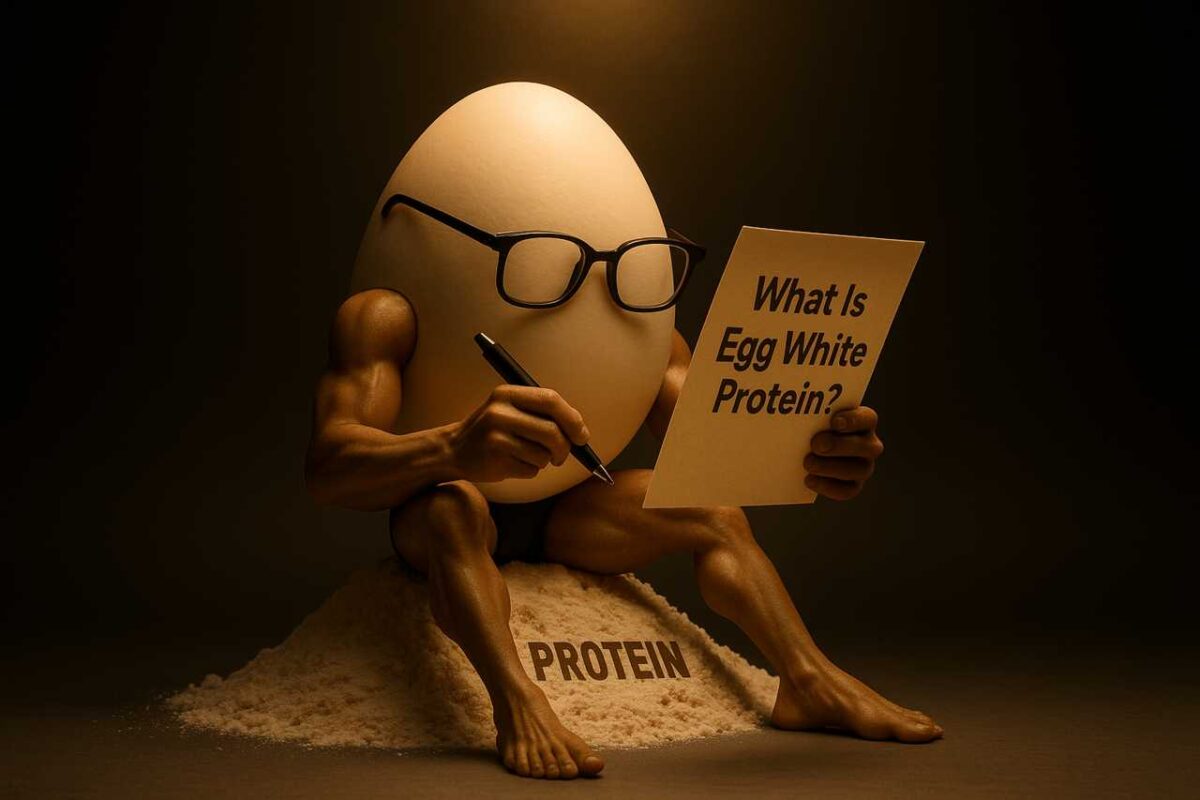
What-Is-Egg White-Protein

Scientific Review, Benefits, Applications, and Introduction to Egg White Protein Powder Supplements

Introduction

You’ve probably heard people say, “Eggs are the king of proteins!” Years ago, bodybuilders even tried to build muscle by drinking raw eggs like Rocky. Thankfully, you don’t need to do anything that extreme anymore. The world of sports nutrition has given you a much easier option: egg white protein powder.

This exciting supplement is becoming increasingly popular among athletes and even everyday people who simply want more protein in their diet. In this article, we’ll take a scientific and comprehensive look at this powder—from what it is and how it’s made, to its health benefits, ways to use it, how it compares to other proteins, and even some brands available in the market.

So if you want to improve your nutrition knowledge or find a new partner on your fitness journey, stay with us!

Headlines

  • What Is Egg White Protein?
  • Scientific and Health Benefits of Egg White Protein

  • Egg White Powder: What It Is and How It’s Produced

  • Comparison With Other Protein Sources

  • Popular Egg White Protein Powders Available in Dubai

  • Who Should Use This Supplement?

  • How to Use Egg White Protein Powder

  • Safety and Precautions

What Is Egg White Protein?
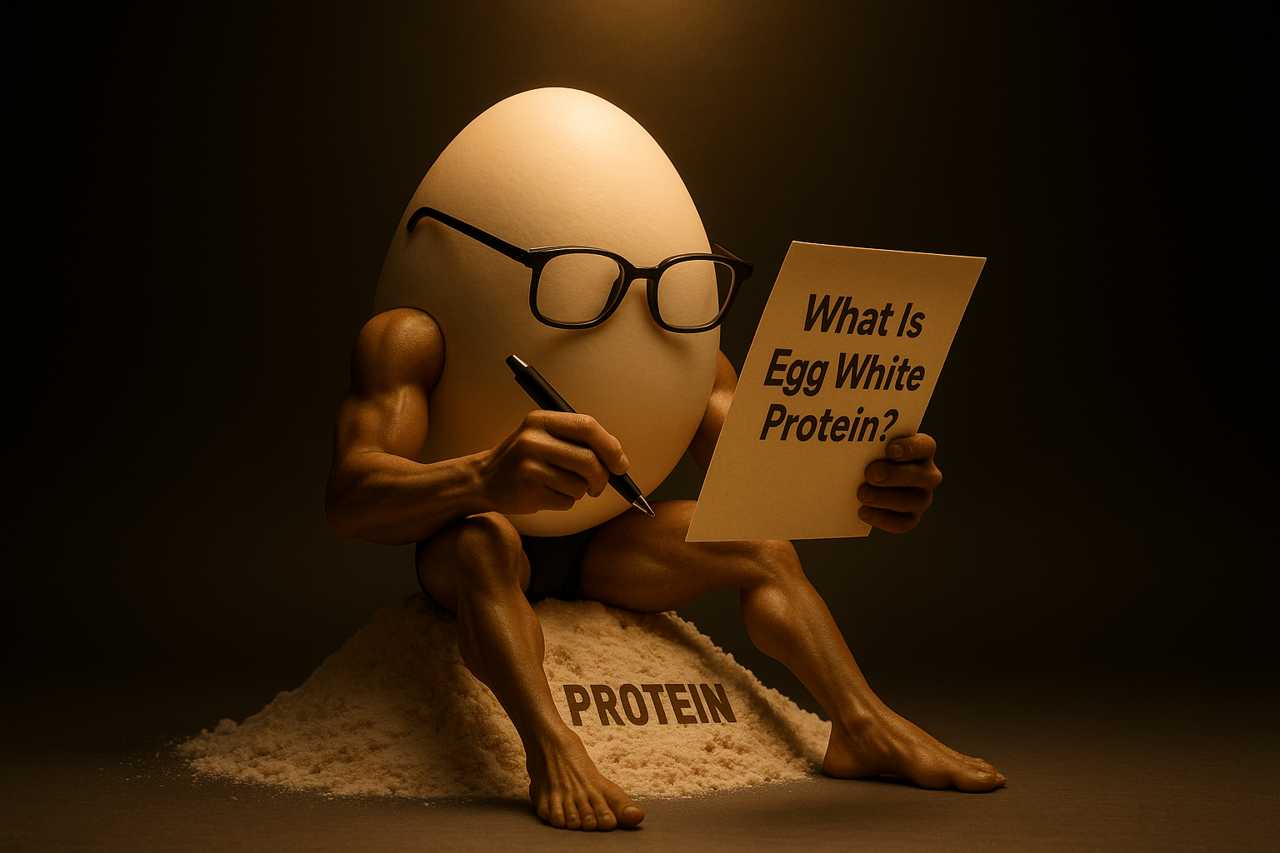
What-Is-Egg White-Protein

Egg white is the clear, colorless part of the egg surrounding the yolk. It’s mostly made of water (about 88%), and the remaining ~10% is protein with virtually no fat or cholesterol. Interestingly, about 56% of all the egg’s protein is found in the white.

The main proteins in egg white include albumin and several other high-quality proteins. When we say “high-quality,” we mean the human body can use them very efficiently. Egg white protein is one of the most complete natural proteins, containing all essential amino acids and being highly digestible. It actually has one of the highest biological values and digestibility scores among all proteins.

So when we talk about egg white protein powder, we mean a powder made from this nutrient-dense part of the egg.

Scientific and Health Benefits of Egg White ProteinScientific-and-Health-Benefits-of-Egg White-Protein
 

Now let’s get into the real question: What does this protein actually do for you? Tons of scientific research has investigated egg protein, and the results are impressive.

  • Muscle building and recovery:
    Egg white protein is excellent for muscle growth because it’s rich in branched-chain amino acids (BCAAs) like leucine. Research even shows that consuming ~20 g of egg protein after workouts can stimulate muscle protein synthesis similar to 20 g of whey protein.

  • Preventing muscle loss in aging:
    Muscle preservation isn’t just for athletes; everyone loses muscle with age (a condition called sarcopenia). Regular consumption of egg protein helps reduce muscle breakdown in older adults and supports strength and mobility.

  • Promotes satiety and weight management:
    If weight loss or appetite control is your goal, this protein is a great tool. Protein is naturally filling, but egg white protein stands out even more—helping you feel full for longer and reducing overall calorie intake.

  • Fat-free and heart-friendly:
    Unlike many animal proteins (like red meat or even egg yolk), egg whites contain no saturated fats or cholesterol. This makes it ideal for those concerned about heart health or cholesterol levels.

In short, egg white protein powder is a complete, high-quality protein that supports muscle building, prevents muscle loss, increases satiety, aids weight management, contains no fat or cholesterol, and even has some antimicrobial properties. Pretty great, right?

What It Is and How It’s Produced

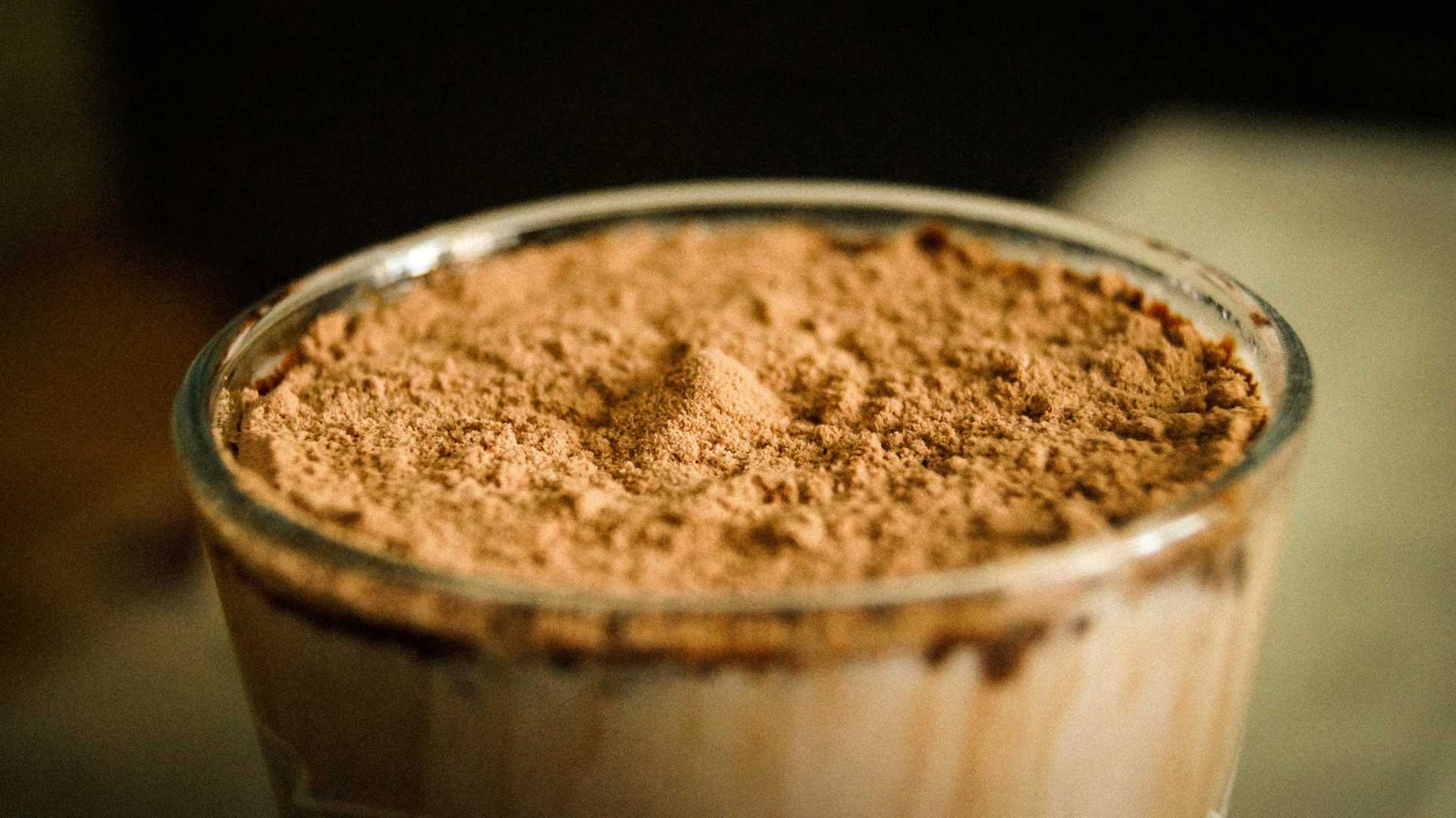
Egg white powder is simply dried egg whites turned into a stable, fine powder through industrial processes.

Production steps include:

  1. Eggs are cracked and separated.

  2. Liquid egg whites are filtered and pasteurized to kill bacteria such as Salmonella.

  3. The pasteurized liquid is dried using spray-drying, where the whites are sprayed into hot air, instantly removing moisture and turning them into powder.

The result is a white, fine powder that contains all the protein of egg whites—just without the water.

A major advantage is that egg white powder has a very long shelf life and requires no refrigeration, making it extremely convenient.

Comparison With Other Protein SourcesComparison-With Other-Protein-Sources
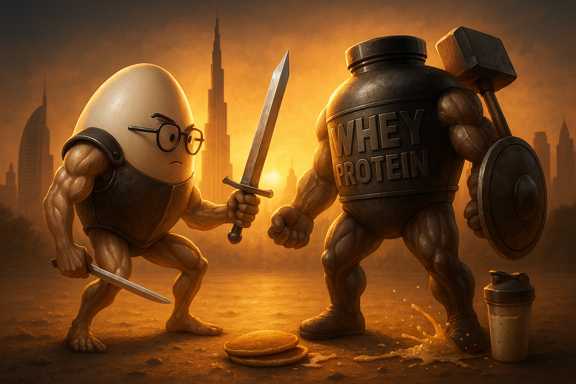
Let’s compare egg white protein to other popular protein supplements:

Egg White Protein vs Whey Protein

  • Digestive speed:
    Whey is fast-absorbing—great right after workouts. Egg white protein digests at a moderate speed, keeping you full longer and causing fewer digestive issues.

  • Lactose & sensitivities:
    Whey comes from dairy and may contain lactose, so it’s not ideal for people with lactose intolerance. Egg white protein is dairy-free and lactose-free, making it an excellent alternative.

Egg White Protein vs Casein

Casein digests very slowly (often used before bedtime). Egg white protein digests faster than casein but slower than whey—right in the middle. Again, egg white is lactose-free.

Egg White Protein vs Whole Eggs or Meat

Nothing replaces whole foods, but egg white powder is:

  • more convenient

  • higher in pure protein

  • free from cholesterol and fat

  • easier to store and use

  • great when you want high protein without extra calories

Popular Egg White Protein Powders Available in Dubai

Some egg white protein brands accessible in Dubai include:

Who Should Use This Supplement?

Who-Should-Use-This-Supplement

You may be wondering whether this supplement is right for you. Here are the people who benefit most from egg white protein powder:

  • Athletes and bodybuilders

  • People with lactose intolerance or dairy allergies

  • Those with sensitive digestion or bloating issues

  • People wanting a “clean” protein for weight loss

  • Cooks or anyone who enjoys healthy baking

  • Older adults or people recovering from illness

  • Lacto-ovo vegetarians

If you need more protein without added fat, calories, or dairy issues, egg white protein is an excellent choice. But if you’re allergic to eggs or a strict vegan, this supplement is not for you.

How to Use Egg White Protein Powder

One of its best features is how versatile it is:

  • Simple protein shake:
    Mix one scoop with water or milk (200–300 ml).

  • Add to smoothies:
    It blends well with fruit smoothies, chocolate-peanut butter blends, or green smoothies.

  • Add to daily meals:

    • Stir into cooked oatmeal

    • Mix with Greek yogurt

    • Add to mashed potatoes or soups at the end of cooking

  • Homemade snacks (protein balls or bars):
    Combine the powder with oats, nut butter, honey, cocoa, etc., to make high-protein energy bites or bars.

  • Baking & cooking:
    Add to pancake batter, waffles, cakes, or bread recipes to increase protein and improve texture.
    Rehydrated egg white powder can also be whipped into meringues, used in macarons, or used to coat foods before breading.

  • Egg substitute:
    Mix the powder with water to replace egg whites in recipes.

Safety and Precautions

Egg white protein is generally safe, but keep these in mind:

  • Allergies:
    Do not use if you have an egg allergy.

  • Kidney concerns:
    Healthy kidneys handle high-protein diets well, but if you have kidney issues, consult your doctor.

  • Buy from trusted brands:
    Always choose pasteurized, high-quality products.

  • Check ingredients:
    Some flavored powders may contain sweeteners or dairy derivatives.

  • Storage:
    Keep the powder in a cool, dry place and seal tightly.

Conclusion and Final Recommendation

In this article, we explored egg white protein powder from all angles—its composition, benefits, uses, comparisons, and safety guidelines. We saw that it’s a fantastic source of pure, high-quality protein that supports muscle building, preserves muscle during aging, aids weight control, and is gentle on digestion—all without the fats and cholesterol found in other animal proteins.

Thank you for staying with us!
Share your thoughts with us here.
Protein For Life is your trusted source for authentic, premium supplements in Dubai.


Supplements While Traveling: What Your Body Really Needs

travel-supplement

Should You Take Supplements While Traveling?

Should you take supplements while traveling, yes or no?

Whether we should consume supplements such as bodybuilding powders, vitamins, and other dietary aids during travel is one of the most common questions many people ask. That’s why the Protein For Life team has gathered useful information in this blog to address this topic.

Introduction

In general, we cannot give a single fixed answer to whether supplements should be taken during travel, since people’s physical conditions and the nature of their journeys differ. However, in general, supplements can support physical and mental well-being and play an effective role in this regard. So, the answer is yes. But which supplements are suitable for which individuals depends on the type of travel and their physical and mental conditions.

Headings

  • Why do we need supplements during travel?

  • How do I know which supplements to take while traveling?

  • Categories of different types of trips

  • Categories of people based on physical condition and age

Why Do We Need Supplements During Travel?

travel-supplement

Travel and adventure are exciting and enjoyable, but we need a healthy and energetic body to make the most of our time and fully enjoy the experience. So let’s take a look at the factors that make having supplements such as vitamins or protein bars important:

  • Long trips

  • Lower food quality

  • Weather conditions and many other factors we will discuss later

  • Direct impact on your immune system, sleep, or digestion

  • Which supplements should you take while traveling?

  • Supplements that are essential for everyone while traveling

  • Final thoughts

How Do I Know Which Supplements to Take While Traveling?

Choosing the right supplement for travel cannot be limited to a general recommendation, because every individual’s needs are different. To understand which supplement is necessary for your body during a trip, you should consider a few simple but important steps:

  • Assess your physical condition

  • Consider the type of travel

  • Review your diet during the trip

  • Consult with your doctor or coach

  • Listen to your body

Categories of Different Types of Trips

trips

  • Short leisure trips:
    In short and recreational trips, since facilities like hotels and restaurants are available and physical activity is moderate, there’s usually no special need for supplements.

  • Business trips:
    In business trips, conditions like limited time, stress, workload, and irregular meals make the need for supplements more noticeable.

  • Sports trips (competition, training camp, or trips with intense exercise):
    Athletes need quick recovery and sustained energy. Another factor is that access to professional food is often limited.

  • Adventure/Nature trips (hiking, camping, desert or beach trips):
    Adventure travel has three main features that make supplements essential: high physical activity, limited food access, and most importantly, risk of dehydration.

Categories of People Based on Physical Condition and Ageage


  • Children and teenagers (6–18 years): Growing, high need for vitamins and minerals, possible nutritional deficiencies during travel.

  • Young and active adults (18–35 years): High energy, often athletic or physically active, sensitive to diet quality.

  • Less active adults (30–50 years): Busy with work, sedentary, travel stress, possible weakened immune system.

  • Seniors (50+ years): Reduced nutrient absorption, muscle and bone weakness, dehydration risk.

  • Professional athletes (any age): Maintain performance during travel, need for quick recovery.

  • Individuals with special conditions (treatments or dietary restrictions): Special diets (vegetarian, vegan), underlying conditions (diabetes, high blood pressure).

Here, we understood the different travel conditions for different groups. Now, depending on which group we belong to, which supplements should we use during travel?

Which Supplements Should You Take While Traveling?

Now consider which category you fall into, and then check the supplements that are suitable and necessary for you during travel.

Short Leisure Trips (1–4 days)short-trip


  • Children and teenagers: Effervescent Vitamin C
    Reason: Short trips usually involve changes in weather or exposure to new environments; Vitamin C boosts kids’ immune systems against colds.

  • Young athletes: High-fiber protein bar
    Reason: Since there’s usually no intense training, heavy recovery isn’t needed; a high-fiber protein bar helps maintain satiety and stable energy.

  • Less active adults: Magnesium
    Reason: Changes in sleep and prolonged sitting may cause muscle cramps. Magnesium helps relax muscles and improve sleep quality.

  • Seniors: Vitamin D drops or small capsules
    Reason: Seniors are more sensitive to sunlight; Vitamin D is essential for bones and immunity, even during short trips.

Business-Trips (Stress + Lack of Time)Business-Trips

  • Teenagers: Simple multivitamin
    Reason: Since business stress isn’t relevant to them, just a basic nutritional support is enough.

  • Young and adult travelers: Adaptogens like Ashwagandha or Ginseng
    Reason: Business travel is stressful. Adaptogens balance cortisol, increase focus, and boost mental energy.

  • Seniors: Omega-3
    Reason: Business trips mean prolonged sitting, sleep changes, and stress. Omega-3 supports circulation, memory, and heart health.

Sports Trips (Competition/Training Camp)travel-supplement


  • Teen athletes: Electrolyte powder
    Reason: Teens sweat more and dehydrate faster. Electrolytes help maintain water and mineral balance.

  • Young athletes: BCAA/EAA
    Reason: Essential for faster muscle recovery during intense training and preventing muscle breakdown.

  • Adult semi-professional athletes: Creatine
    Reason: If they take it regularly, stopping during travel can lower performance. Maintaining creatine intake helps sustain energy and power.

  • Active seniors: Light isolate protein
    Reason: Prevents muscle loss and supports recovery without straining the digestive system.

Adventure,-Nature-Trips (Hiking, Desert, Camping)Adventure,-Nature-Trips

  • Children and teenagers: Multivitamin with minerals
    Reason: Since nutrition is limited in outdoor trips, this prevents micronutrient deficiencies.

  • Young athletes: Glutamine
    Reason: Such physically demanding trips cause fatigue and immune weakness; glutamine supports both recovery and immunity.

  • Less active adults: Zinc
    Reason: Adventure trips can be more challenging for them; zinc supports immunity and body repair.

  • Seniors: L-Carnitine
    Reason: Boosts energy and endurance for light activities like walking or hiking.

Long Trips (More than 2 weeks)long-trip

  • Children and teenagers: Calcium + Vitamin D
    Reason: Dairy intake and sunlight exposure may be limited; this combo supports bone growth.

  • Young athletes: Sports multivitamin
    Reason: With irregular meals in long trips, this prevents micronutrient deficiencies.

  • Less active adults: Fiber (powder or tablets)
    Reason: Changes in diet during long trips often cause constipation; fiber supports digestion.

  • Seniors: Coenzyme Q10
    Reason: Supports heart health, cellular energy, and reduces travel fatigue.

Health-Focused Trips (Yoga, Retreat, Detox)Health-Focused-Trips

  • Teenagers: No supplements needed, just natural nutrition.

  • Young adults: Plant protein powder + Greens powder
    Reason: In line with the health-oriented trip, this combination provides detox support, steady energy, and plant-based nutrients.

  • Adults: Probiotics
    Reason: Diet changes in detox or yoga trips can disrupt gut balance; probiotics support digestion and nutrient absorption.

  • Seniors: Senior multivitamin + Vitamin B12
    Reason: Seniors are more prone to B12 deficiency, which affects energy, focus, and the nervous system.

Here we covered six types of trips for different age groups. But keep in mind that type of trip and age range are not the whole story. Many more factors, such as lab tests or consulting your doctor or fitness coach, can help determine the right support. However, there are supplements that can be useful for everyone during any type of trip.

Supplements That Are Essential for Everyone While Traveling

  • Daily multivitamin

  • Vitamin D

  • Protein (whey powder or protein bar)

  • Electrolytes (powder or tablets)

  • Vitamin C

  • Fiber (natural or supplement)

Final Thoughts

Sports powders, vitamins, and protein bars can help your body stay strong during travel and support your performance in challenging conditions. However, they cannot replace sleep, proper nutrition, or healthy habits. Finally, we have prepared articles emphasizing proper diet and nutrition during travel. Thank you very much for staying with us.

Healthy Eating on the Go: A Guide to Dining Out, Traveling, and More(Amber Charles Alexis)

15 Best Ways to Eat Healthy during Travel ( Becca)

Hydrate Electrolyte | Complete Guide to Hydration Supplement for Athletes in Dubai

Everything-We-Need to-Know-About-Hydrate-Electrolyte

Everything We Need to Know About Hydrate Electrolyte

Everything-We-Need to-Know-About-Hydrate-Electrolyte

Introduction

Have you ever experienced feeling tired, dizzy, or having muscle cramps after a tough workout or even a hot day in Dubai, despite drinking plenty of water?

The reason is simple: your body doesn’t just need water, it also needs electrolytes. This is where Hydrate Electrolyte comes into play, helping restore energy, hydration, and the balance of essential minerals in your body.

What is Hydrate Electrolyte?

Hydrate Electrolyte is a sports and wellness supplement that contains a combination of important minerals such as sodium, potassium, magnesium, and chloride. These elements are essential for:

  • Regulating energy levels

  • Preventing muscle cramps

  • Maintaining fluid balance in the body

  • Improving focus and performance

In fact, this supplement helps the body recover faster after heavy sweating (whether at the gym or in the heat of Dubai).

Benefits of Hydrate Electrolyte

Benefits

  1. Prevents Dehydration

    • During heat and exercise, the body loses a lot of water. Hydrate Electrolyte helps retain water in the cells.

  2. Maintains Electrolyte Balance

    • Without enough sodium and potassium, nerve signals are not transmitted properly. This supplement helps prevent fatigue and weakness.

  3. Enhances Athletic Performance

    • Muscles need electrolytes to function. Taking this supplement boosts strength and reduces the risk of cramps.

  4. Faster Recovery

    • After intense workouts or even illness, the body recovers faster.

  5. Sustainable Energy and Better Focus

    • Unlike energy drinks that only contain sugar, Hydrate Electrolyte provides real energy balance.

Who Should Take Hydrate Electrolyte?

Who Should Take Hydrate Electrolyte

  • Professional and semi-professional athletes

  • People doing heavy workouts in the gym

  • Those exercising outdoors in Dubai (such as at the beach or parks)

  • Individuals working in outdoor jobs (construction, long-distance driving)

  • Those needing quick recovery after illness or excessive sweating

Best Time to Take Hydrate Electrolyte

  • Before exercise: To prepare the body and prevent dehydration.

  • During exercise: For sustainable energy and maintaining electrolyte levels.

  • After exercise: For quick muscle recovery and avoiding fatigue.

 Note: Overconsumption is not recommended. This supplement is not a replacement for water but should be taken alongside it.

Comparison of Hydrate Electrolyte with Other Drinks

Feature Plain Water Energy Drink Hydrate Electrolyte
Hydration yes no yes
Electrolytes no no yes
High Sugar no yes no (depending on brand)
Recovery Support Limited no yes

Experience and Positive Feeling

Imagine after a tough workout, drinking a refreshing Hydrate Electrolyte with lemon or orange flavor. Instantly, you feel cool, energized, and refreshed, and very quickly notice your fatigue fading. This positive sensation is the main reason why this supplement is so popular among professional athletes, I have to say, if you’re looking for a taste, you should check out the variety of flavors from Per4m.

Check our bestsellers!

Price range: AED 8,00 through AED 72,00
This product has multiple variants. The options may be chosen on the product page
Price range: AED 95,00 through AED 149,00
This product has multiple variants. The options may be chosen on the product page
Price range: AED 129,00 through AED 279,00
This product has multiple variants. The options may be chosen on the product page
Original price was: AED 499,00.Current price is: AED 299,00.
Price range: AED 69,00 through AED 99,00
This product has multiple variants. The options may be chosen on the product page
Price range: AED 45,00 through AED 139,00
This product has multiple variants. The options may be chosen on the product page
Original price was: AED 199,00.Current price is: AED 148,00.
Original price was: AED 121,00.Current price is: AED 75,00.

Experience and Positive Feeling

Frequently Asked Questions (FAQ)

What is Hydrate Electrolyte?

A hydration supplement with essential minerals for body balance.

Is it suitable for everyone?

Yes, but people with kidney disease or high blood pressure should consult their doctor before use.

What’s the difference between Hydrate Electrolyte and BCAA?

BCAA focuses on muscle growth and recovery, while Hydrate Electrolyte focuses on water and mineral balance in the body. continue click

Which are the best Hydrate Electrolyte brands in Dubai?

Brands like Per4m, Applied Nutrition, and SIS are among the top choices.

Conclusion

In Dubai’s heat and with intense workouts, drinking water alone is not enough. The body needs electrolyte balance to perform at its best.

Hydrate Electrolyte not only prevents dehydration and fatigue but also gives you more energy and focus.

If you’re looking for fast recovery, better performance, and a real refreshing feeling, this supplement can be your best choice.

Steroids: A Comprehensive Guide for Athletes and Bodybuilding Enthusiasts

what-is-Steroids

What is Steroids and Everything You Need to Know Before Starting and After Finishing Their Usewhat-is-Steroids


what is Steroids! Today, steroid use has become very widespread and popular among athletes, and today’s magazine is for a precise understanding of this substance. What are steroids and should we abstain from steroid use or not?

In this magazine, what topics do we address:

  • What are steroids
  • Natural steroids in the human body
  • What are the main types of steroids
  • What do steroids do in the body
  • Steroids and bodybuilding
  • Side effects of anabolic steroids
  • Execution and technical points for a steroid cycle
  • What is a hormonal cleanup cycle
  • What does a steroid cleanup cycle look like?

What is Steroids?

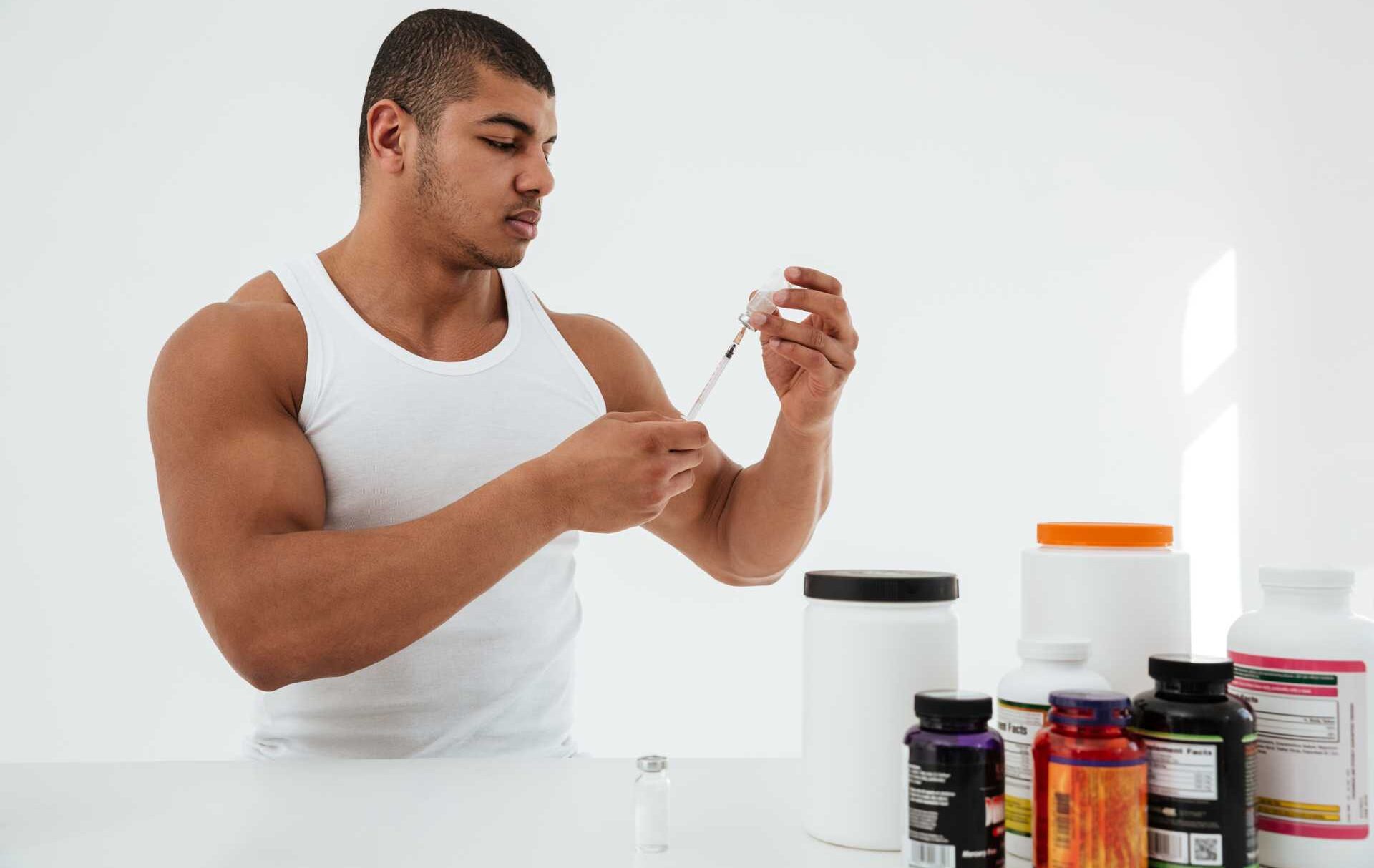
Steroids They are actually a type of lipid (fat) that are naturally found in the human body and other animals and plants. These compounds play vital and diverse roles in our body, from regulating metabolism and inflammatory processes to controlling water and salt balance and the development of sexual characteristics. However, when the word “steroid” is brought up, the meaning is often Anabolic-Androgenic Steroids (Anabolic-Androgenic Steroids – AAS), which are artificially made and are abused to increase muscle mass and improve athletic performance.

men

So, let’s look more closely at what categories steroids fall into:

Natural Steroids in the Human Body

Steroids play a vital role in the body and are divided into a few main groups:

Sex Hormones (Sex Steroids) :This group is responsible for the growth of sexual characteristics, fertility, and muscle structure.

  • Androgens: such as Testosterone (in men)
  • Estrogens: such as Estradiol (in women)
  • Progesterone: for pregnancy and the menstrual cycle

Adrenal Gland Hormones: These hormones play a role in regulating blood pressure, metabolism, and response to stress:

  • Glucocorticoids: Cortisol → controls blood sugar and is anti-inflammatory
  • Mineralocorticoids: Aldosterone → sodium and potassium balance

Other Steroids:

  • Vitamin D: a type of modified steroid
  • Bile acids: for fat digestion

What is the Main Types of Steroids?

Generally, two main categories of steroids are discussed in medicine and also among athletes:

Corticosteroids: This category of steroids has a function similar to the hormone cortisol, which is produced by the adrenal glands. Corticosteroids have very strong anti-inflammatory properties and are prescribed for the treatment of diseases such as asthma, eczema, rheumatoid arthritis, severe allergies, and autoimmune diseases. These drugs are available in the form of tablets, injections, sprays, and topical creams. Corticosteroids like:

  • Hydrocortisone
  • Hydrocortisone

Anabolic-Androgenic Steroids (AAS): These are synthetic versions of the male sex hormone, testosterone. The “anabolic” part means muscle-building and the “androgenic” part refers to masculine features (such as a deep voice and facial hair growth). This type of steroid has limited medical uses (for example, in the treatment of delayed puberty or muscle wasting from diseases like AIDS) but unfortunately is widely consumed illegally by some athletes to increase muscle strength and mass. Anabolic-Androgenics like:

  • Testosterone Enanthate
  • Testosterone Cypionate
  • Sustanon 250

Now, if I want to briefly say what steroids do in the body, I should refer to the continuation of the article:

What Do Steroids Do in the Body?

  • Regulating the metabolism of fat, protein, and sugar
  • Controlling the immune system
  • Developing sexual characteristics
  • Increasing muscle strength (in case of unnatural use)
  • Regulating water and electrolytes

Steroids and Bodybuilding

Steroid-and-Bodybuilding

We have reached the point where this substance is popular and there is a lot of discussion about it. The first question that comes to mind with steroids among bodybuilders is why do bodybuilders use steroids? I must say that Anabolic steroids are used in sports to increase muscle mass and strength. The mechanism of action:

  • Increasing protein synthesis in muscles
  • Decreasing protein breakdown
  • Positive nitrogen retention

Result: Rapid muscle growth, increased strength, but with severe side effects

What Are the Side Effects of Anabolic Steroids? (Illegal use)

  • Liver problems (Hepatotoxic)
  • Increased LDL, decreased HDL: risk of heart attack
  • High blood pressure
  • Infertility: due to decreased LH and FSH
  • Testicular atrophy in men
  • Mood swings, aggression
  • Acne, hair loss
  • In women: voice deepening, unwanted hair growth

Execution and Technical Points for a Steroid Cycle

Use should be done in a cycle with a set dose, duration, and rest period, under the supervision of a coach and a doctor. Before starting the cycle, the body must be healthy and ready; exercises before, during, and after the cycle must be planned separately. During use, an increase in the intake of protein, micronutrients, and supportive supplements is of special importance. After the end of the cycle, hormonal cleanup (PCT) is necessary so that the body returns to its natural production of testosterone.

What Is a Hormonal Cleanup Cycle?

Imagine that you have finished your steroid cycle and want to stop using steroids. Is doing this by just not using it anymore correct? No. The hormonal cleanup cycle, or Post Cycle Therapy (PCT), is one of the most important stages after using anabolic steroids. This cycle is designed to return the body’s natural hormone levels to their state before steroid use.

Why is a cleanup cycle necessary? If a cleanup is not done after a steroid cycle:

❌ The person will suffer from testosterone deficiency

❌ Problems such as depression, decreased libido, muscle wasting, rapid fat gain, and infertility will arise

What is the goal of PCT?

  • To stimulate the natural production of testosterone again
  • To prevent the loss of muscle and strength
  • To balance the levels of estrogen and progesterone
  • To protect mental and physical health

What Does a Steroid Cleanup Cycle Look Like?

What Does a Steroid Cleanup-Cycle-Look-Like?

This cycle lasts between 4 and 6 weeks depending on the dosage used. The main goal of this cycle is to restore the body’s natural hormonal balance and maintain the muscle gains achieved during the steroid cycle. A typical cleanup cycle usually includes the use of drugs that help restore hormonal balance. The two main drugs used in this cycle are:

  • Tamoxifen (Nolvadex): This drug is a Selective Estrogen Receptor Modulator (SERM). Nolvadex helps prevent gynecomastia by blocking estrogen receptors in specific tissues (such as breast tissue). It also helps increase natural testosterone production by stimulating the secretion of LH and FSH hormones from the pituitary gland.
  • Clomiphene Citrate (Clomid): Clomid is also a SERM and has a similar mechanism to Nolvadex. This drug also helps restore testosterone production by stimulating the secretion of LH and FSH hormones.

Example of a PCT protocol (hypothetical example):

  • Week 1 and 2: Nolvadex (40 mg per day) and Clomid (100 mg per day)
  • Week 3 and 4: Nolvadex (20 mg per day) and Clomid (50 mg per day)
  • Week 5 and 6 (optional): Nolvadex (10 mg per day)

You must take this cycle seriously from the beginning to the end under the supervision and consultation of a doctor.

Conclusion

As we reviewed in this article, steroids are natural and vital compounds in the body that play diverse roles from regulating metabolism and sexual characteristics to controlling inflammation. However, a distinction must be made between their natural and medicinal types. Corticosteroids, which have strong anti-inflammatory properties, are used to treat diseases such as asthma and arthritis. In contrast, Anabolic-Androgenic Steroids (AAS), which are synthetic versions of testosterone, are mainly abused in the world of bodybuilding and sports to rapidly increase muscle mass and strength. The use of AAS in sports, despite the rapid apparent results, is associated with serious and dangerous side effects, including liver damage, heart problems, infertility, and mood changes. For this reason, the consumption of these compounds without medical supervision and adherence to precise protocols is extremely dangerous. Also, to minimize damage and maintain the health of the body, especially after the end of the use cycle, it is completely essential to perform a hormonal cleanup cycle (PCT) under the supervision of a doctor. Finally, a correct understanding of the difference between types of steroids and the consequences of their illegal use can help athletes make informed decisions and not sacrifice their health for short-term and unpredictable results.for mor in formation chack protein for life

5 Vitamin and Mineral Supplements You Shouldn’t Take Together

Iron-and-Calcium

5 Vitamin and Mineral Supplements You Shouldn’t Take Together

Many questions arise about supplements: Are they harmful? Should we take them? Are they essential for our lives? Is long-term use okay? At Protein for Life, we answer all of these questions, but today’s discussion focuses on a different one: Which supplements should not be taken together? This is a very important topic. It’s true that supplements are designed and made to improve our health and wellness, but we must pay attention to how we use them—what dose we’re taking, if we’re even taking the right supplement for us, and which supplements we shouldn’t take together to avoid harming our bodies. In the following, I will introduce these supplements and explain why they shouldn’t be consumed together, so stay with me.

1. Iron and Calcium

Iron-and-Calcium

The first supplements you should avoid taking together are iron and calcium. Why? These two supplements compete with each other for absorption and effectiveness in our bodies, and they suppress one another. Calcium wins this struggle and reduces the absorption of iron in the body by 40 to 60 percent. This is especially important for people who suffer from iron-deficiency anemia and are taking iron supplements to compensate. If calcium is taken with their iron supplement, its effectiveness is severely reduced.

How to take iron and calcium together: It’s best to separate the consumption of iron and calcium by 3 to 4 hours. For example:

Taking iron on an empty stomach: Iron supplements are usually better absorbed on an empty stomach (in the morning, before breakfast). Taking calcium with food: Calcium supplements (especially calcium carbonate) are better taken with food or in the evening and at night. By observing this time gap, both minerals can be absorbed by the body effectively and to their maximum potential.

2. Iron and Zinc

Iron-and-Zinc

Taking iron and zinc supplements simultaneously can potentially reduce the absorption of both minerals, but this interaction is not as strong as the one between iron and calcium. The main reason for this interaction, like with calcium, is competition for absorption in the intestines.

Main reasons for the interaction: The main reason for the interaction between iron and zinc is that they use a similar transport system in the small intestine for absorption into the body. When both are consumed simultaneously and in high doses, they compete for the use of these transporters.

Effect of zinc on iron absorption: Studies show that high doses of zinc can interfere with iron absorption and reduce the effectiveness of iron supplements. Effect of iron on zinc absorption: The opposite is also true. High doses of iron can affect zinc absorption and reduce it. If you need both supplements, the best solution is to consult a doctor or pharmacist. They can provide a suitable timing for their consumption based on your health status and required dosage.

Recommended solution: To get better results, separate their consumption by 2 to 4 hours. It is suggested to take zinc with food and iron on an empty stomach.

3. Iron and Vitamin E

Which compounds can help maintain hormonal health

The issue of interaction between iron and vitamin E is a bit more complex than the interaction with calcium or zinc, and its mechanism is not fully clear. However, based on initial research and biological mechanisms, the main reasons why it is recommended not to take these two supplements together are:

Competition for absorption: Some evidence shows that they may interfere with each other’s absorption. This interference can disrupt the body’s absorption of vitamin E. Interference with antioxidant function: Iron can reduce the effectiveness of vitamin E in fighting oxidative stress. Effect on hemoglobin in premature infants: The simultaneous consumption of iron and vitamin E supplements has led to a weaker hemoglobin response to the iron supplement. Solution: Like with other interactions, the best way to ensure sufficient absorption of both substances is to take them with a time interval.

4. Vitamin B9 (Folic Acid) and Vitamin B12

Omega-3 Fatty Acids (Fish Oil): Anti-Inflammatory Ally

The main reason it’s recommended not to take folic acid (vitamin B9) and vitamin B12 together or in high doses is that it can mask the symptoms of a serious disease, which could lead to permanent nerve damage. To better understand this issue, we need to know the role of both vitamins in the body and the symptoms of their deficiency:

Vitamin B12: It is vital for two main functions: blood production and nerve function. Vitamin B9 (Folic Acid): It plays a role in the production and division of cells, especially red blood cells. Its deficiency also causes “megaloblastic anemia.” Where is the dangerous interaction?

The main risk: Taking high doses of folic acid hides the blood-related symptoms of vitamin B12 deficiency, while the nerve damage (which is irreversible) continues. The correct solution: To treat a vitamin B12 deficiency, you must take a B12 supplement itself. Taking high doses of folic acid on your own to treat anemia, without being sure of your body’s B12 status, is dangerous. Multivitamin supplements: In most standard multivitamins, the dosage of B12 and folic acid is balanced and usually does not cause a serious concern. This problem arises more often with the consumption of high-dose single supplements. Always consult a doctor before taking high-dose single-vitamin supplements, especially if you have symptoms of anemia, chronic fatigue, or nerve problems.

5. Whey Protein and Supplements Containing Calcium or Phosphorus

Reason for the interaction: Whey protein contains large amounts of phosphorus. Calcium and phosphorus compete with each other for absorption, and their balance in the body is very important. Effect of the interaction: Excessive consumption of phosphorus from whey protein can reduce calcium absorption. This interaction is especially important for people who are looking to strengthen their bones. Solution: You don’t need to stop taking whey protein. But if you are taking separate calcium or phosphorus supplements, consume them with a suitable time interval (at least 2 hours) from the whey protein.

Are Vitamins and Supplements Necessary During Pregnancy?

Are-vitamins-and-supplements-during-pregnancy-harmful-or-beneficial

Are vitamins and supplements during pregnancy harmful or beneficial?

Taking supplements during pregnancy is, in most cases, considered a necessary part of medical care and is usually recommended by obstetricians. They play a vital role in the growth and health of the fetus and help prevent anemia in the mother. We will go over these aspects in the following.

In this article, we will cover:

  • Are protein supplements safe during pregnancy?

  • Which supplements should not be taken during pregnancy?

  • Which supplements should be taken during pregnancy?

  • Should pregnancy supplements be continued during breastfeeding?

  • What is the best diet plan for pregnant and breastfeeding mothers?

Are-protein-supplements-safe-during-pregnancy?


Are protein supplements safe during pregnancy?

The best way to get protein is through natural foods like meat, chicken, fish, eggs, dairy, nuts, and legumes. We will later go over a diet that is suitable for both mother and fetus, but if the body’s needs are not met through food,
In short, consuming protein powders during pregnancy is not necessarily dangerous, but should be done with caution and under the supervision of a doctor to avoid any risks to the mother and baby. We’ll go into more detail on this:

Protein: A Vital Nutrient During Pregnancy

Protein is essential for the growth and development of the fetus, especially for the formation of critical tissues such as the brain, skin, and muscles. It also helps the mother’s body adapt, including the growth of breast and uterine tissue.

Why should protein powder consumption be approached with caution?

Are-protein-supplements-safe-during-pregnancy

In general, protein and protein consumption are beneficial and essential for the body, but the main concern lies in the additives and extra compounds, such as:

  • Artificial sweeteners: Some sweeteners like saccharin can cross the placenta and may be harmful to the fetus.

  • Unknown chemicals and fillers: Many supplements lack accurate labeling and may contain ingredients not approved for use during pregnancy.

  • Stimulants: Some protein powders contain stimulants like caffeine, which should be limited during pregnancy.

  • Heavy metals: In some cases, supplements may contain trace amounts of heavy metals due to the manufacturing process, which can be harmful to the fetus.

Conclusion

Protein powders can be a suitable option in situations where the mother cannot meet her protein needs through diet (such as in cases of severe nausea and vomiting). However,
To minimize risks related to protein supplement intake for both mother and fetus, it is recommended to follow these guidelines: prioritize organic and healthy protein-rich foods. If additional protein is needed, consult a doctor. Be sure to use high-quality, approved products and verify their authenticity.


Which supplements should NOT be taken during pregnancy?

Some supplements are banned or risky during pregnancy and should be avoided. The most important include:

  • Vitamin A (Retinol): Excess intake of Vitamin A can cause birth defects and liver damage in the mother.

  • Vitamin E: Some studies suggest that high doses of Vitamin E may increase the risk of premature rupture of membranes.

  • Herbal and medicinal supplements: Many herbal supplements are banned due to a lack of sufficient research on their safety during pregnancy.

  • Weight-loss and sports supplements: Some of these supplements may contain harmful or unapproved substances.

  • Supplements with unknown ingredients: Especially those not regulated by health authorities, as they may contain heavy metals, contaminants, or harmful additives.


Which supplements Should be taken during pregnancy?

1. Folic Acid

  • Why is it essential? Folic acid (or folate) plays a critical role in preventing serious birth defects in the brain and spinal cord (like neural tube defects).

  • When should it be taken? It’s best to start taking folic acid one to three months before pregnancy and continue until the end of the 16th week of pregnancy. If the pregnancy is unplanned, it should be started immediately upon finding out.

2. Iron

  • Why is it essential? The body’s iron needs nearly double during pregnancy. Iron is essential for red blood cell production, oxygen delivery to the fetus, and preventing maternal anemia. Severe anemia can increase the risk of preterm labor and low birth weight.

  • When should it be taken? Iron supplements are usually prescribed by the doctor starting in the second trimester.

3. Vitamin D

  • Why is it essential? This vitamin aids in calcium absorption and is vital for the development of bones and teeth in the fetus, and for maintaining maternal bone health. A deficiency can increase the risk of preeclampsia, gestational diabetes, and preterm birth.

  • When should it be taken? Due to the high prevalence of vitamin D deficiency, supplementation is usually recommended before and during pregnancy.

4. Calcium

  • Why is it essential? Calcium is crucial for forming strong bones and teeth in the fetus. If not enough calcium is consumed through diet, the mother’s body will pull it from her bones, potentially leading to reduced bone density.

  • When should it be taken? If dietary calcium intake is insufficient (e.g., from dairy), your doctor may prescribe a calcium supplement.

5. Iodine

  • Why is it essential? Iodine is vital for proper thyroid function in the mother and for the development of the baby’s nervous system and brain. Deficiency can lead to hypothyroidism in the fetus and developmental delays.

6. Omega-3

  • Why is it essential? Omega-3 fatty acids, especially DHA, are critical for the baby’s brain and vision development.

  • When should it be taken? It is beneficial throughout pregnancy. If you don’t eat fatty fish regularly, you may need to take a supplement.

Many doctors recommend prenatal multivitamins to ensure all nutrient needs are met. Again, always consult a physician before starting any supplement.


Should pregnancy supplements be continued during breastfeeding?

Yes, taking supplements during breastfeeding is just as important as during pregnancy. A mother’s body needs more nutrients to produce high-quality milk and maintain her own health. The supplements mentioned for pregnancy also support the mother’s health and the quality of breast milk during the postpartum period.


What is the best diet plan for pregnant and breastfeeding mothers?

What-is-the-best-diet-plan-for-pregnant-and-breastfeeding-mothers

The best diet plan for pregnant and breastfeeding mothers is a balanced and varied one that meets all the body’s nutritional needs for fetal development and quality milk production.

General principles of a healthy diet:

  1. Protein sources: Lean meat, chicken, fish, eggs, legumes (lentils, beans), nuts, and dairy

  2. Carbohydrates: Whole grain bread and cereals, brown rice, vegetables, and fruits

  3. Healthy fats: Avocados, nuts (walnuts, almonds), seeds (flaxseed, chia), and olive oil


Tips for each phase:

During pregnancy:

  • Managing morning sickness: Eat small, frequent meals and avoid fatty or spicy foods.

  • Staying hydrated: Drink at least 8 to 10 glasses of water per day.

  • Avoiding risky foods: Stay away from undercooked foods such as sushi or rare meats, as they may contain harmful bacteria.

During breastfeeding:

  • Increased calories: Your body needs more calories to produce milk. Try to include nutrient-dense, energy-rich foods in your main meals and snacks.

  • Increased fluids: Drink plenty of water and fluids to ensure sufficient milk supply.

  • Watch for baby’s reaction: Some foods (like cabbage, broccoli, onions) may cause gas in babies. If your baby becomes fussy after you eat a certain food, try eliminating it from your diet.

What Is Creatine? | Benefits, How to Use & Everything You Need to Know

Creatine Explained as a Complete Guide to Benefits, Uses, and Safety

WHAT-IS-CREATINE

What Is Creatine?

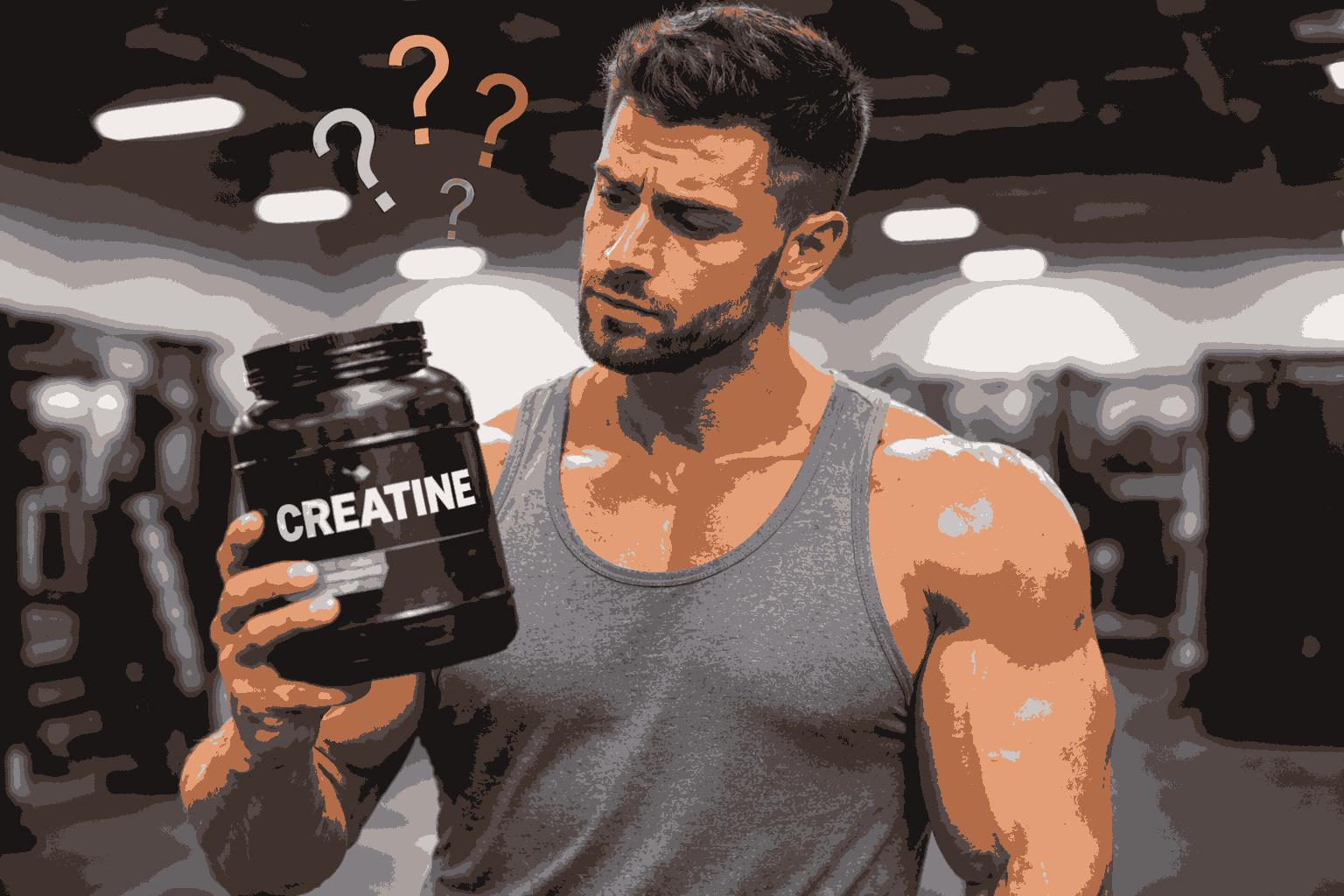
In the simplest terms, creatine is a compound made of three amino acids that supplies energy to your muscles and increases strength.
However, understanding what creatine is and how it works requires a deeper explanation so that you can become more familiar with topics such as:

  • What creatine is

  • How creatine works

  • Benefits & Side effects of creatine

  • When to take creatine

  • How and how much creatine to take

  • And related questions

  • Which creatine should I buy?

What Is Creatine From a Scientific Perspective?

Creatine is a natural compound made from three amino acids: arginine, glycine, and methionine, which is naturally produced in the human body (mainly in skeletal muscles).
About 95% of the body’s creatine is stored in muscles, while the remaining amount is found in the brain and other tissues.

The human body produces approximately 1 to 2 grams of creatine per day, and a similar amount can be obtained through foods such as red meat and seafood.

This supplement is used not only by bodybuilders but also by strength athletes, speed athletes, and even in certain therapeutic fields.

Types of Creatine

Creatine Supplements:

  • Creatine Monohydrate

  • Micronized Creatine

  • Creatine HCL

  • Creatine Ethyl Ester

  • Buffered Creatine

  • Creatine Nitrate

  • Liquid Creatine

  • Creatine Citrate
  • Creatine Malate
  • Creatine Phosphate

How Does Creatine Work in the Body?How-Does-Creatine-Work in-the-Body

How Creatine Works in the Body:

Rapid Energy Production (ATP)

During intense activities such as:

  • Weightlifting

  • Sprinting

  • HIIT workouts

Muscles rely on ATP as their primary energy source, which is depleted very quickly.
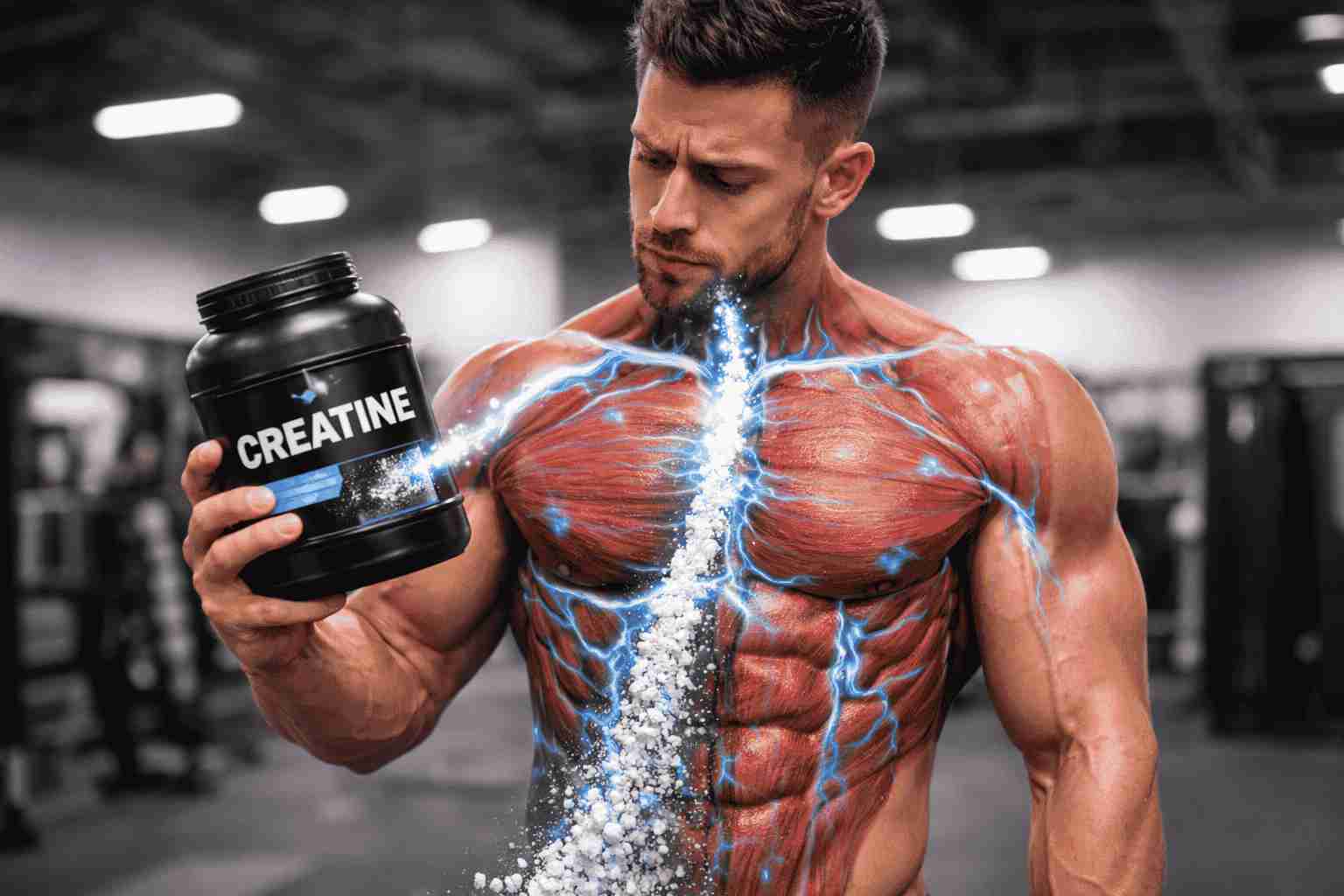
Creatine, by converting into phosphocreatine, helps regenerate ATP rapidly.

Result:

  • More repetitions

  • Heavier weights

  • Less energy loss

Benefits & Side effects of creatine

Benefits of Creatine

As explained above regarding how creatine works in the body, creatine offers many benefits for athletes, including:

  • Improved performance

  • Faster recovery

  • Reduced dehydration and muscle cramps

  • Increased muscle mass (due to water entering muscle cells)

  • Support for more intense activities

  • Reduced muscle damage

  • Support and protection of brain function

But Is Creatine Harmful to the Body?

Creatine is safe for healthy individuals when consumed at standard doses.
However, in rare cases, the following side effects may occur.

Possible Side Effects of Creatine:

  • Weight gain

  • Dizziness

  • Nausea and vomiting

  • Diarrhea

It is important to note that these symptoms are rare and uncommon, but if any of them occur:

  • Reduce your dosage

  • Ensure the authenticity of the product you are using

  • Consult a physician

When Should You Consult a Doctor?

When Should You Consult a Doctor

  • If you have kidney disease

  • If you are pregnant or breastfeeding

  • If you are taking specific medications

  • If you have a history of underlying medical conditions

When Should You Take Creatine?

Now that we know what creatine is and assume there are no medical issues, when is the best time to take it?

In reality, creatine does not have strict timing requirements, and its effectiveness depends more on consistent daily use.
However, the following timing is generally recommended:

Practical Recommendation:

  • Training days: Before or after workouts

  • Rest days: With meals


On workout days, research shows that it may be better
to take creatine shortly before or after you exercise, rather than long
before or after.


On rest days, it may be beneficial to take it with food, but the timing
is probably not as important as on exercise days.

How and How Much Creatine Should You Take?

The general recommendation for people who take a creatine supplement
is 3 to 5 grams per day.

Studies show that loading up on a higher dose of creatine offers no advantages;
it only places additional stress on the kidneys.

Which Creatine Is Best for Purchase and Use?

If you are planning to buy creatine and feel unsure about the available options, the best and most reliable choice for most people is creatine monohydrate (in powder form). This type of creatine has the strongest scientific support, proven effectiveness, and offers the best balance in terms of price and safety.

If you have a sensitive stomach, micronized creatine monohydrate can be a better option due to its improved solubility. Other forms of creatine are mainly produced for convenience and do not offer significant advantages over monohydrate.

To learn more about the different types of creatine, their differences, how to choose the best option, and proper usage guidelines, read our complete creatine guide on our dedicated page.

Additional Frequently Asked Questions About Creatine

Does creatine cause water retention under the skin?

No. Creatine draws water into muscle cells, not under the skin. This does not cause bloating or a puffy appearance.

Does creatine affect blood pressure?

In healthy individuals, standard creatine intake has not been shown to negatively affect blood pressure. People with cardiovascular conditions should consult a healthcare professional.

Do you need to drink more water when taking creatine?

Yes. Since creatine increases water uptake in muscle cells, staying well hydrated helps prevent dehydration and muscle cramps.

Can creatine be taken with caffeine or coffee?

Creatine can be taken with caffeine, but high caffeine intake may cause digestive discomfort in some individuals. Moderation is recommended.

Does creatine increase appetite?

Creatine does not directly increase appetite. However, improved training performance may lead to higher calorie needs.

Is creatine suitable for skinny or underweight individuals?

Yes. Creatine can help underweight individuals train harder and support muscle gain when combined with proper nutrition.

Is creatine safe for older adults?

When no underlying medical conditions are present and with medical approval, creatine may help maintain muscle strength and function in older adults.

Does creatine cause dependency?

No. Creatine does not create physical dependence. The body continues its natural creatine production after supplementation stops.

Does creatine affect sleep quality?

Creatine does not negatively impact sleep. Some users report improved sleep quality due to better recovery.

Can creatine be taken on an empty stomach?

Yes. Creatine can be taken on an empty stomach, though some people prefer taking it with food for better stomach comfort.

Is creatine beneficial for endurance athletes?

Creatine is most effective for strength and explosive activities, but it may also support short-duration endurance performance

Does the brand and quality of creatine matter?

Yes. Product purity, manufacturing standards, and third-party testing play an important role in both safety and effectiveness.

Can creatine be used during a fat-loss phase?

Yes. Creatine helps preserve strength and muscle mass during calorie restriction, even if body weight does not decrease.

Check our Featured Creatine Products!

Price range: AED 69,00 through AED 99,00
This product has multiple variants. The options may be chosen on the product page
Price range: AED 45,00 through AED 139,00
This product has multiple variants. The options may be chosen on the product page
AED 135,00
This product has multiple variants. The options may be chosen on the product page
Original price was: AED 96,00.Current price is: AED 83,00.
Price range: AED 55,00 through AED 110,00
This product has multiple variants. The options may be chosen on the product page
Price range: AED 119,00 through AED 130,00
This product has multiple variants. The options may be chosen on the product page

Final Summary

Creatine is one of the safest, most effective, and most scientifically supported sports supplements.
When used correctly, it can significantly improve performance, strength, muscle mass, and recovery.

Testosterone | Everything you need to know about this hormone

testosterone

What is Testosterone?

These days, testosterone has become a trendy and controversial topic on social media. Unfortunately, this has led to a surge in misinformation, steering many athletes off the right path in their fitness journey. In this article, we’ll explore what testosterone is, its effects on daily life and health, and clear up the most common misconceptions.

Testosterone is the primary sex hormone in males. It plays a vital role in male development and characteristics and is essential for processes like spermatogenesis (sperm production) and fertility.

Its effects can first be observed in a fetus around the 6th week of development. An imbalance—whether too high or too low—can lead to specific symptoms, which we will discuss. (Note: This doesn’t mean testosterone is absent in women — more on that later.)testosterone


What Does Testosterone Do in the Body?

Testosterone is responsible for the development of primary male sexual characteristics, including testicular descent, sperm production, growth of the penis and testicles, body hair growth, and increased sex drive.

It plays several key roles in the body, such as:

  • Growth of the penis and testicles
  • Deepening of the voice during puberty
  • Facial and pubic hair growth (and later in life, may contribute to baldness)
  • Muscle size and strength
  • Bone growth and density
  • Libido (sex drive)
  • Sperm production
  • Fetal development
  • Puberty
  • Maintaining adult male features

Testosterone in Teen Boys

Insufficient testosterone levels in teenage boys can lead to underdeveloped male features or delayed puberty. Symptoms may include:

  • Lack of height growth
  • Reduced or no development of body and pubic hair
  • Lack of penis, testicle, or prostate enlargement
  • Decreased or absent libido

Testosterone in Adult Men

In adult males, testosterone helps regulate secondary sexual characteristics, which are responsible for typical male traits. These include:

  • Sperm production
  • Stimulating red blood cell creation
  • Supporting bone and muscle strength
  • Contributing to mental well-being and vitality

Testosterone in Women

If you believed testosterone is only a male hormone, that’s not true. Testosterone is produced in women’s ovaries and adrenal glands. It’s one of several androgens (male sex hormones) present in the female body. A balance between testosterone and estrogen is crucial for healthy ovarian function.


How is Testosterone Regulated in the Body?

The body naturally controls testosterone levels. It typically peaks in the morning and decreases throughout the day. When testosterone levels rise, the release of gonadotropin-releasing hormone (GnRH) is suppressed to maintain balance.

Disruptions in the hypothalamus, pituitary gland, or gonads can interfere with testosterone regulation.


Can You Have Too Much Testosterone?

Naturally high testosterone levels are uncommon in men. Despite stereotypes — like road rage, hypersexuality, or aggression — these are often linked more to psychological issues than excess testosterone.


Risks of Synthetic Testosterone in Men

Using synthetic testosterone or anabolic steroids without medical supervision can lead to:

  • Sexual dysfunction
  • Heart problems
  • Enlarged prostate or digestive issues
  • Liver damage
  • Insomnia
  • Blood clots
  • Aggressive behavior

Risks of Synthetic Testosterone in Women

In women, excessive testosterone—especially from synthetic sources—can contribute to Polycystic Ovary Syndrome (PCOS), a common condition affecting 6–10% of women before menopause.


Normal Testosterone Levels by Age

Male Age Range Normal Testosterone Range (ng/dL) Female Age Range Normal Testosterone Range (ng/dL)
Under 1 year < 12 ng/dL Under 1 year < 21 ng/dL
1–5 years < 12 ng/dL 1–5 years < 12 ng/dL
6–10 years < 25 ng/dL 6–10 years < 25 ng/dL
11–15 years < 830 ng/dL 11–17 years < 79 ng/dL
16–17 years 102–1010 ng/dL 18–99 years < 40 ng/dL
18–99 years 193–824 ng/dL

Symptoms of Low Testosterone

Any organ or process that depends on testosterone can be affected by a deficiency. Common symptoms include:

  • Loss of body and facial hair
  • Muscle mass loss
  • Low libido, erectile dysfunction, smaller testicles, reduced sperm count, infertility
  • Enlarged breast tissue
  • Hot flashes
  • Mood swings, poor focus, depression
  • Hair thinning or loss

Who is Eligible for Testosterone Therapy?

men

Testosterone therapy may be considered for men experiencing:

  • Chronic fatigue
  • Low energy levels
  • Debilitating weakness
  • Depression
  • Sexual performance issues
  • Cognitive problems

Recommended Supplements for Testosterone Support

  • D-Aspartic Acid (DAA): An amino acid that helps increase hormone levels related to testosterone production.
  • DHEA (Dehydroepiandrosterone): A hormone precursor to testosterone; research results are mixed, so use with caution.
  • Ashwagandha and Tongkat Ali: Traditional herbs shown in some studies to enhance testosterone and performance.
  • Zinc: Zinc deficiency can lower testosterone. Supplementing may help maintain normal levels.
  • Magnesium: Plays a role in testosterone regulation, especially beneficial for sedentary or older individuals.
  • Omega-3: Helps regulate hormones and reduce inflammation, supporting healthy testosterone balance.

Final Word

You can naturally increase your testosterone levels through regular physical activity and a healthy diet. Our suggestion: Before considering medications, optimize your lifestyle. If you’re still not seeing results, consult a doctor to evaluate your hormone levels and determine if supplements or therapy are needed.


References


Posted in men

Which products women should definitely use and what they are for

Which products women should definitely use and what they are for

Which products should women definitely use, and what are they for?

Which products women should definitely use and what they are for

In the world of vitamins and supplements, there are many products suitable for women—whether athletes, homemakers, or working professionals. Women-specific supplements and vitamins differ from other products in several key ways, mostly related to physiological needs, hormones, and lifestyle:

Which nutrient compounds are used in women’s supplements and vitamins

women's-supplements

Compounds considered for women usually contain:

  • Iron: Women of reproductive age need more iron due to monthly blood loss.

  • Calcium and Vitamin D: More attention is given to maintaining bone health and preventing osteoporosis.

  • Vitamin B12

  • Folic acid and other B vitamins: Important for energy and nervous system health.

How beauty supplements and vitamins help rejuvenate and enhance women’s appearance

How beauty supplements and vitamins help rejuvenate and enhance women's appearance

Many women’s supplements contain biotin, collagen, and vitamin E to support the beauty of skin, hair, and nails. But to look more precisely:

1. Skin health and wrinkle reduction:

  • Vitamin C: Increases collagen synthesis and protects the skin from free radical damage.

  • Vitamin E: A powerful antioxidant that helps reduce skin inflammation and prevents premature aging.

  • Oral collagen: Taking collagen supplements can improve skin elasticity and softness and reduce wrinkles.

2. Hair strengthening and preventing hair loss

  • Biotin (Vitamin B7): Strengthens hair follicles and promotes natural hair growth.

  • Zinc: Prevents hair loss and maintains scalp health.

  • Vitamin D and Iron: Deficiency in these nutrients can lead to hair loss, so adequate intake is essential.

3. Nail health

  • Biotin and B-complex vitamins: Strengthen nails and prevent brittleness.

  • Omega-3: Helps maintain nail moisture and overall nail health.

4. Antioxidants and cell protection

  • Supplements containing antioxidants such as Vitamins C, E, and Selenium protect skin cells from environmental damage like pollution and UV exposure and slow the aging process.

5. Increasing vitality and energy

  • B vitamins and iron help energy production and make the skin and overall appearance look fresh and healthy.

Which compounds can help maintain hormonal health

Which-compounds can-help-maintain hormonal-health

Women’s hormonal health greatly affects energy, mood, skin, hair, and even body weight. Some natural and vitamin compounds can help balance hormones. The most important supplements and vitamins for women’s hormonal health include:

  • Vitamin D: One of the most important vitamins for women, helping regulate sex hormones (estrogen and progesterone), reproductive health, metabolism, and menstrual cycle regulation.

  • B vitamins: Vitamins B6, B12, B3 (niacin) are influential in the production, regulation, and balance of hormones, especially estrogen and progesterone.

  • Zinc: Important for thyroid hormone production, estrogen and progesterone regulation, and reducing PMS symptoms. Adequate zinc levels improve fertility and menstrual health.

  • Magnesium: Supplements or magnesium-rich foods like nuts and leafy vegetables help reduce stress, menstrual pain, support uterine health, and modulate female hormone function.

  • Omega-3: Omega-3 fatty acids help regulate body inflammation and improve sex hormone function. Omega-3 supplements or consumption of fatty fish, walnuts, and chia seeds are recommended.

  • Vitamin C: Supports adrenal glands, cortisol production (stress hormone), fertility, and ovarian health. Supplementation or fresh fruit intake is recommended.

  • Some compounds such as Vitamin B6, magnesium, and zinc can help balance hormones and reduce PMS symptoms.

  • Other vitamins like E and A also contribute.

Products designed to support women’s fertility

  • FemiBest, Eva Plus, Ovehill, Evazitol, Inopregna, Oofit, EvaHealth, Pregnazon: Their formulations typically include Vitamin D, folic acid, B vitamins, Omega-3, zinc, selenium, CoQ10, and antioxidants. Each helps regulate the menstrual cycle, improve egg quality, balance hormones, reduce PCOS symptoms, and support fetal growth.

  • OvaBoost supplement: Contains CoQ10, B vitamins, Vitamin C, zinc, selenium, supporting egg quality.

  • Fertile Aid for Women: Includes Vitamin D3, Vitamin E, Vitamin A, ginseng, iron; improves ovarian function and hormone regulation. Available in 90–120 tablet daily packs.

  • FertileCM: Contains folic acid, arginine, CoQ10, Vitamin E; improves ovulation, supports healthy fetal growth, and increases fertility chances.

General features of fertility products

Feature Product description
Hormone regulation Vitamin D, zinc, inositol, iron, gender-specific herbal ingredients
Improving egg and sperm quality Antioxidants, Omega-3, folic acid, selenium, CoQ10, B vitamins
Increasing sperm count, motility, and health Arginine, L-carnitine, zinc, CoQ10, Vitamins C and E
Reducing oxidative stress Antioxidant compounds such as selenium and Vitamins E and C
Supporting fetal growth Folic acid, B vitamins, iron
Free from serious side effects Many reputable products are free from serious side effects and produced under license. Dosage and composition differ for women compared to general supplements:

The amount and ratio of nutrients are adjusted to meet women’s needs without excessive intake. However, it is recommended that all supplements, vitamins, and medicines be used under medical supervision for better and safer results.

For more information about your body and to prevent common women’s health issues, I recommend reading the article :  What is a Urinary Tract Infection (UTI) | Medical and Home Treatments

Final note

With a healthy diet and high-quality supplements, combined with proper physical activity, you can maintain your health, beauty, and vitality at all stages of life—like a young woman. For medicines, vitamins, and supplements, always consult your doctor as much as possible. Contact us for a free consultation.

What is a Urinary Tract Infection (UTI) | Medical and Home Treatments

Home-Remedies

What is a Urinary Tract Infection (UTI) and What Causes It? | Medical and Home Treatments

What is a Urinary Tract Infection (UTI)

Urinary tract infection (UTI) occurs when pathogenic agents—mainly bacteria such as Escherichia coli, which naturally exist in the digestive system—enter the urinary tract through the urethra and, in most cases, reach the bladder and begin to multiply. (This disease is more common in women.)
It should be noted that the urinary system usually has defense mechanisms (such as the continuous flow of urine and the antimicrobial properties of the mucosa) that prevent infection, but in cases where the number of bacteria increases or the immune system is weakened, these agents grow and cause inflammation and damage to the bladder and urethral walls.
In this article, we want to talk about what exactly this disease is, what effects it has on the body, and what the treatment is.

Causes of Urinary Tract Infection

Urinary tract infections occur when bacteria enter the urinary tract through the urethra and multiply in the bladder. Normally, the urinary system has mechanisms to eliminate bacteria. But sometimes these mechanisms don’t work properly, which leads to infection.

In most cases, the infection affects the bladder and urethra, but there are different types of UTIs that I will mention below.


Types of Urinary Tract InfectionsTypes-of-Urinary-Tract-Infections

1. Bladder Infection (Cystitis)

This type of infection occurs in the bladder and is usually caused by the entry of bacteria (especially E. coli) from the digestive system into the bladder. Symptoms include burning sensation, frequent urination, pain and discomfort in the lower abdomen, and sometimes blood in the urine.

2. Urethral Infection (Urethritis)

In this case, the urethra becomes inflamed and infected. The main cause is the transmission of bacteria or pathogens from the anus or surrounding skin to the urethra. Symptoms often include burning sensation and discharge.

3. Kidney Infection (Pyelonephritis)

This is a more severe type of infection that reaches the kidneys. Symptoms include severe pain in the side and back, fever and chills, nausea, and sometimes vomiting.
Note: This type of infection requires immediate treatment to prevent serious kidney damage.

4. Ureter Infection (Ureteritis)

Sometimes the infection spreads to the ureters (the tubes connecting the kidneys to the bladder). This condition is less common but is considered one of the types of UTIs and should also be taken into account.

In general, urinary tract infection based on the affected area includes cystitis (bladder), urethritis (urethra), pyelonephritis (kidney), and ureteritis (ureters); although the first two types (bladder and urethra) are more common.


What Are the Risk Factors for UTIs?

What-Ar-the-Risk Factors-for-UTIs?


This disease is somewhat more common in women because:

The female urethra is shorter than the male’s, which allows bacteria to reach the bladder more easily.

Some women may get this disease multiple times in their lifetime, so knowing the causes and how to prevent it is vital and important. These factors include:

  • Sexual activity: Higher sexual activity and changing partners increase the risk of infection.

  • Contraceptive devices: Such as diaphragms and spermicidal gels, which may create an environment conducive to bacterial growth.

  • Female anatomy: The female urethra is shorter, making it easier for bacteria to reach the bladder.

  • Hormonal changes: Pregnancy and menopause cause changes in the urinary system and increase the risk of infection.

  • Previous UTI history: People who have had a UTI before are more likely to experience it again.

  • Incomplete bladder emptying: Holding urine too long or not emptying the bladder completely allows bacteria to grow.

  • Long-term use of catheters: This directly allows bacteria to enter the bladder.

  • Urinary tract obstructions: Such as kidney stones, enlarged prostate, or structural problems that disrupt normal urine flow.

  • Weakened immune system: Diseases like diabetes or taking immunosuppressive drugs weaken the body’s defense against infections.

  • Other factors: Such as poor personal hygiene and insufficient fluid intake.

These factors allow bacteria to enter and multiply in the urinary tract, leading to infection.


Ways to Prevent UTIsWays-to-Prevent-UTIs

  • Drink plenty of water to dilute and flush bacteria out of the urinary tract.

  • Maintain genital hygiene, including wiping from front to back after bowel movements.

  • Completely and promptly empty the bladder, especially after sexual intercourse, to expel any bacteria that may have entered.

  • Avoid using irritating products like deodorant sprays and scented powders in the genital area.

  • Wear loose-fitting cotton underwear to prevent moisture buildup.

  • Avoid tight clothing and non-breathable fabrics that trap moisture.

  • Postmenopausal women may use estrogen creams to maintain urinary tract health.

  • Consider changing contraceptive methods if needed.

  • In some cases, doctors may prescribe a low-dose antibiotic for prevention.

  • Take probiotics to improve vaginal and urinary tract flora and reduce infection risk.

By following these guidelines, you can significantly reduce your risk of developing a UTI.

(Note that the first condition for maintaining a healthy body is keeping your immune system strong through physical activity like regular exercise and taking care of your body.)
Now, if despite all precautions, you suspect a urinary tract infection, what should you do and how can you tell if it really is a UTI?


UTI Diagnosis :

As soon as you experience symptoms like burning during urination, frequent urination, or changes in urine smell or color, see a doctor. The doctor can determine the cause of burning or bad-smelling urine and begin appropriate treatment.
If you experience more severe symptoms like fever, back pain, or vomiting, seek immediate medical attention.

Tests and methods for diagnosing UTIs include:

  • Urine test to check for white blood cells, red blood cells, or bacteria

  • Urine culture to identify the type of bacteria causing the infection (this helps select the right medication)

  • Imaging tests like ultrasound, CT scan, or MRI

  • Cystoscopy to view the urethra and bladder


Treatments for Urinary Tract InfectionTreatments-for-Urinary-Tract-Infection

Medical Treatments Prescribed by Doctors:

  • Antibiotics
  • Supplemental and supportive medications
  • Pain relievers and analgesics :  are usually prescribed at the start of treatment to reduce bladder pain and burning.
  • Increased fluid intake : is recommended to help flush out bacteria quickly.
  • Severe infection treatment : In cases where the infection has spread to the kidneys or is severe, hospitalization and intravenous antibiotics may be required.

Home Remedies:Home-Remedies

  • Drink plenty of water

  • Garlic

  • D-mannose

  • Green tea

  • Parsley tea

  • Chamomile tea

  • Mint tea

  • Cranberry juice

  • Apple cider vinegar


What Supplements and Vitamins Help Prevent UTIs?

  • Omega-3 fatty acids: Fish oil supplements or cold-water fish consumption are beneficial due to anti-inflammatory properties and improved urinary tract health.

  • Inositol-6-phosphate (Phytic Acid): Found in seeds and whole grains; has antioxidant properties and supports kidney health.

  • Vitamin C: Ascorbic acid makes urine more acidic, making it harder for bacteria to grow.

  • Zinc: Plays an important role in strengthening the immune system and can help prevent infections.

  • Vitamin D: Supports the immune system and helps reduce the risk of chronic UTIs.

  • Ashwagandha or immune-boosting herbs: Some antioxidant and anti-inflammatory herbs can help protect bladder tissues and reduce inflammation.


Final Word

Urinary tract infection is a very common disease that often affects women. However, it can also impact men and children.
If you experience symptoms, see a urologist or infectious disease specialist immediately.

With proper physical activity and nutrition, make your body resistant to these kinds of infections, and most importantly, with mental well-being, you can make this journey easier and more beautiful for yourself.

Thank you for being with me in this article.
You can contact us for a free consultation and make us happy with your comments.

PROTEIN FOR LIFE – Trusted provider of top health brands